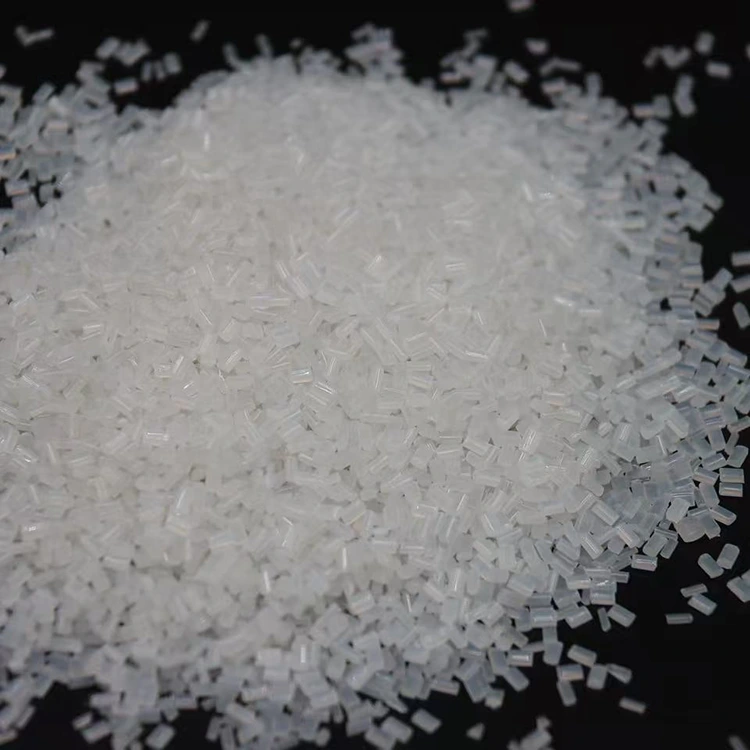
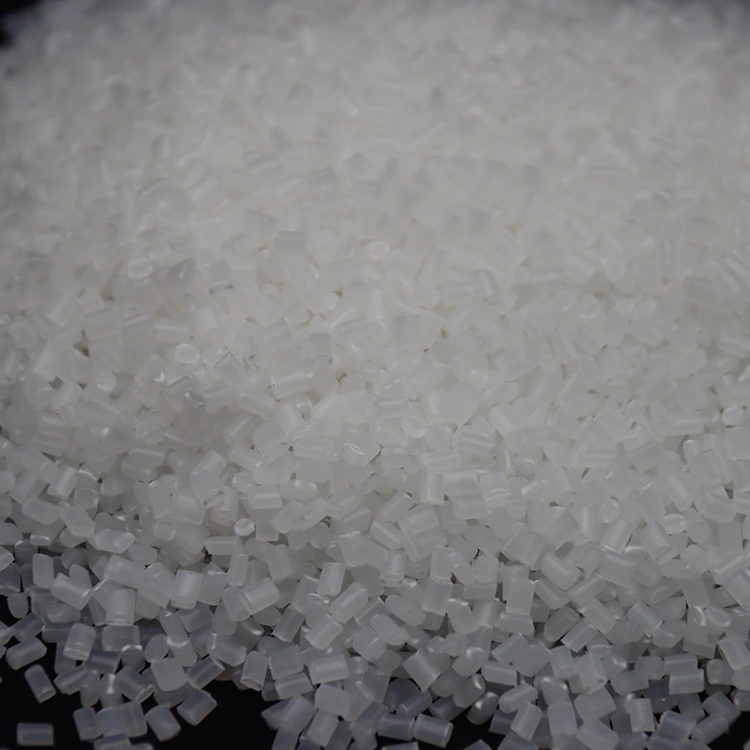
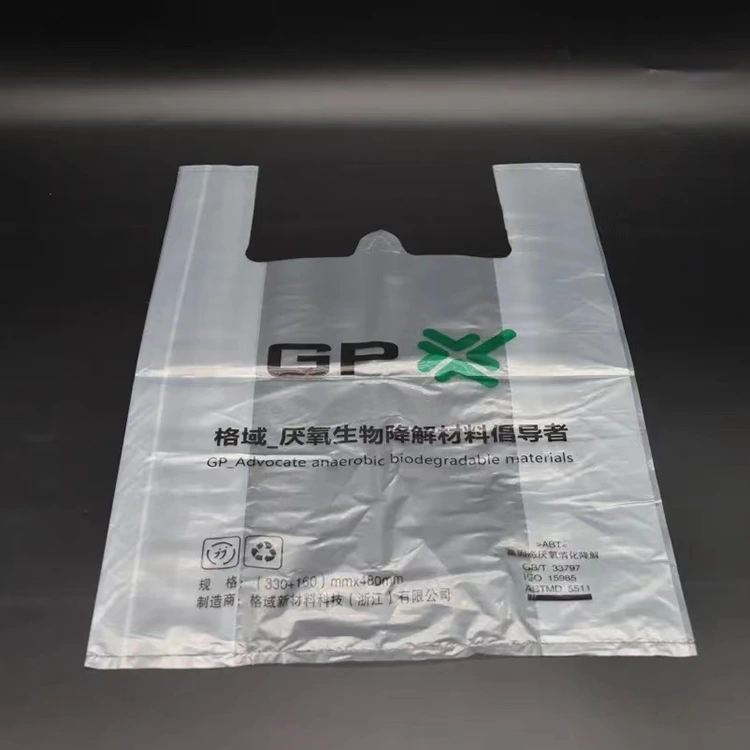
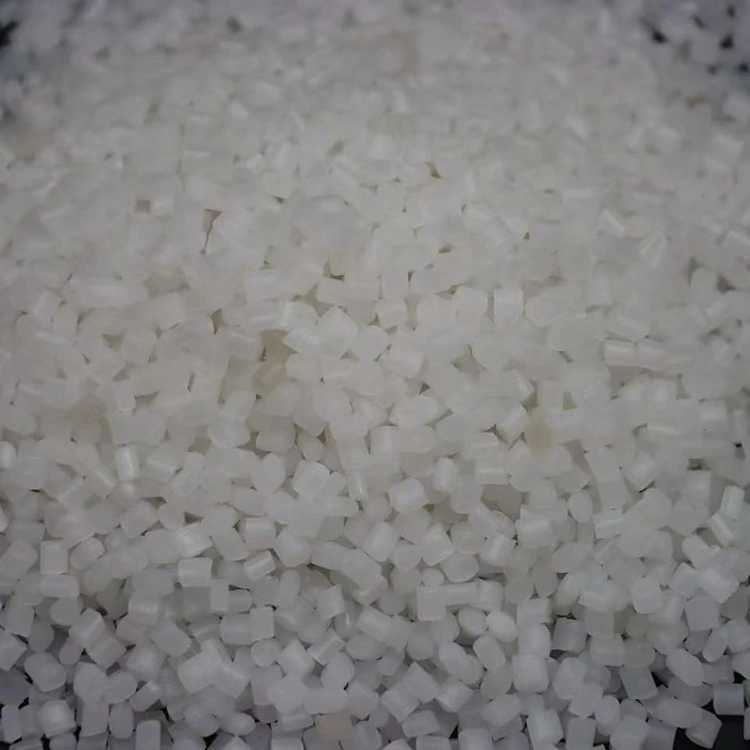
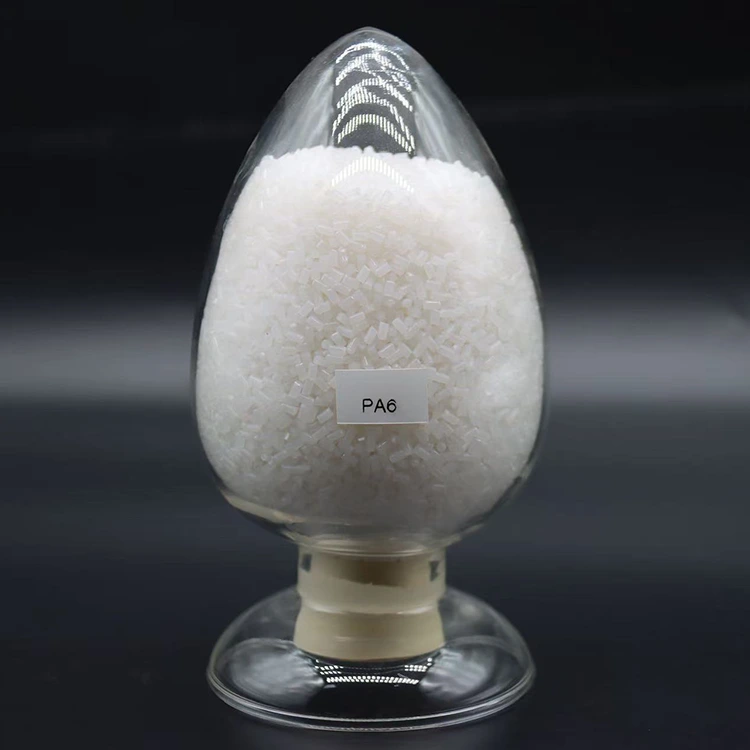
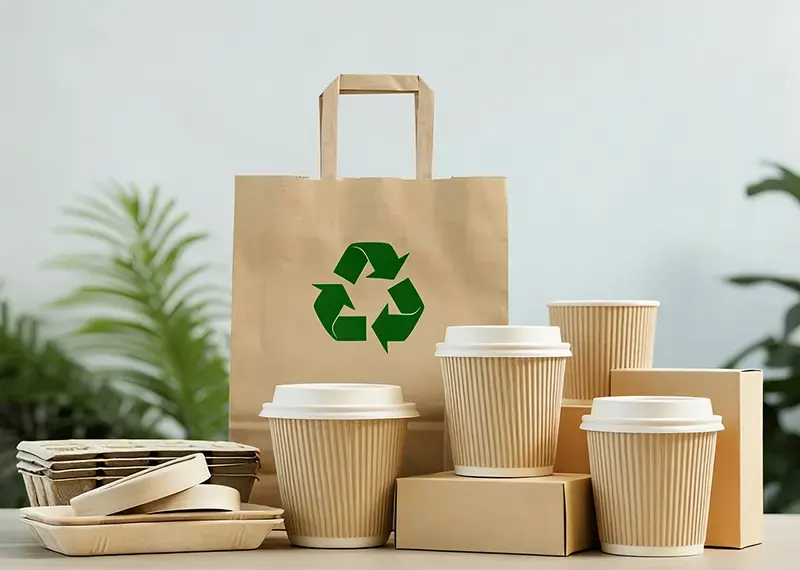
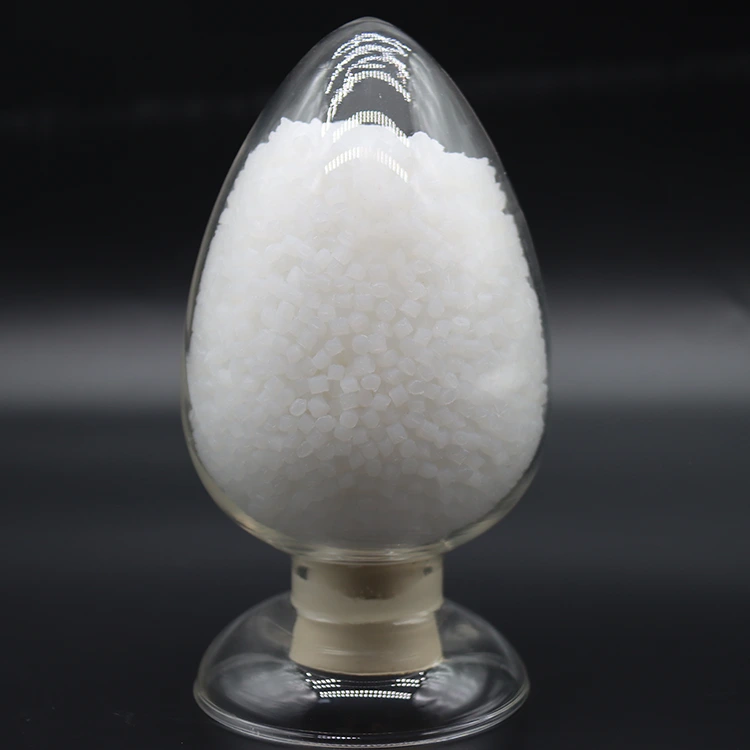
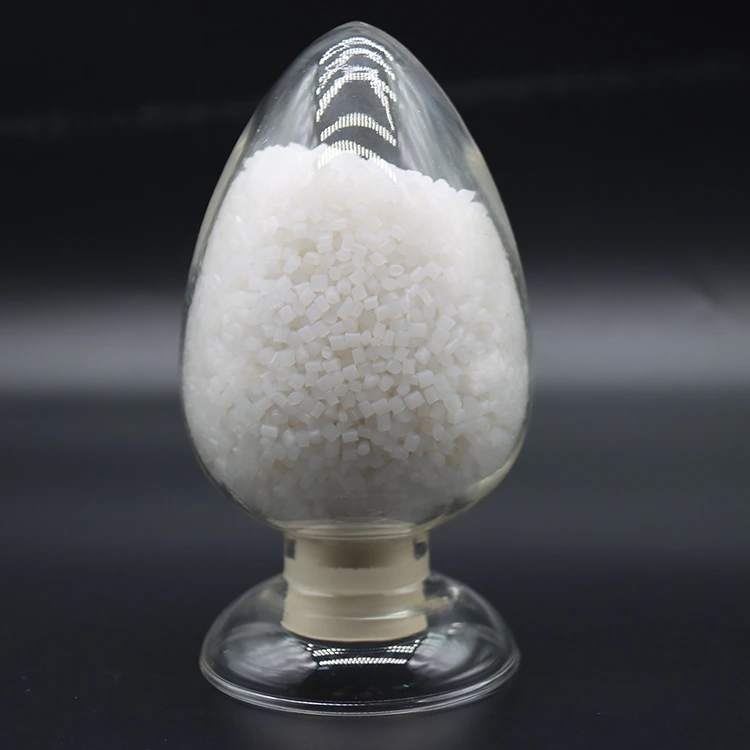
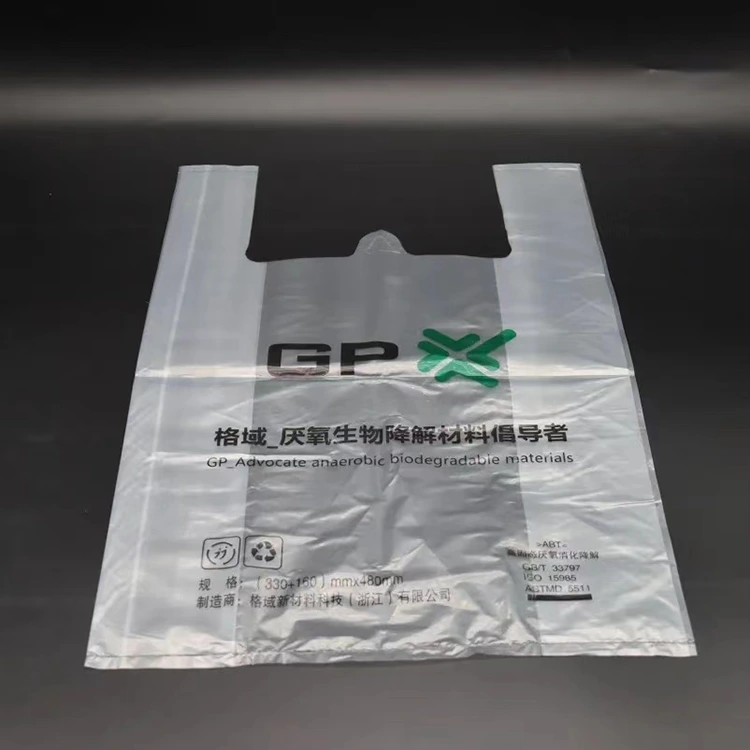
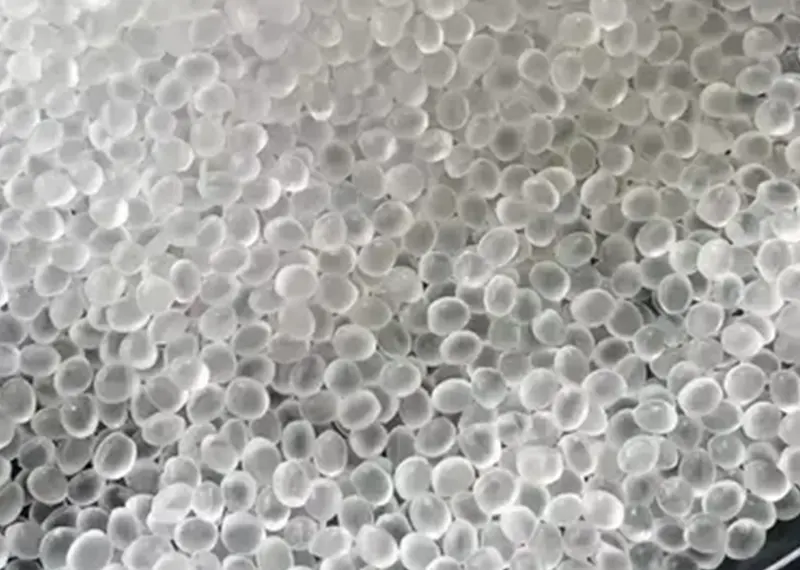
In the quest for sustainable manufacturing, recyclable raw material particles have emerged as a fundamental building block of the circular economy. Unlike traditional, linear "take-make-dispose" models, these particles are engineered for multiple lifecycles, designed to be reprocessed and remolded after their initial use without a significant loss in performance or quality.
These particles, which can be derived from post-consumer or post-industrial waste like plastics (e.g., PET, HDPE flakes), metals, or glass cullet, undergo sophisticated sorting, cleaning, and size-reduction processes. The result is a uniform, high-grade granulate or powder. Manufacturers then feed these particles directly back into production lines—such as injection molding or extrusion—to create new products. This dramatically reduces the need for virgin resources, lowers energy consumption compared to primary production, and diverts waste from landfills and incinerators.
The true power of recyclable raw material particles lies in their systemic impact. They transform waste from an endpoint liability into a valuable feedstock, creating a closed-loop system where materials circulate continuously. For industries from packaging to automotive, investing in and designing for these particles is no longer just an environmental choice; it is a strategic imperative for resource security, cost management, and future-proofing business models against tightening regulations on waste and carbon emissions. They are, quite literally, the granular foundation of a more resilient and responsible industrial system.
We use cookies to offer you a better browsing experience, analyze site traffic and personalize content. By using this site, you agree to our use of cookies.
Privacy Policy