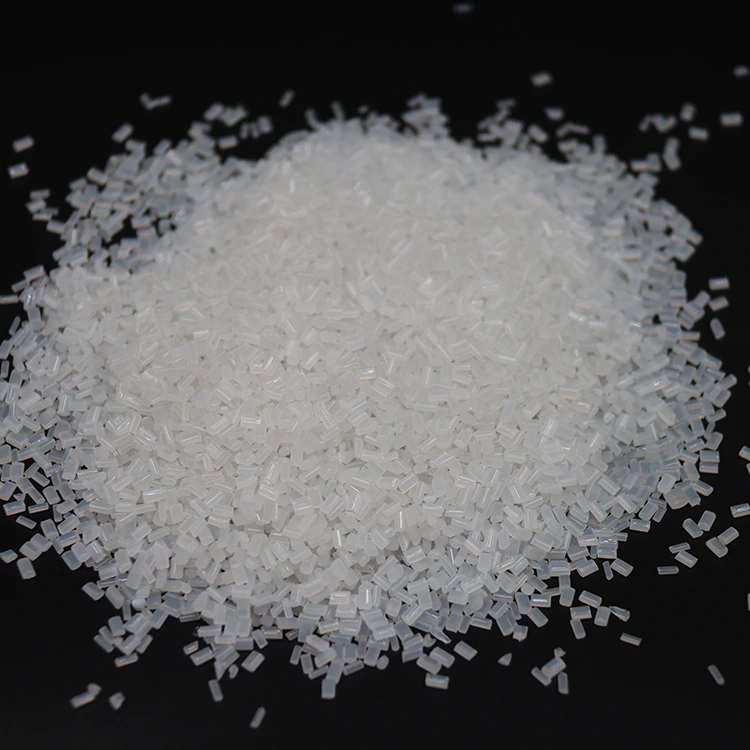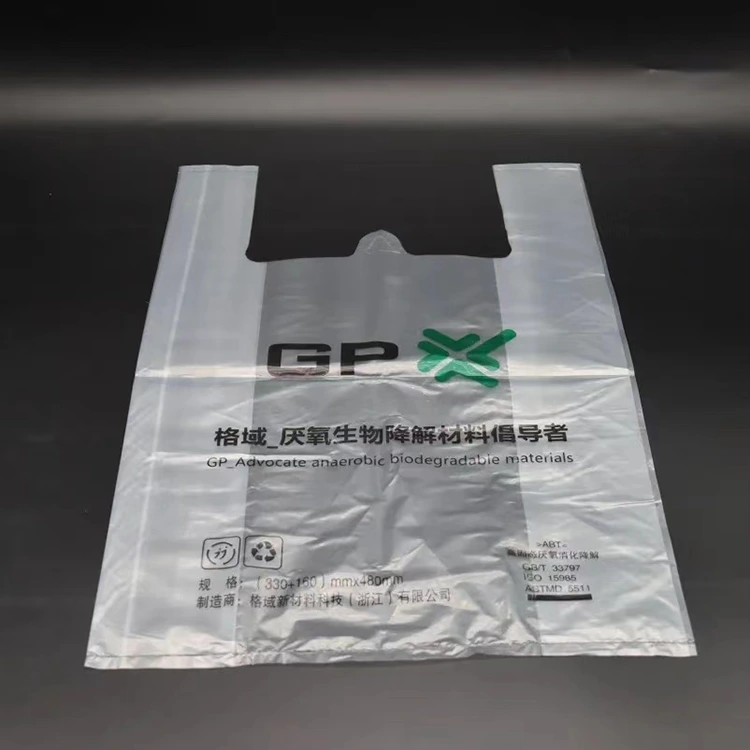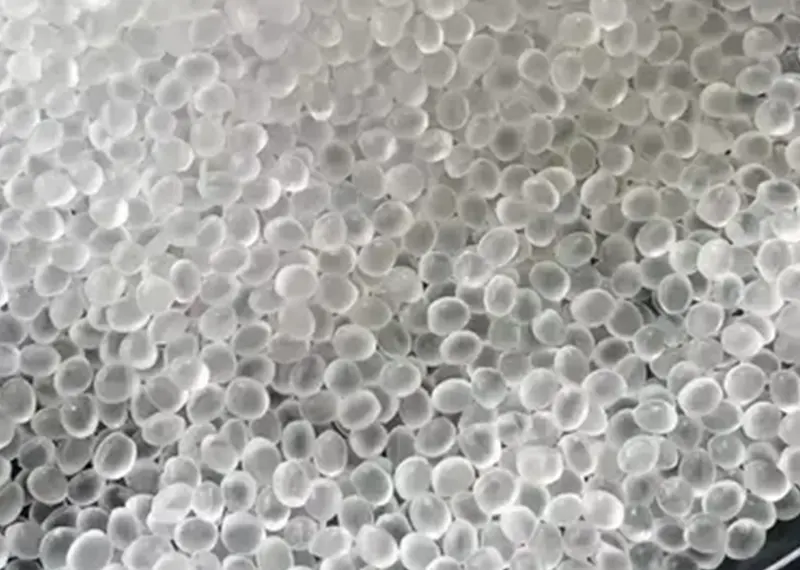
The rapid growth of biodegradable polymer particles is changing how industries think about disposable plastics, but replacing all conventional plastics remains a complex challenge involving performance, cost, and waste management systems.
For decades, conventional plastics have dominated single-use applications because they offer reliable strength, lightweight performance, moisture resistance, and easy processing. From food containers and packaging bags to agricultural films and disposable products, plastic materials have become deeply integrated into modern life.
However, increasing concerns about plastic waste have accelerated the search for alternative materials. Biodegradable polymer particles have emerged as one potential solution, offering new possibilities for reducing the long-term environmental impact of disposable plastic products.
The question facing the industry is not simply whether biodegradable materials can replace traditional plastics, but where and how they can provide the greatest value.
Traditional plastics such as polypropylene (PP), polyethylene (PE), and other petroleum-based polymers are widely used because of their stable physical properties. These advantages also make them resistant to natural degradation, creating challenges when products reach the end of their useful life.
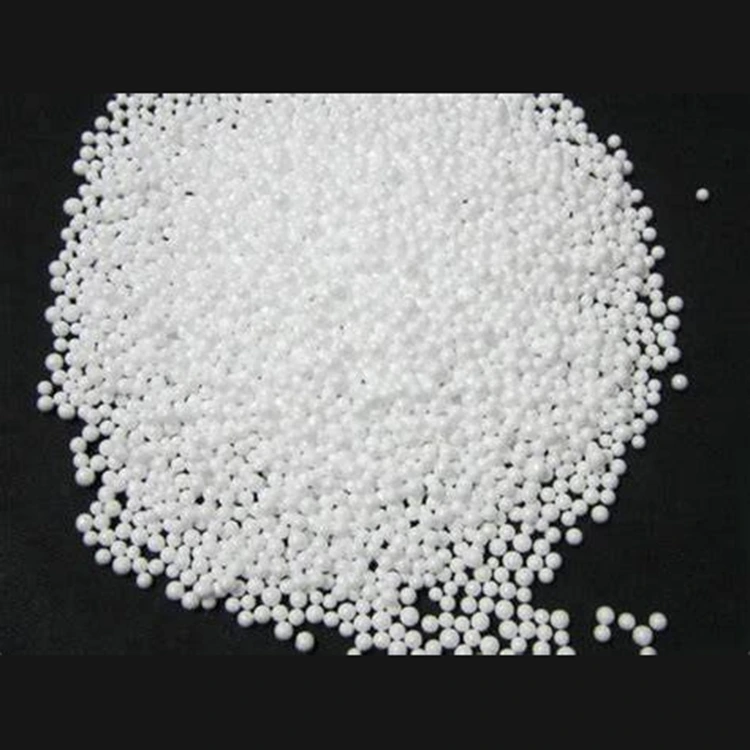
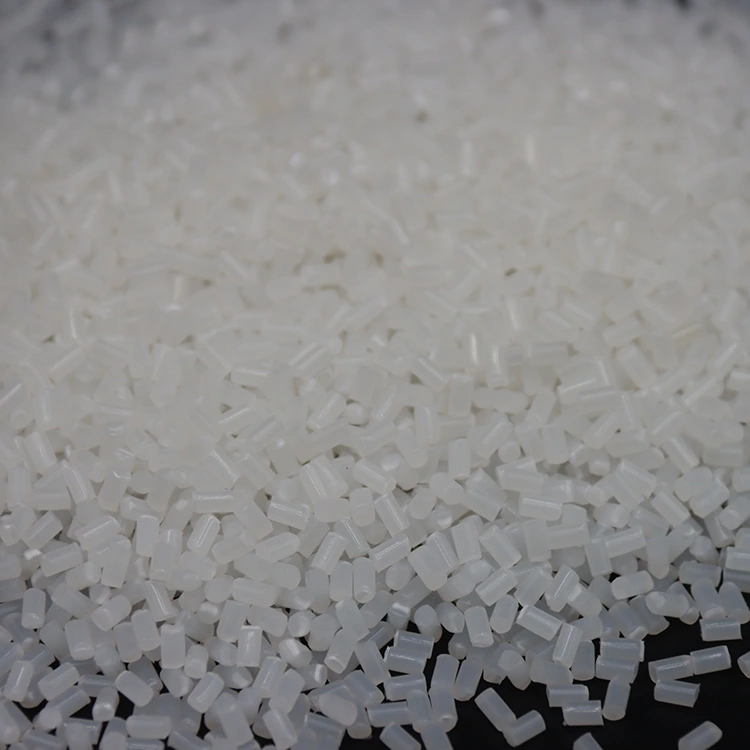
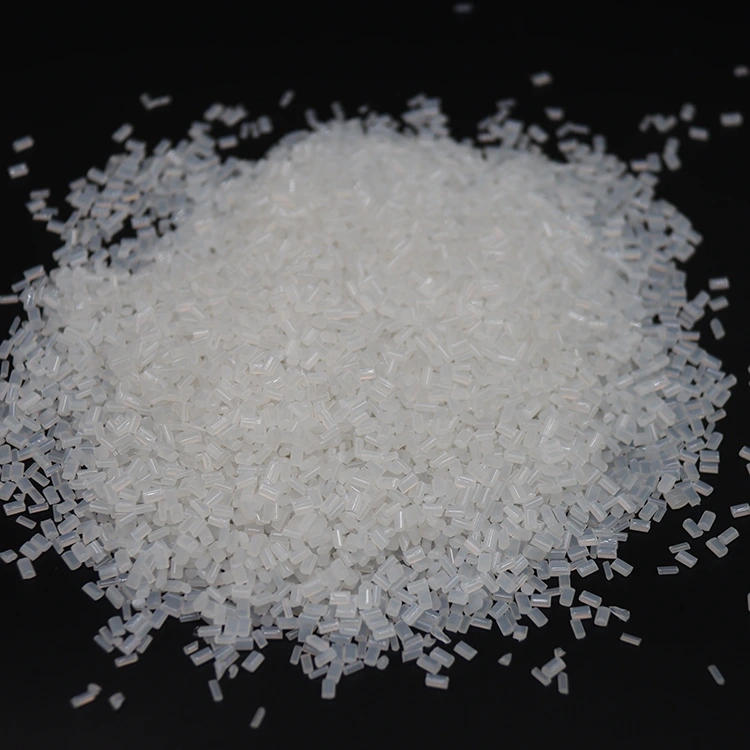
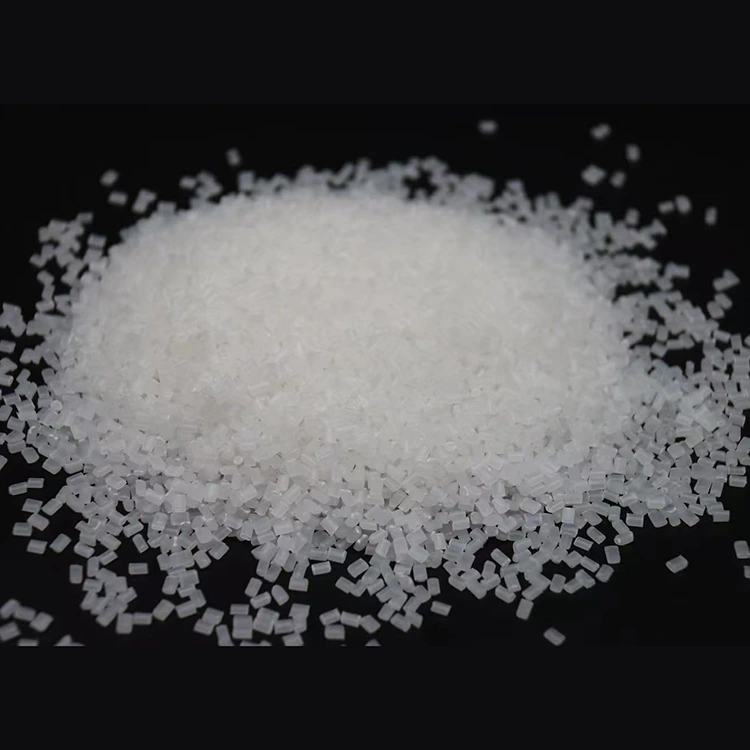
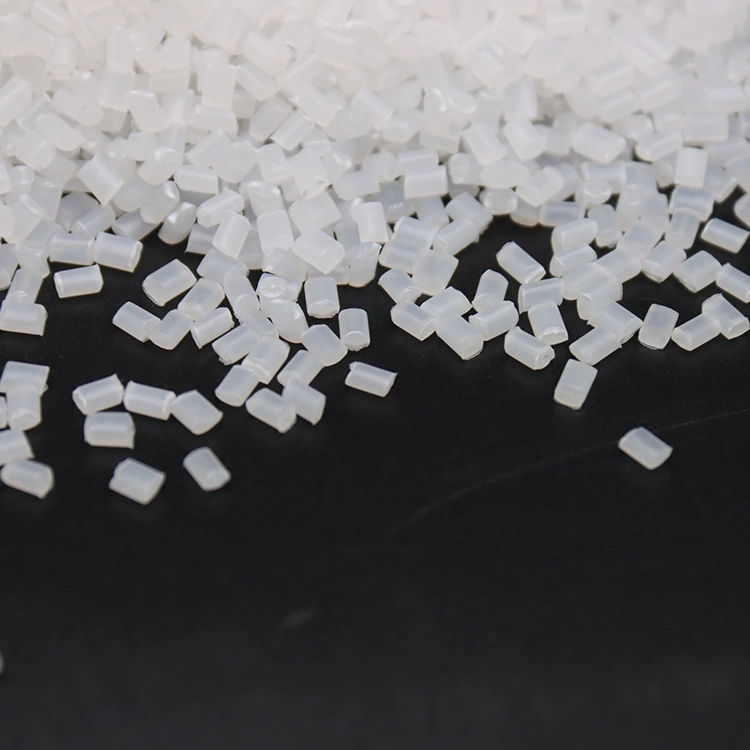
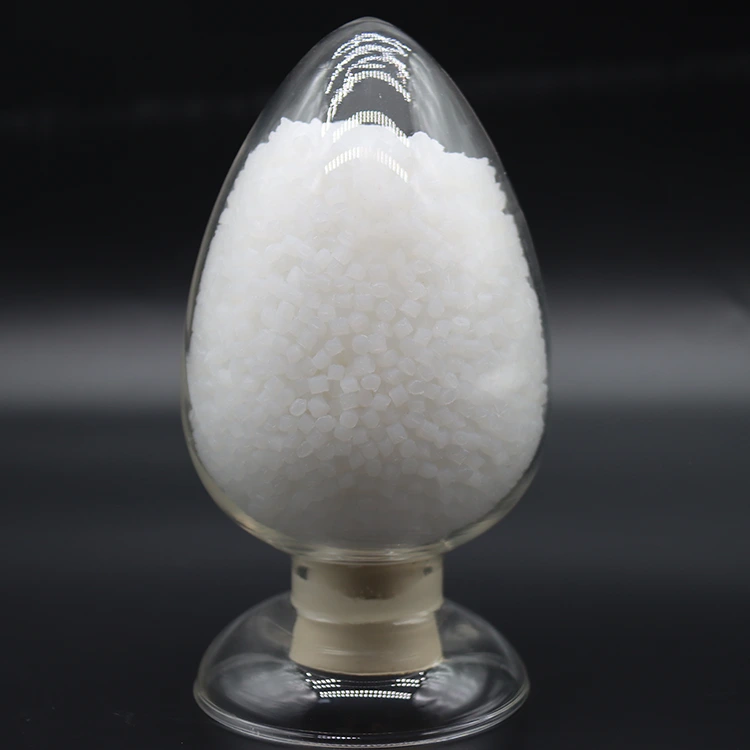
Biodegradable polymer particles are designed to provide similar processing characteristics while introducing improved environmental performance under suitable conditions.
These materials can be used as raw materials for producing various products, including:
| Application Area | Common Products |
|---|---|
| Food packaging | Containers, trays, disposable packaging |
| Express packaging | Packaging bags and protective materials |
| Agriculture | Mulch films and agricultural plastic products |
| Household use | Garbage bags and disposable items |
| Industrial applications | Flexible packaging and protective materials |
The goal is not only replacing plastic but developing materials that fit existing manufacturing processes while improving disposal outcomes.
Although biodegradable materials have developed quickly, a complete replacement of conventional plastics is unlikely in the short term.
Different applications have different requirements. Some products require extremely high durability, heat resistance, chemical stability, or long service life. In these areas, traditional plastics may continue to provide advantages.
For example, medical devices, automotive components, and long-life industrial products often require materials that remain stable for years. Biodegradable materials may not always be the most suitable option for these applications.
Single-use products, however, represent an area where biodegradable materials have greater potential because their service life is short and disposal challenges are more significant.
Single-use packaging creates a unique challenge. These products are often used for minutes or hours but may remain in the environment for a much longer period after disposal.
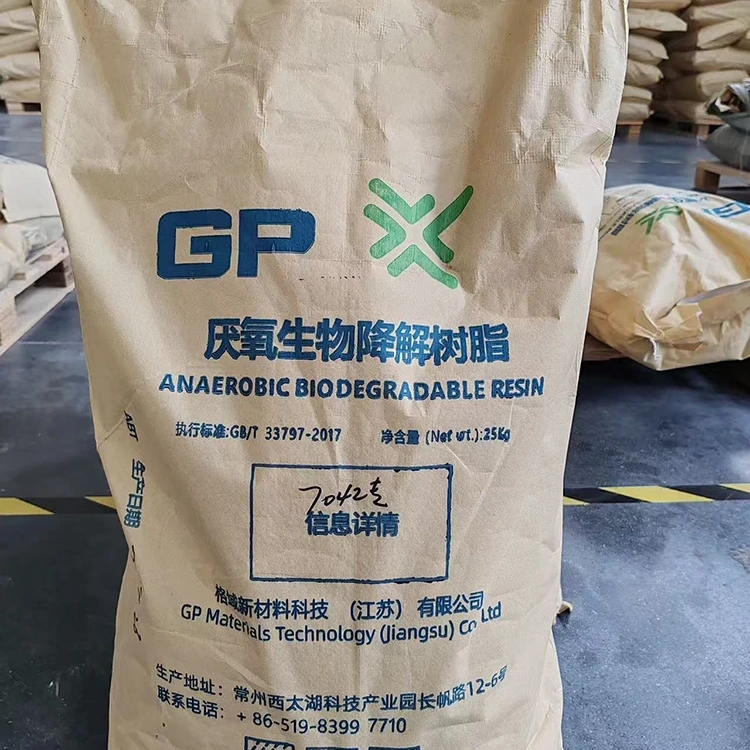
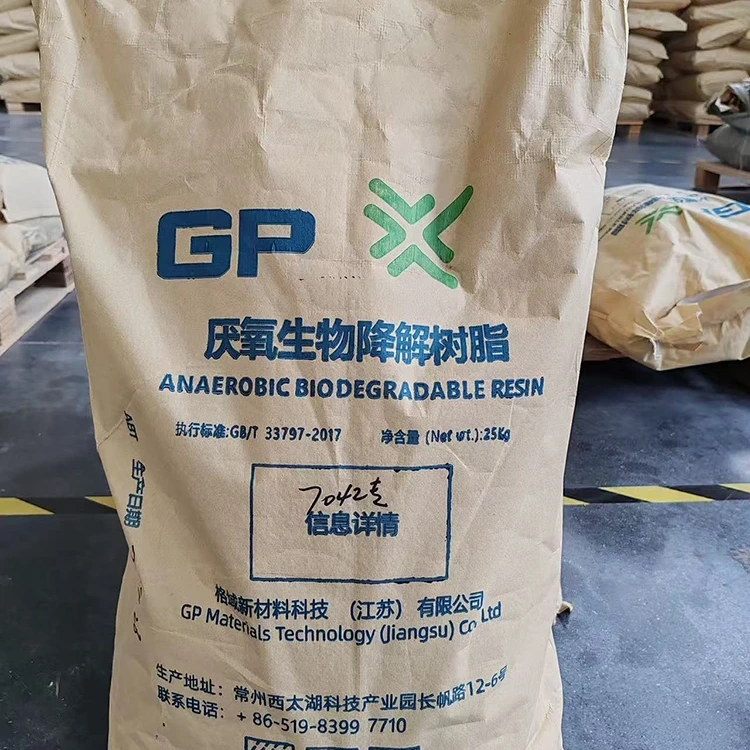
This has encouraged companies and researchers to explore solutions such as High-Anaerobic Biodegradable PP Raw Material, which focuses on improving the biodegradation potential of polypropylene-based materials under anaerobic conditions.
The development of these materials does not mean that every plastic product will disappear naturally after disposal. Instead, it represents an effort to create more environmentally responsible options for specific applications.
The future growth of biodegradable materials depends on several factors:
| Factor | Industry Consideration |
| Performance | Materials must meet strength, flexibility, and processing requirements |
| Cost | Production needs to remain economically practical |
| Disposal systems | Recycling and waste treatment infrastructure influence results |
| Standards | Clear testing methods are needed to evaluate biodegradation |
| Consumer demand | Sustainability expectations continue influencing product choices |
Without improvements in these areas, biodegradable materials may remain limited to certain applications.
GP Materials Technology (Jiangsu) Co., Ltd. is one company focusing on anaerobic biodegradable material research and industrial application. Located in Changzhou, Jiangsu Province, the company has developed technologies for biodegradable resin particles covering multiple polymer systems, including PP, PE, HDPE, LDPE, LLDPE, PVC, PET, and PA.
With a factory area of approximately 17,500 square meters and an annual production capacity of 50,000 tons of intermediates after the first phase construction, the company has established a production foundation supporting large-scale material development.
Through cooperation with East China University of Science and Technology, GP Materials Technology has also built a joint laboratory focused on advancing environmentally friendly material technologies from research to practical production.
The future of plastics is unlikely to be a simple transition from conventional materials to biodegradable alternatives. Instead, the industry is moving toward a more diversified material system where different plastics serve different purposes.
Conventional plastics may continue to play an important role in applications requiring long-term stability, while biodegradable materials may become increasingly common in disposable products where environmental considerations are more critical.
The development of biodegradable polymer particles reflects a broader change in how industries evaluate plastic materials. Performance, environmental impact, and end-of-life management are becoming equally important factors.
Rather than replacing all conventional plastics immediately, biodegradable technologies are expected to gradually expand into suitable markets and provide additional choices for sustainable product development.
As research continues, products based on High-Anaerobic Biodegradable PP Raw Material and other biodegradable resin technologies from GP Materials Technology (Jiangsu) Co., Ltd. represent part of the ongoing effort to create more adaptable and environmentally conscious solutions for future single-use applications.