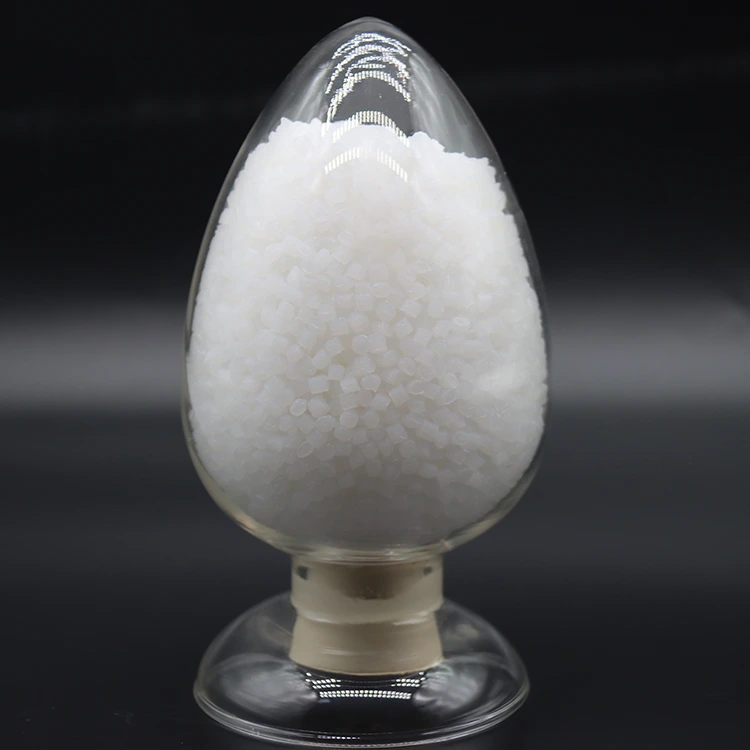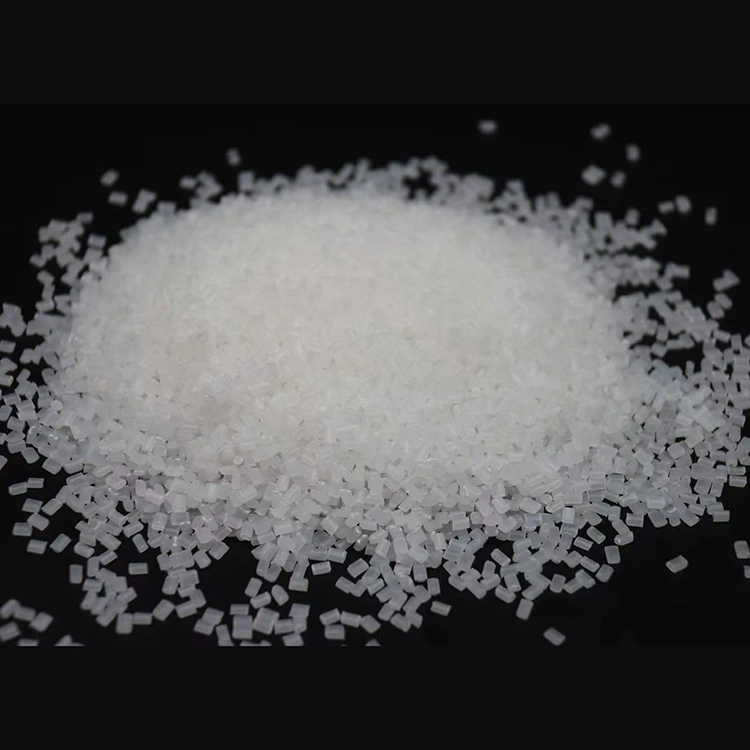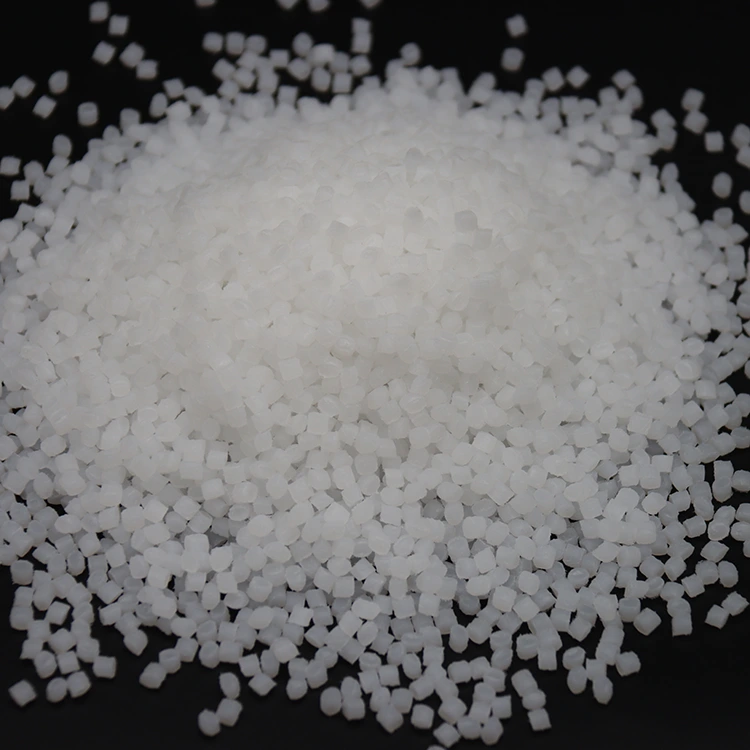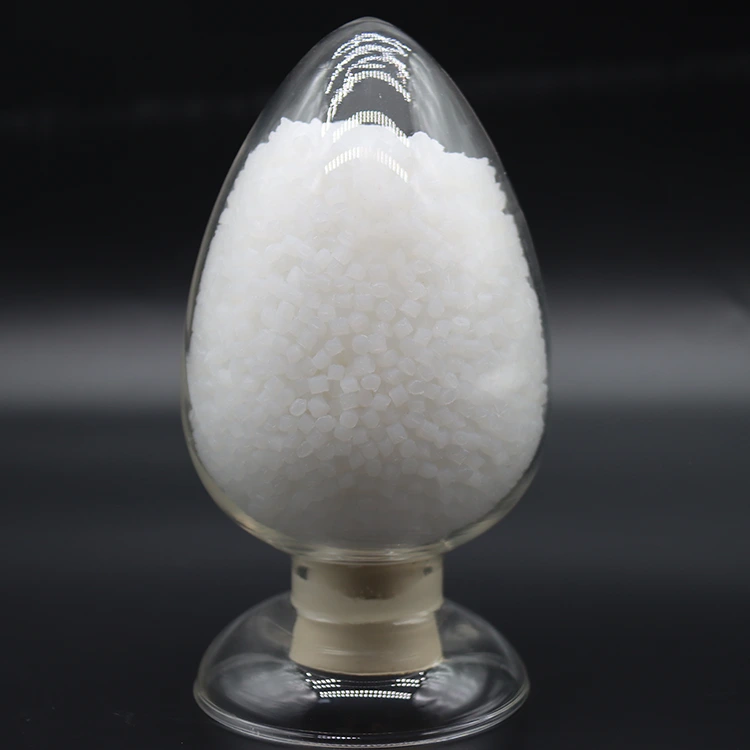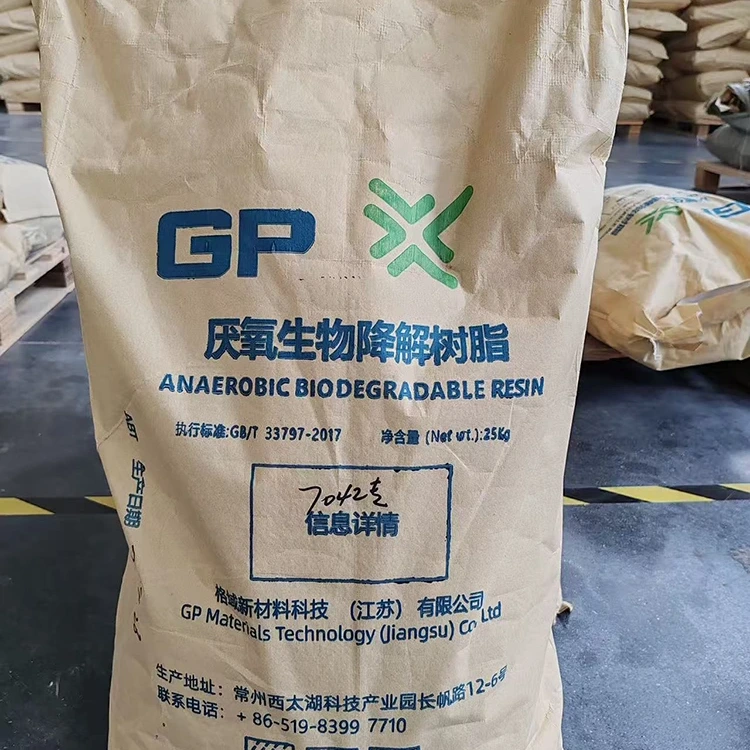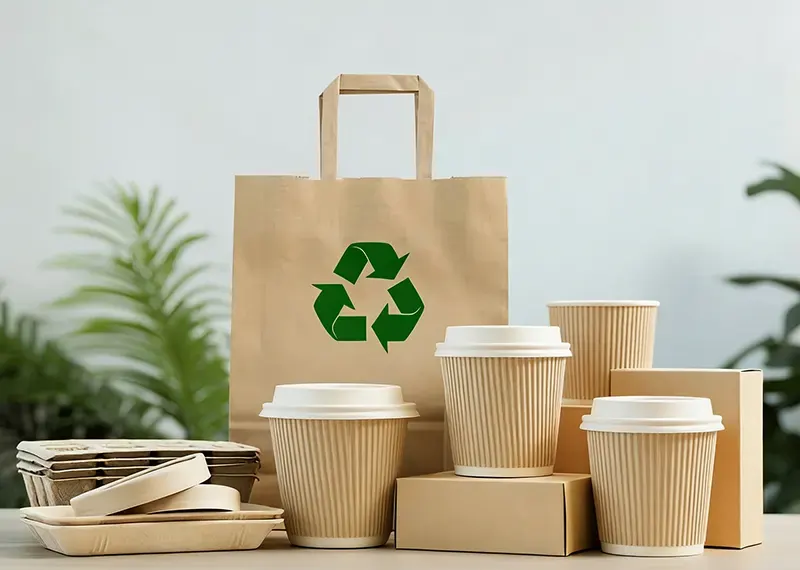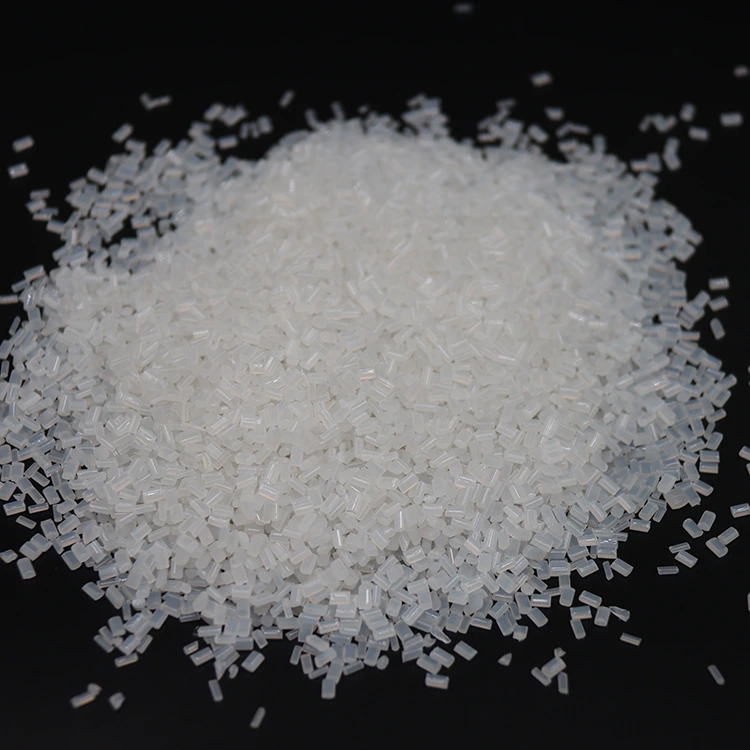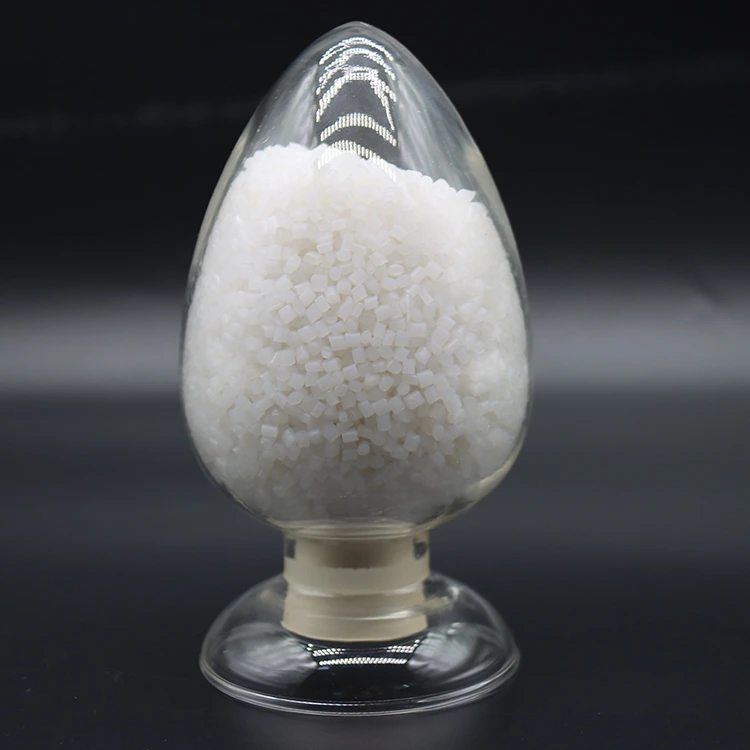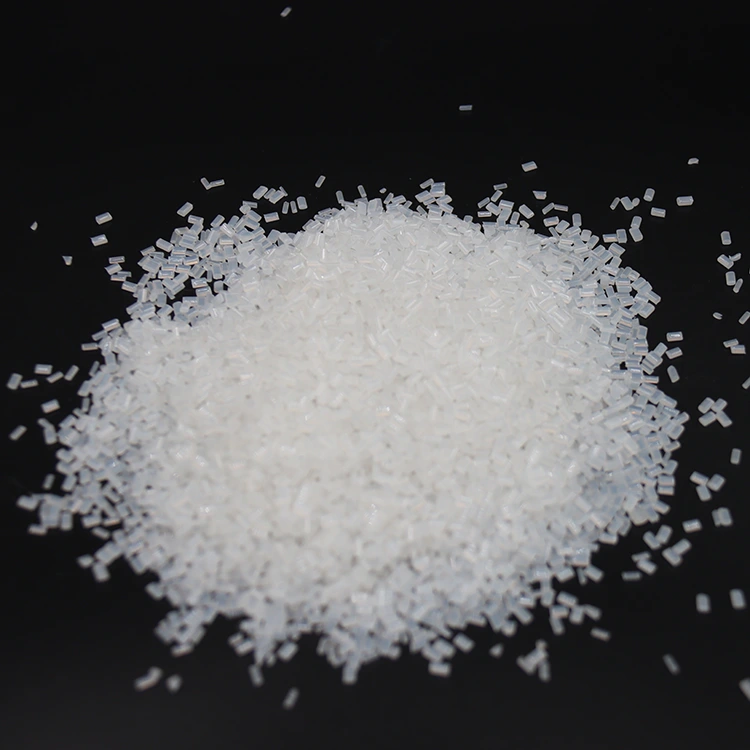
GP Materials Technology (Jiangsu) Co., Ltd. is advancing research on High-Anaerobic Biodegradable PP Raw Material as the packaging industry examines whether biodegradable plastics can perform under real landfill conditions rather than only in controlled environments.
The discussion around biodegradable plastics has become more practical in recent years. Many companies using plastic packaging are no longer asking only whether a material is labeled “green,” but whether it can actually respond to the complex conditions found after disposal. Landfills contain limited oxygen, changing moisture levels, different temperatures, and mixed waste environments, creating a challenging test for any biodegradable material.
Anaerobic biodegradation has therefore attracted increasing attention. Unlike traditional composting processes that often depend on oxygen-rich conditions, anaerobic systems explore how materials may break down in environments where oxygen is extremely limited.
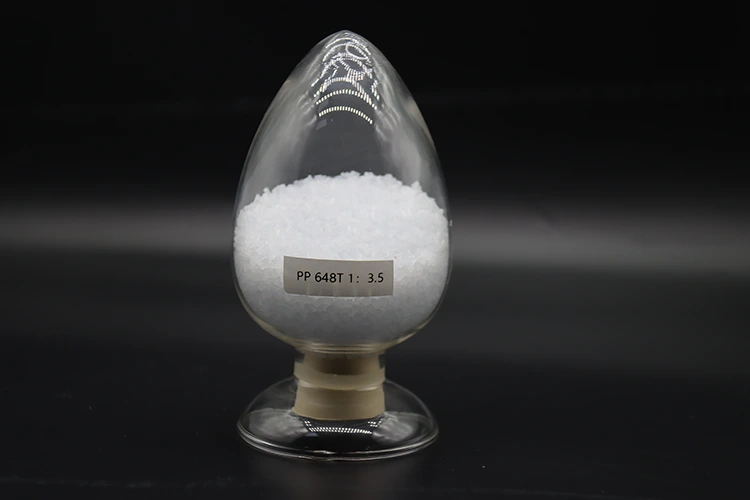
Plastic degradation is not a simple process. A material’s performance after disposal depends on its chemical structure, environmental conditions, microbial activity, and the time available for decomposition.
Traditional polypropylene (PP) has long been valued for its strength, heat resistance, and versatility. It is widely used in food packaging, household products, and industrial applications. However, its resistance to natural breakdown has also created long-term waste management challenges.
The development of anaerobic biodegradable materials aims to address this issue by modifying polymer systems and introducing technologies that support microbial interaction under specific disposal environments.
For High-Anaerobic Biodegradable PP Raw Material, the key question is not whether the material disappears immediately, but whether it can provide improved biodegradation potential compared with conventional PP when exposed to suitable anaerobic conditions.
Landfills are not standardized laboratories. Every landfill has different characteristics depending on local waste composition, climate, moisture, and management practices.
Several factors influence degradation:
| Factor | Influence on Biodegradation |
|---|---|
| Oxygen availability | Anaerobic environments create different microbial activities compared with open-air conditions |
| Temperature | Microbial activity changes with seasonal and underground temperature variations |
| Moisture content | Water availability affects biological reactions |
| Waste composition | Mixed materials can accelerate or slow down degradation processes |
| Time period | Some biodegradable materials require extended periods to show measurable changes |
Because of these variables, researchers continue to study how biodegradable materials behave in practical disposal environments.
The challenge for biodegradable plastic development is balancing environmental goals with everyday performance. Packaging materials still need strength, flexibility, processing stability, and consistent quality during use.
GP Materials Technology (Jiangsu) Co., Ltd., located in Changzhou, Jiangsu Province, has focused on the research and industrial application of anaerobic biodegradable materials. The company operates a facility covering approximately 17,500 square meters and has developed technology systems centered around anaerobic biodegradation.
Through cooperation with East China University of Science and Technology, the company has established a joint laboratory supporting research from material development to industrial production.
This approach reflects a broader industry trend: biodegradable materials are moving from experimental concepts toward practical solutions that need to meet real production requirements.
Many discussions about biodegradable plastics focus on whether a material can completely disappear. However, industry experts increasingly emphasize a more detailed evaluation approach.
A material should be assessed based on:
This means biodegradability should not be viewed as a single performance label but as a combination of material science and waste management conditions.
The packaging industry is currently looking for ways to reduce dependence on traditional plastics while maintaining reliable product protection. This has increased interest in advanced polymer technologies that combine performance with improved environmental characteristics.
Compared with replacing plastic completely, biodegradable material development focuses on creating more balanced solutions. In many applications, plastic remains necessary because of its durability, lightweight properties, and processing advantages.
For this reason, the development of High-Anaerobic Biodegradable PP Raw Material represents an exploration of how existing plastic categories can be improved rather than simply replaced.
Potential application areas include:
| Application Field | Possible Uses |
|---|---|
| Food packaging | Containers, disposable packaging products, and related materials |
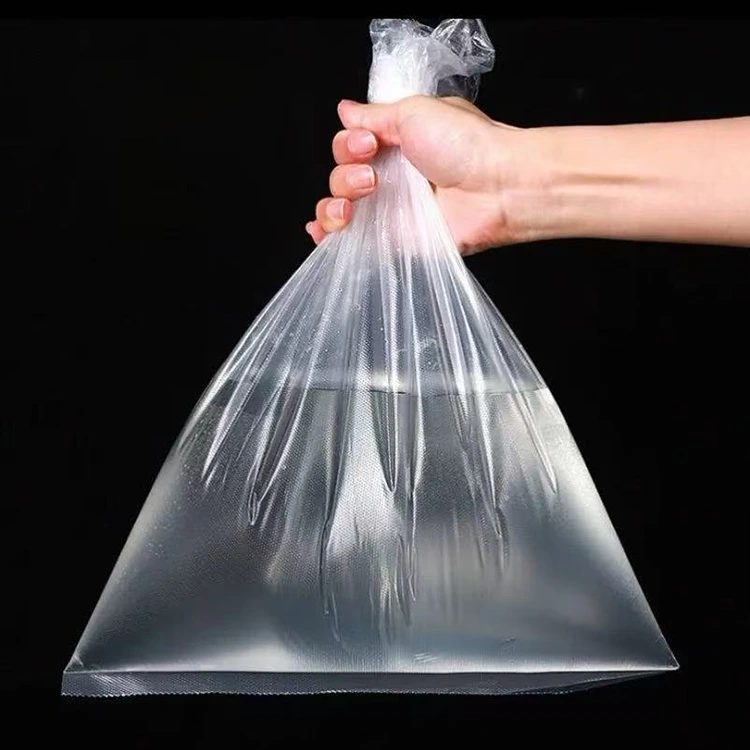
| Express packaging | Bags and protective packaging solutions |
| Agricultural materials | Mulch films and agricultural plastic products |
| Daily-use products | Garbage bags, disposable items, and household packaging |
| Industrial packaging | Flexible materials requiring durability and process stability |
These applications show why biodegradable resin development has attracted attention across multiple industries.
As environmental materials continue to develop, clear information becomes increasingly important. Claims about biodegradation need to be evaluated according to actual testing conditions, technical methods, and application environments.
A responsible approach does not simply focus on marketing terms. Instead, it considers whether the material technology, production process, and final application scenario are connected.
GP Materials Technology (Jiangsu) Co., Ltd. has built its development strategy around this principle. The company focuses on anaerobic biodegradable particle research and produces resin materials based on different polymer systems, including PP, PE, HDPE, LDPE, LLDPE, PVC, PET, and PA.
Its production system has completed the first phase construction with an annual capacity of 50,000 tons of intermediates, providing a foundation for large-scale material development and application exploration.
No. Biodegradation is a gradual process affected by many environmental factors. Landfill conditions vary greatly, and the speed of degradation depends on material design, microbial activity, moisture, temperature, and time.
Research continues to develop. Different materials and testing environments can produce different results. The industry is moving toward more practical evaluation methods that better reflect real disposal conditions.
PP has important advantages, including strength, lightweight performance, and processing convenience. Improving its environmental performance can provide another option for industries that still rely on plastic-based products.
The future of biodegradable plastics will likely depend on cooperation between material researchers, processing companies, packaging developers, and waste management systems.
A successful biodegradable material solution requires more than a new resin formula. It requires understanding how materials are produced, used, collected, and treated after disposal.
As environmental regulations and sustainability goals continue to influence packaging development, technologies related to anaerobic biodegradation are expected to receive further evaluation and improvement.
The ongoing progress of High-Anaerobic Biodegradable PP Raw Material shows that the industry is exploring new directions for plastic innovation. While landfill degradation remains a complex topic requiring continued research and verification, advanced biodegradable materials are creating new possibilities for reducing the long-term impact of plastic waste.
GP Materials Technology (Jiangsu) Co., Ltd. continues to focus on environmentally friendly material development, providing High-Anaerobic Biodegradable PP Raw Material and related biodegradable resin solutions that support the evolving needs of sustainable packaging and green material applications.