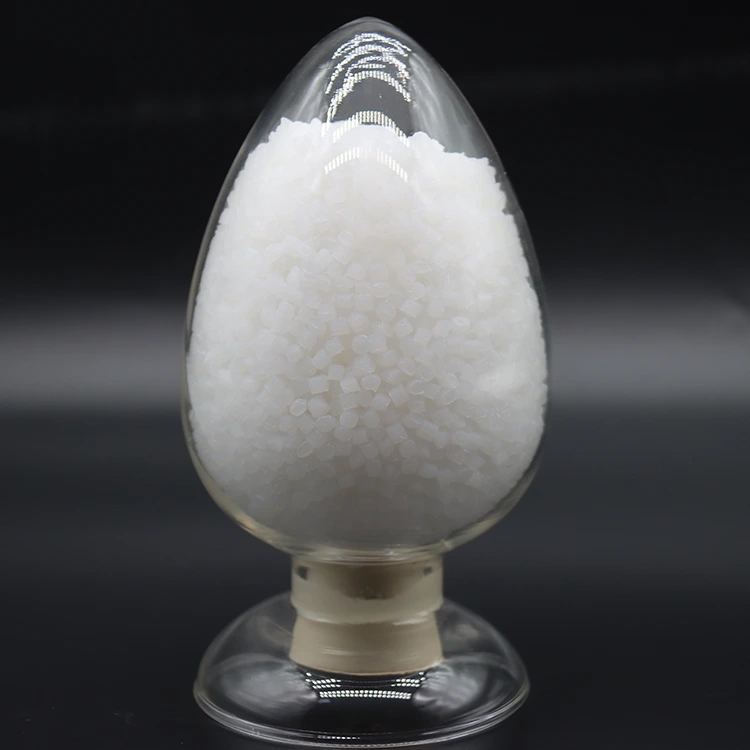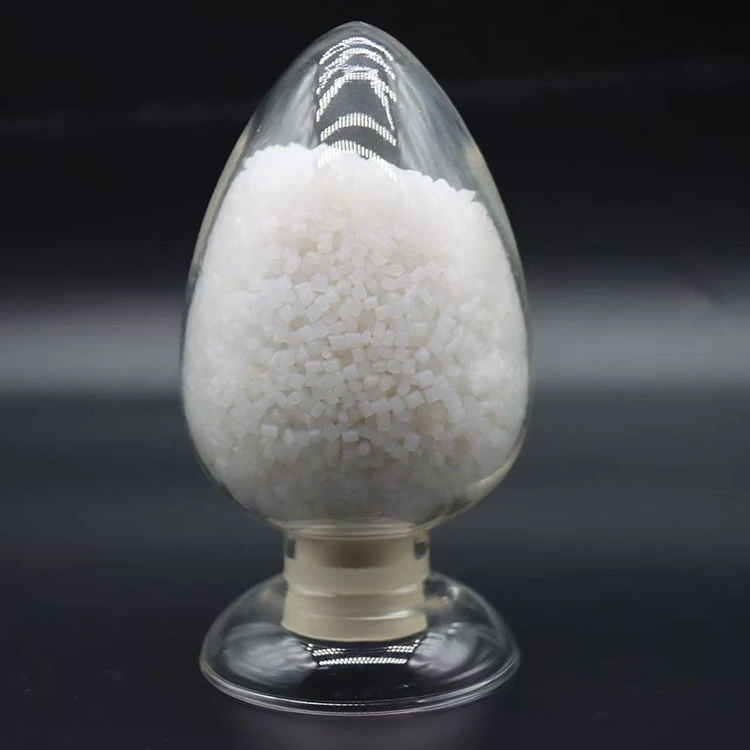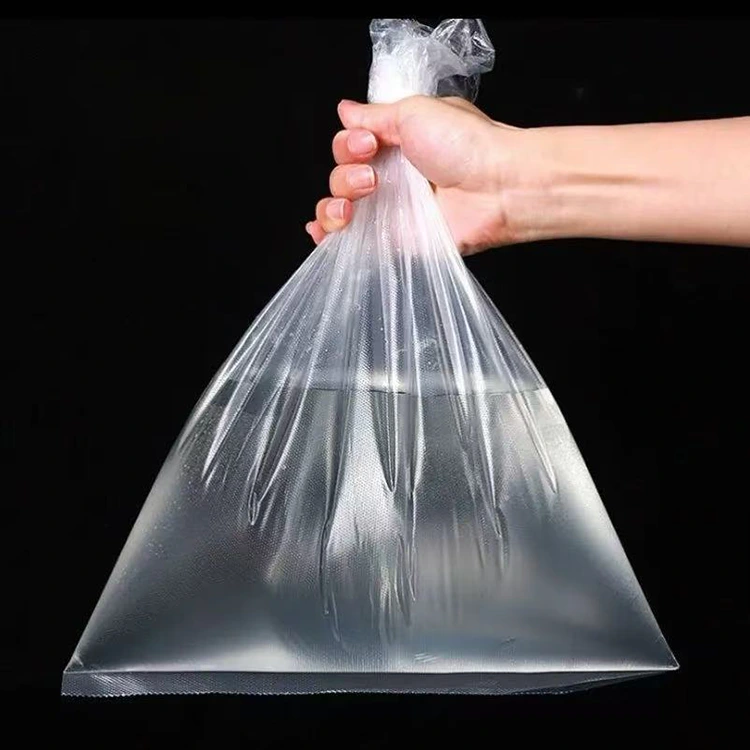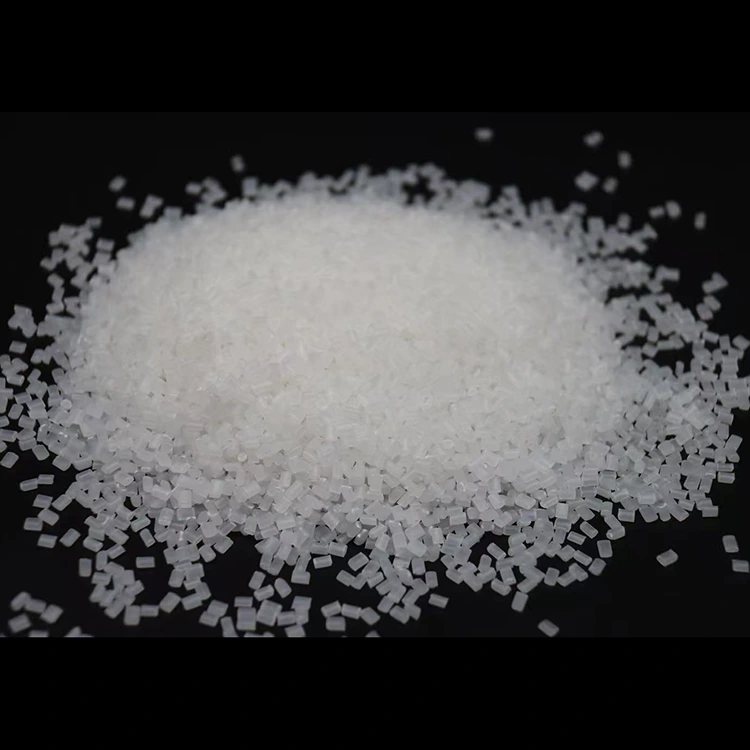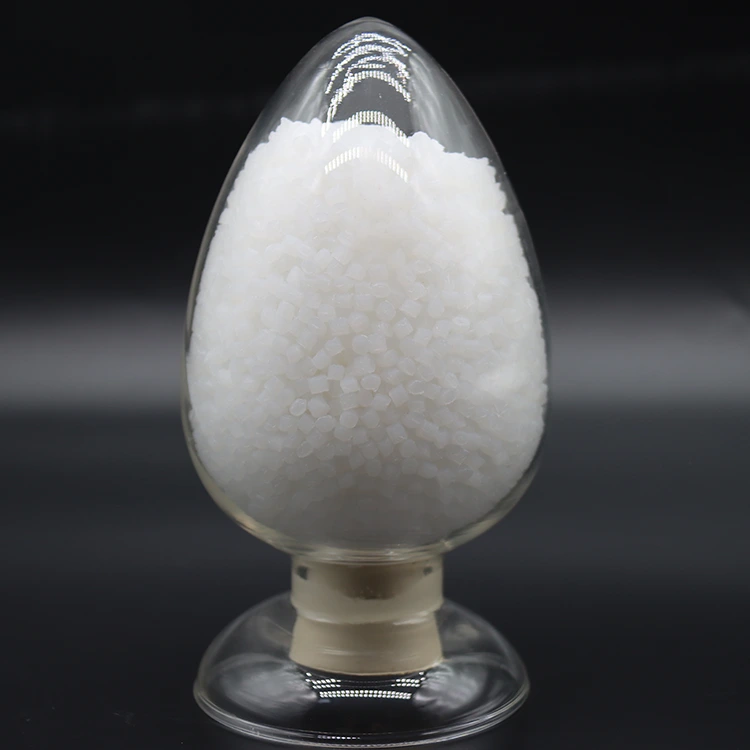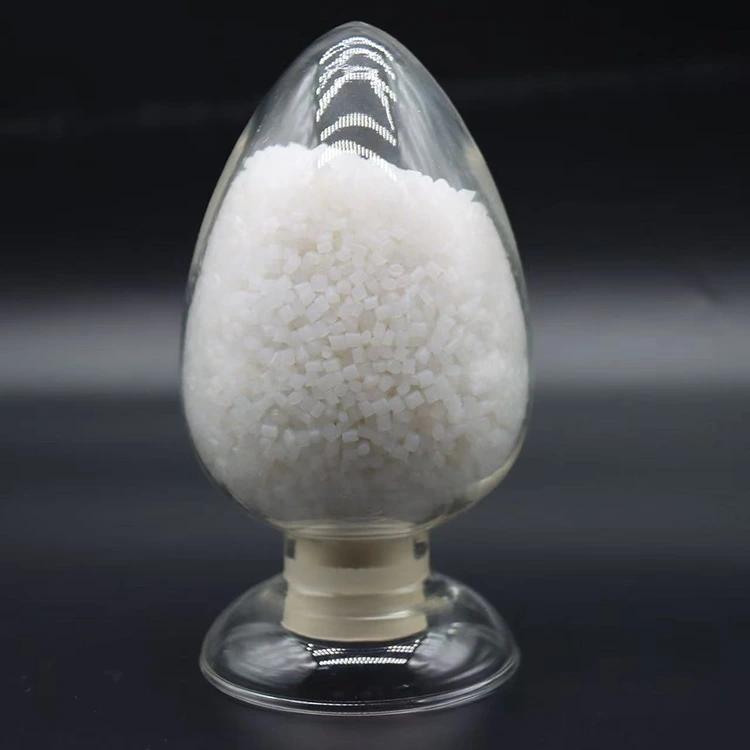
Material selection is no longer just about cost per kilogram or whether a resin can run on existing equipment. Today, manufacturers also face pressure from changing regulations, customer expectations, disposal concerns, and the rising demand for more responsible product design. That is exactly why Biodegradable Polymer Particles have moved from a niche discussion to a serious procurement topic across packaging, consumer goods, industrial applications, and daily-use products.
At the same time, many buyers are still cautious. They want to know whether biodegradable materials can preserve strength, processing stability, appearance, and production efficiency. They also need to know whether switching materials will create hidden costs, inconsistent quality, or delays in commercialization. These are practical concerns, and they deserve practical answers.
This article explains how Biodegradable Polymer Particles help manufacturers respond to environmental pressure without sacrificing production performance. It covers the biggest pain points buyers face, including process compatibility, cost control, supply stability, material selection, application matching, and long-term brand value. It also explores how companies such as GP Materials Technology (Jiangsu) Co., Ltd. fit into the conversation by offering material solutions aimed at balancing performance and environmental responsibility.
For most manufacturers, sustainability is not a decorative label. It has become an operational issue. Buyers are under pressure to reduce environmental impact, but they are equally under pressure to protect margins, keep line speeds stable, and avoid quality complaints. That is why decision-makers rarely ask only one question such as “Is it biodegradable?” Instead, they ask a cluster of questions all at once.
They want to know whether the material can run in blown film, injection molding, extrusion, or foaming processes with minimal disruption. They want to know whether the finished part will still look right, feel right, and perform right. They also want reassurance that switching materials will not force a total redesign of tooling, packaging specifications, or production planning.
In that sense, Biodegradable Polymer Particles are gaining attention not because they sound innovative, but because manufacturers increasingly need materials that fit real-world production logic. A viable solution must support environmental goals while remaining compatible with practical manufacturing demands.
Even interested buyers hesitate when the transition path feels unclear. In my experience, most hesitation comes from four recurring pain points.
These concerns are valid. A material that looks promising on paper but causes instability in mass production can become more expensive than the traditional option it was meant to replace. That is why buyers increasingly prefer suppliers that can discuss application fit, process compatibility, and customization in detail rather than simply offering generic eco-friendly claims.
| Buyer Concern | What It Means in Practice | What a Good Supplier Should Clarify |
|---|---|---|
| Machine compatibility | Will the material run on current film, extrusion, injection, or foaming lines? | Recommended process routes, suggested parameters, and adaptation requirements |
| Performance retention | Can the product keep strength, clarity, toughness, or structural integrity? | Core mechanical properties, target applications, and performance trade-offs |
| Cost risk | Will trials, scrap, or slower throughput offset the environmental value? | Processing efficiency, sampling support, and scale-up guidance |
| Supply continuity | Can the buyer rely on consistent batches and long-term delivery? | Production capacity, quality management, and batch consistency control |
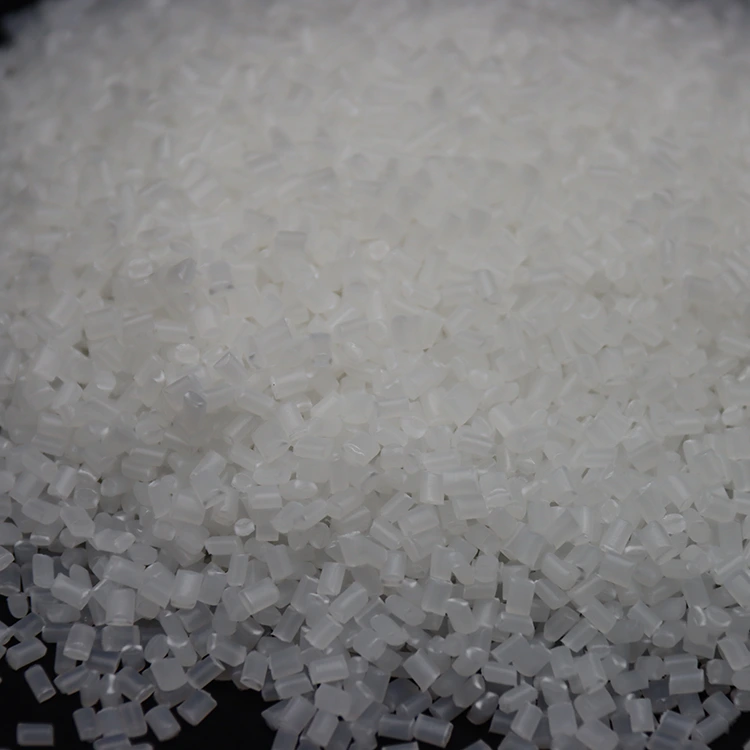
This is the question that determines whether a material moves from a lab conversation to a purchasing decision. The encouraging answer is that the right Biodegradable Polymer Particles can support conventional processing routes when they are properly engineered for industrial use. Buyers are no longer limited to one narrow material choice. They can now consider biodegradable solutions associated with common resin families and application types, depending on the product they are developing.
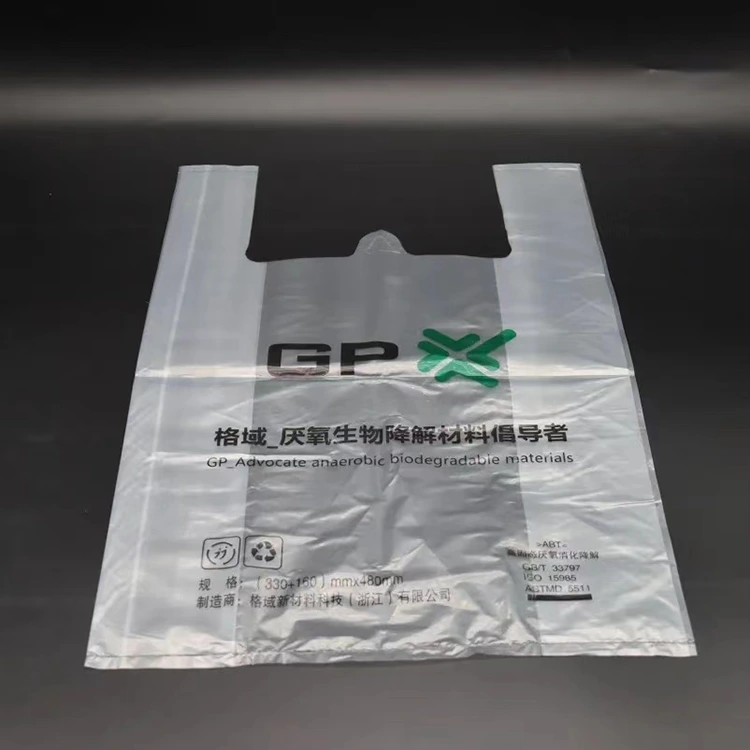
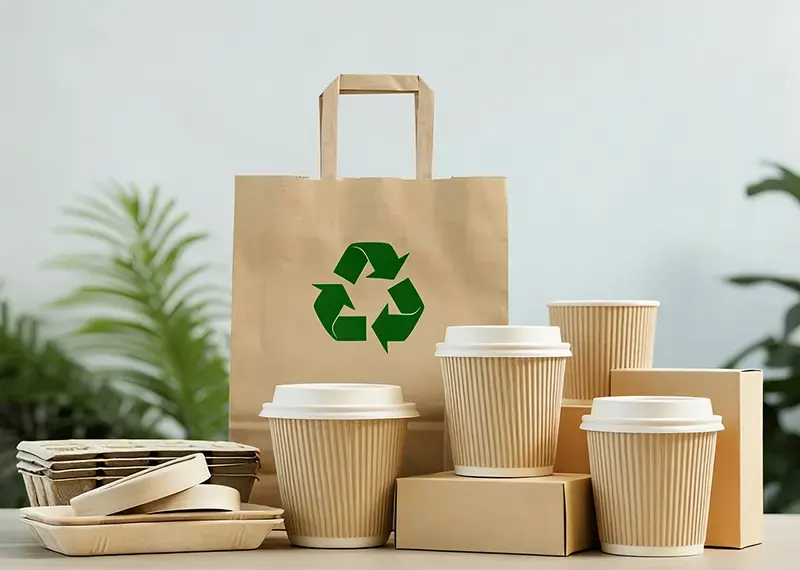
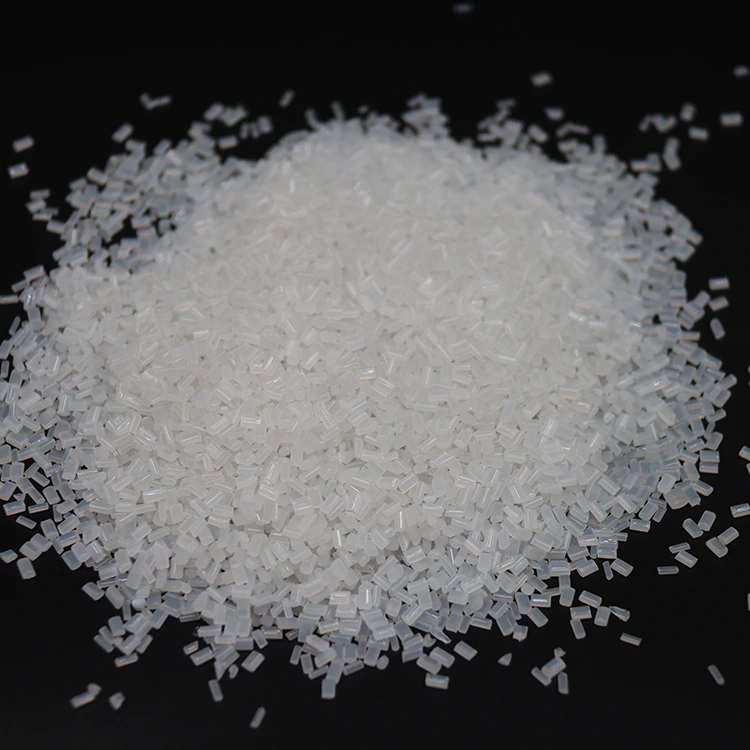
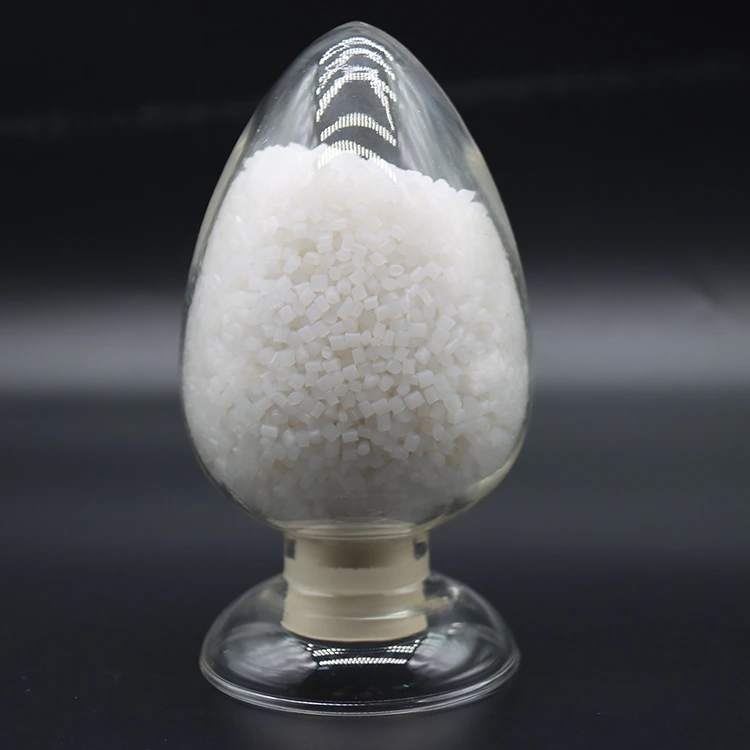
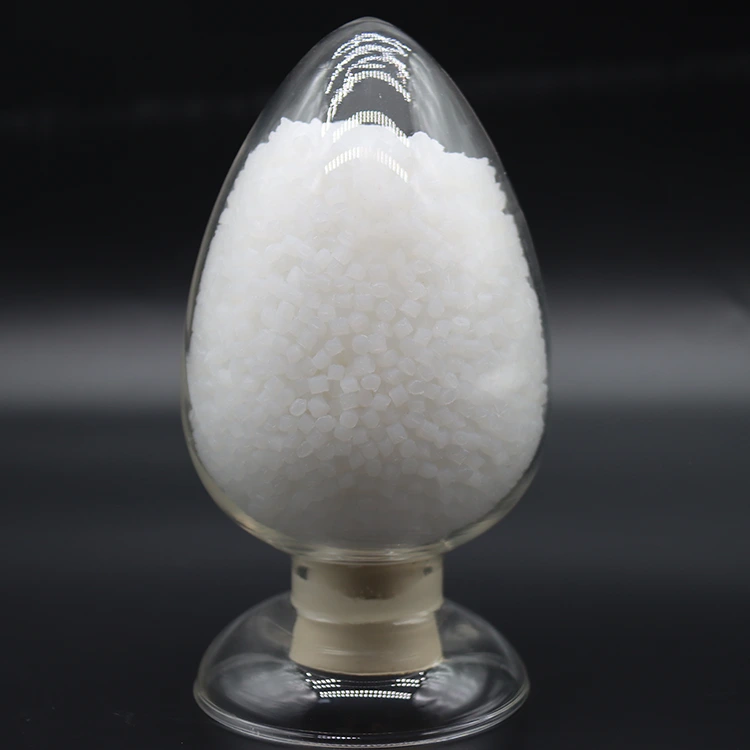
The product positioning shown by GP Materials Technology (Jiangsu) Co., Ltd. reflects this practical direction. Its biodegradable polymer particle category highlights materials related to common resin systems such as PP, PE, PET, EPS, and PA, and frames them around compatibility with processes like blown film, injection molding, extrusion, and foaming. It also presents these materials as useful for packaging, consumer goods, industrial products, and daily-use applications. :contentReference[oaicite:1]{index=1}
That matters because buyers do not purchase a polymer in isolation. They purchase a production outcome. If a biodegradable material can help reduce environmental burden while preserving manufacturability, it becomes commercially relevant. If it can also reduce the need for major equipment modification, the value becomes even more attractive.
Of course, performance must always be evaluated by application. A rigid engineering part has different requirements from a soft packaging film. A material intended for foaming behaves differently from one selected for transparent packaging. The smartest path is not to ask whether biodegradable materials are “good” in general, but whether a specific formulation is right for a specific end use.
The real advantage of modern Biodegradable Polymer Particles is not that they erase every engineering challenge. It is that they give manufacturers more room to meet environmental goals without automatically giving up production practicality.
One mistake I often see is treating all biodegradable materials as if they serve the same purpose. In reality, selection should start from the product scenario, not from the sustainability claim alone.
| Application Scenario | What Buyers Usually Need | What to Focus on During Material Selection |
|---|---|---|
| Flexible packaging | Film processability, sealability, toughness, stable appearance | Blown film compatibility, puncture resistance, handling performance |
| Rigid packaging | Strength, shape retention, product protection, efficient molding | Injection performance, dimensional stability, visual consistency |
| Household goods | Balanced cost, durability, acceptable finish, practical mass production | Toughness, processing repeatability, consumer-use suitability |
| Industrial products | Mechanical reliability, scale-up security, stable supply | Batch consistency, structural performance, engineering support |
| Foamed products | Light weight, cushioning, process compatibility | Foaming behavior, density control, product stability |
Buyers that work in export markets also need to consider how material choice will affect customer communication. More end customers are asking where materials come from, whether they support sustainability goals, and whether suppliers can explain the value proposition clearly. That means the material decision is no longer just technical; it also affects sales positioning, procurement confidence, and brand storytelling.
This is one reason suppliers with a broad biodegradable material portfolio can be attractive. Instead of forcing buyers into one generic answer, they can help compare options across different resin families, processing paths, and product categories.
A good purchase decision starts with the right checklist. Before moving from inquiry to sample validation, I would focus on the following areas:
This is where an experienced supplier becomes valuable. A capable manufacturer should do more than quote a price. It should help reduce decision risk. That includes guiding buyers through application matching, offering practical information on material behavior, and supporting the move from sampling to commercialization.
If your business is trying to replace conventional plastics without disrupting production continuity, that kind of support can make the difference between a stalled project and a successful product launch.
Materials do not succeed in isolation. They succeed inside a supply chain. Even a promising biodegradable formulation can become a liability if the supplier cannot maintain stable delivery, consistent quality, and responsive communication.
That is why buyers should evaluate the supplier with the same seriousness they apply to the material itself. Can the supplier explain where the material fits best? Can it support OEM or bulk demand? Can it discuss production realities honestly instead of hiding behind marketing language? Can it keep up when the buyer moves from trial quantities to repeat orders?
This is where companies such as GP Materials Technology (Jiangsu) Co., Ltd. position themselves: not simply as sellers of raw granules, but as solution-oriented suppliers supporting biodegradable material applications across multiple product categories. Their product page emphasizes wholesale and OEM support, broad resin-related coverage, and material compatibility with conventional processing approaches, which are exactly the issues practical buyers tend to care about most. :contentReference[oaicite:2]{index=2}
In other words, the best material conversation is never just about biodegradability. It is about whether the supplier can help you turn that biodegradability into a commercially workable product.
Are Biodegradable Polymer Particles suitable for existing production lines?
In many cases, yes, but suitability depends on the exact formulation and your process route. The right material should be evaluated against your equipment, processing window, and end-product requirements before scale-up.
Will biodegradable materials always cost more overall?
Not necessarily. A higher raw material price does not automatically mean a higher total project cost. If the material reduces redesign work, limits machine modification, and supports stable production, the total value can be competitive.
Can these materials still provide strength and product stability?
They can, when the material is selected correctly for the application. Performance expectations should always be matched to the product category, whether it is film, molded packaging, consumer goods, or industrial parts.
What industries are most likely to benefit first?
Packaging, household products, daily-use goods, and selected industrial applications are among the most active sectors, especially where buyers want a practical balance between manufacturability and environmental progress.
What is the smartest first step for a buyer?
Start with an application-specific discussion. Share your process type, target product, and performance priorities, then request a recommendation and sample path rather than buying only by generic category name.
If your team is exploring material upgrades, now is the right time to evaluate whether Biodegradable Polymer Particles can support your next product line without adding unnecessary complexity. The most effective projects begin with a clear technical discussion, a realistic sample plan, and a supplier that understands both environmental objectives and production realities.
GP Materials Technology (Jiangsu) Co., Ltd. is part of that conversation for buyers seeking practical biodegradable raw material solutions across different resin and application paths. If you are comparing options for packaging, consumer goods, or industrial products and want a solution that aligns performance with responsible material strategy, contact us to discuss your project, request product details, and explore the right direction for your next order.