Article Summary
Buyers of disposable food packaging are under pressure from every direction. They need materials that can handle heat, oil, stacking, transport, and customer use without creating complaints. At the same time, they are asked to reduce environmental impact, protect brand reputation, and keep production stable and cost-conscious. That is why biodegradable tableware materials have moved from a niche topic to a practical purchasing decision.
In this article, I break down what buyers should really look for in biodegradable tableware materials, where many sourcing decisions go wrong, and how manufacturers can balance performance, process compatibility, and long-term commercial value. I also explain why companies such as GP Materials Technology (Jiangsu) Co., Ltd. are attracting attention from buyers who need dependable materials for cups, lunch boxes, straws, sauce cups, and other food-contact applications.
Table of Contents
Outline
Food service has changed. It is no longer only about serving food at a table and clearing plates a few minutes later. Today, meals are carried across cities, stacked in delivery vehicles, reheated after purchase, photographed for social media, and judged within seconds by customers who expect both convenience and responsibility. That shift has made the choice of packaging material far more important than many buyers expected.
Traditional disposable tableware may look inexpensive at the quotation stage, but the real cost of a poor material often appears later. Lids deform. Containers leak. Straws soften. Cups crack under temperature swings. End users complain. Restaurants replace stock. Distributors absorb returns. Brands lose trust. A material decision that once seemed minor suddenly becomes a customer experience issue and a business risk.
This is exactly where biodegradable tableware materials have become more relevant. Buyers are not simply chasing a trend. They are responding to practical pressure: tightening product expectations, stronger environmental awareness, and a growing need to show that convenience does not have to come at the expense of responsibility. In many categories, the conversation has moved beyond “Can we switch?” to “How do we switch without sacrificing performance?”
When I look at how food packaging projects succeed or fail, I see the same pattern again and again. Buyers are rarely searching for a material in the abstract. They are trying to remove friction from operations. They want fewer complaints, safer processing, more predictable output, and materials that support their brand rather than undermine it.
The most common pain points usually include the following:
That is why a stronger sourcing conversation begins with application details, not just price per kilogram. A serious buyer wants to know how the material behaves during forming, filling, transportation, storage, and actual use. If a supplier can only talk about “eco-friendliness” in broad language but cannot discuss rigidity, sealing, or processing stability, that is usually a warning sign.
| Buyer Concern | What Usually Goes Wrong | What a Better Material Should Offer |
|---|---|---|
| Heat resistance | Warping, softening, user complaints | Shape retention under hot-fill or hot-drink conditions |
| Grease resistance | Stains, leaks, weak consumer experience | Reliable barrier performance for oily foods |
| Rigidity | Crushing during stacking or transport | Good structural support without excessive thickness |
| Processing consistency | High scrap rate and unstable output | Smooth thermoforming or injection molding behavior |
| Supply stability | Delays in production planning | Scalable, dependable raw material supply |
It is easy to speak about biodegradable tableware materials in general terms, but real purchasing decisions depend on specific properties. A material that performs well in a straw may not be the best option for a lunch box, and a cup material may face a different stress profile from a sauce cup or cutlery application.
In practical sourcing, I would focus on five key performance areas.
Buyers often underestimate the last point. Even when a material performs well in theory, it has to work under actual factory conditions. Cycle time, mold release, forming window, and dimensional consistency all matter. If the line becomes unpredictable, the material may create more cost than it saves.
This is one reason companies with application-oriented development tend to stand out. GP Materials Technology (Jiangsu) Co., Ltd. has positioned its biodegradable tableware materials around real food service scenarios such as hot food, oily food, and transport-sensitive applications, which is exactly the kind of thinking procurement teams want to see when evaluating long-term material partners.
The comparison should be honest. Conventional materials built their position over many years because they were easy to process, familiar to factories, and often cheap in high volume. Buyers do not need slogans. They need a clear understanding of where biodegradable options can now compete effectively and where application-specific testing is still essential.
| Category | Conventional Disposable Materials | Biodegradable Tableware Materials |
|---|---|---|
| Brand image | Functional but often seen as outdated | Better aligned with responsible brand positioning |
| Application flexibility | Widely used, but not always aligned with current market expectations | Increasingly adaptable across cups, straws, boxes, and more |
| User perception | May trigger concern over waste | Often viewed as a more forward-looking choice |
| Processing maturity | Highly familiar to many factories | Strong potential when matched with the right formulation and support |
| Commercial positioning | Competes mainly on price | Can compete on performance, image, and long-term market relevance |
The point is not that one material fits every project. The point is that biodegradable tableware materials have become commercially credible in many food-contact applications where buyers once assumed they would be too weak, too inconsistent, or too expensive to adopt at scale.
A material can look excellent on paper and still fail in the factory. That is why production compatibility should never be treated as a secondary issue. For buyers supplying converters, molders, or packaging factories, compatibility often determines whether a new material becomes a repeat order or a rejected trial.
In my experience, the smartest procurement teams ask practical questions early:
A supplier that understands production reality can save a buyer a huge amount of time. That support might include trial recommendations, application matching, processing guidance, and product suggestions based on the shape, wall thickness, fill temperature, and logistics demands of the finished item.
This is where sourcing becomes strategic rather than transactional. You are not simply buying pellets or compounds. You are buying a material solution that must survive the full chain from manufacturing to customer use.
Not every supplier is ready for serious food service business. Some can offer samples, but not stability. Others can offer low prices, but not the documentation or production support needed for long-term cooperation. Before placing an order, I would suggest using a checklist that keeps the evaluation grounded.
A practical supplier checklist
A capable supplier should make your decision easier, not more confusing. When a company can connect product properties with real commercial use, it becomes much easier to trust the recommendation. For buyers looking at biodegradable tableware materials as a long-term category rather than a one-time experiment, that level of support can make all the difference.
One of the strengths of modern biodegradable tableware materials is that they can serve a wider range of everyday food-contact products than many buyers expect. The key is choosing the right grade or formulation for the intended use. Different products face different combinations of temperature, filling pressure, wall thickness, hygiene, branding, and transport demands.
Strong opportunities often include:
For many buyers, the best route is not replacing every conventional item at once. A smarter approach is to begin with categories where customer visibility is high and performance requirements can be matched confidently. That allows brands to build experience, collect feedback, and scale with less risk.
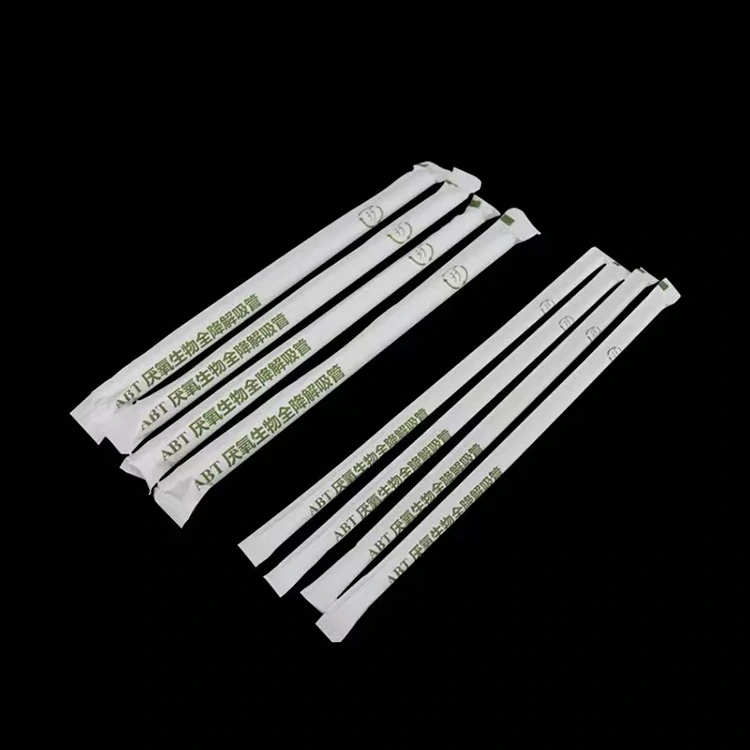
The most successful buyers do not treat sustainability and profitability as opposing goals. They look for a material strategy that improves business resilience. Better materials can strengthen brand image, reduce complaint-related losses, support product upgrades, and improve a company’s ability to respond to changing market expectations.
Commercial value appears in several ways:
In other words, biodegradable tableware materials are no longer just about disposal language. They are about operational reliability, packaging performance, and market readiness. That is why more buyers are taking them seriously now than they did a few years ago.
When a supplier combines application knowledge, stable supply, and product breadth, the decision becomes much more compelling. GP Materials Technology (Jiangsu) Co., Ltd. stands out in this conversation because it presents biodegradable tableware materials not as a vague concept, but as a workable answer for modern food packaging categories that need safety, convenience, processing efficiency, and a more responsible product story.
If you are still comparing material options for cups, lunch boxes, straws, sauce cups, or other food-contact products, now is the time to ask sharper questions and move beyond surface-level claims. The right biodegradable tableware materials can help you reduce packaging risk, improve end-user experience, and strengthen the commercial appeal of your product line at the same time.
At GP Materials Technology (Jiangsu) Co., Ltd., we understand that buyers do not need empty promises. They need materials that work in real production, perform in real food service conditions, and support real business growth. If you are planning your next packaging upgrade or sourcing project, contact us to discuss your application, request product details, and find a more practical path toward better biodegradable tableware solutions.