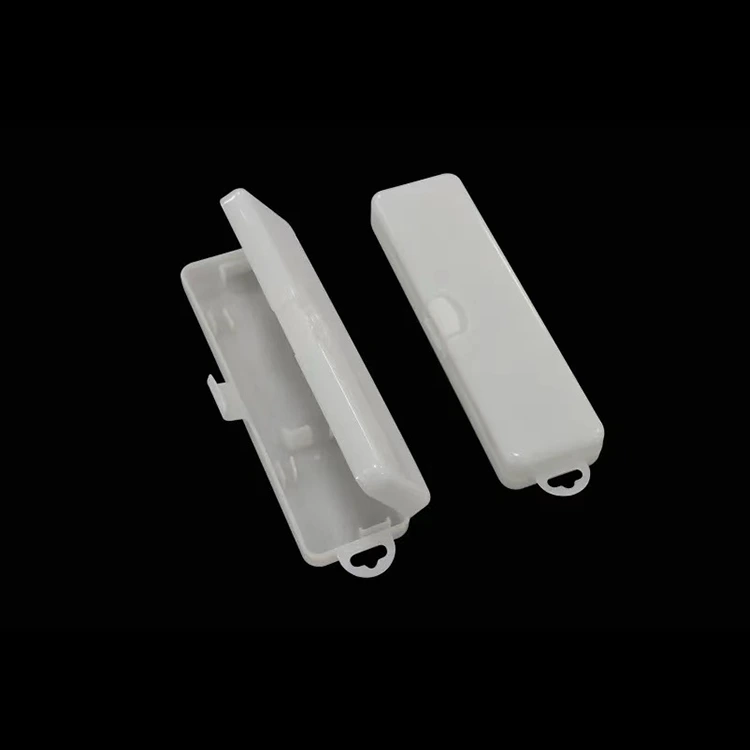
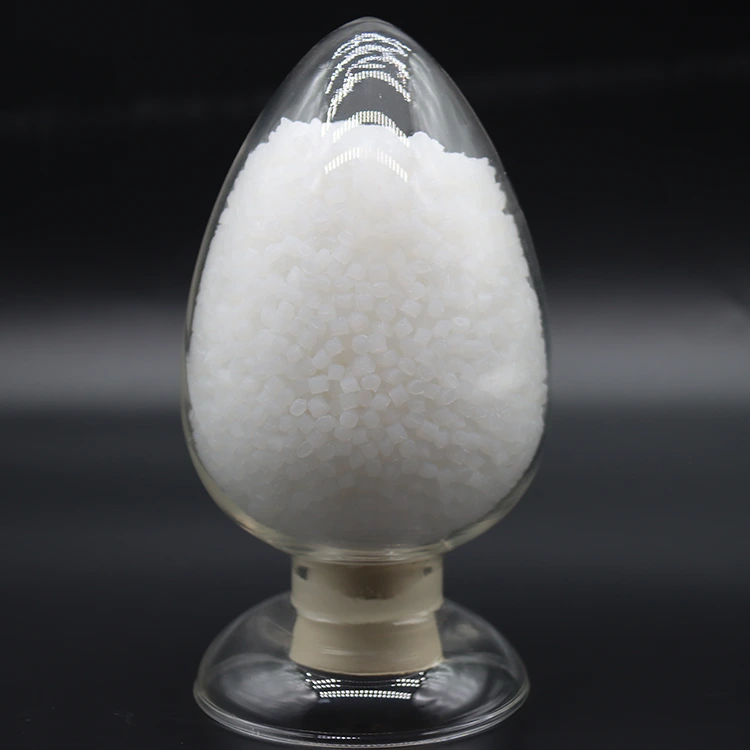
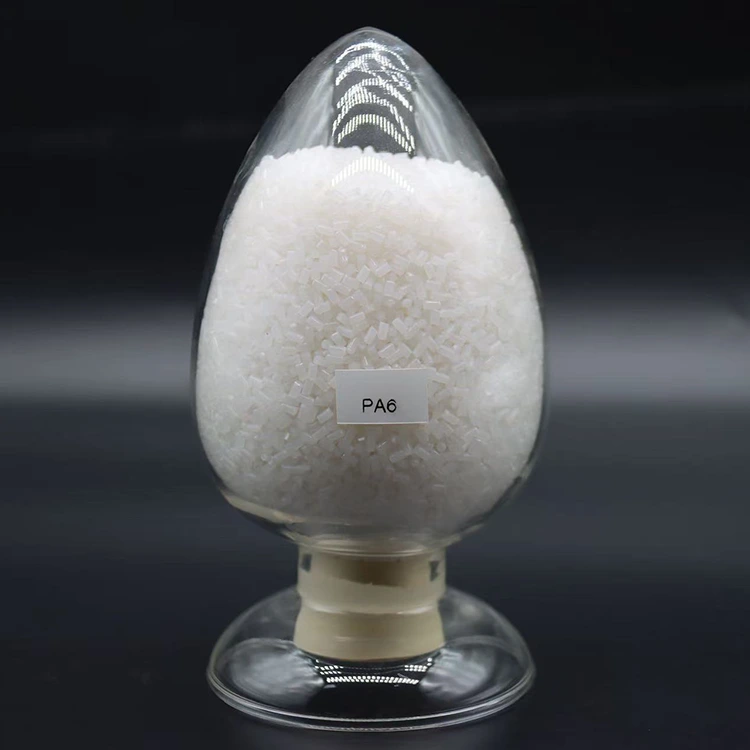
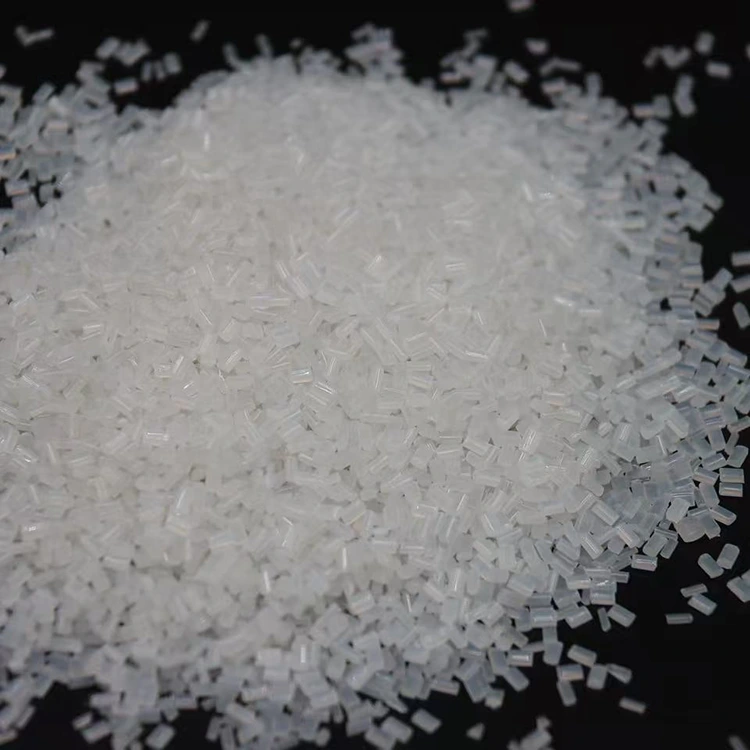
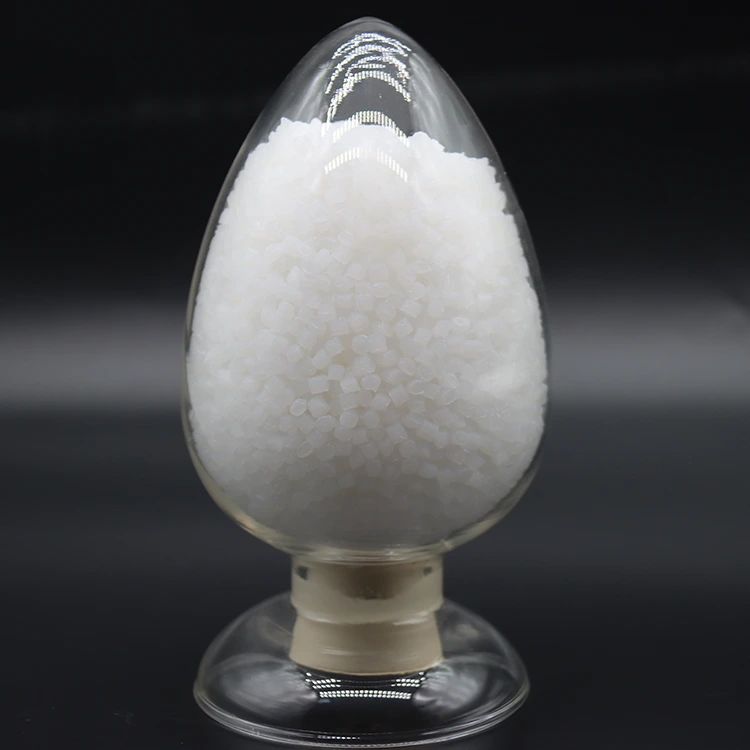
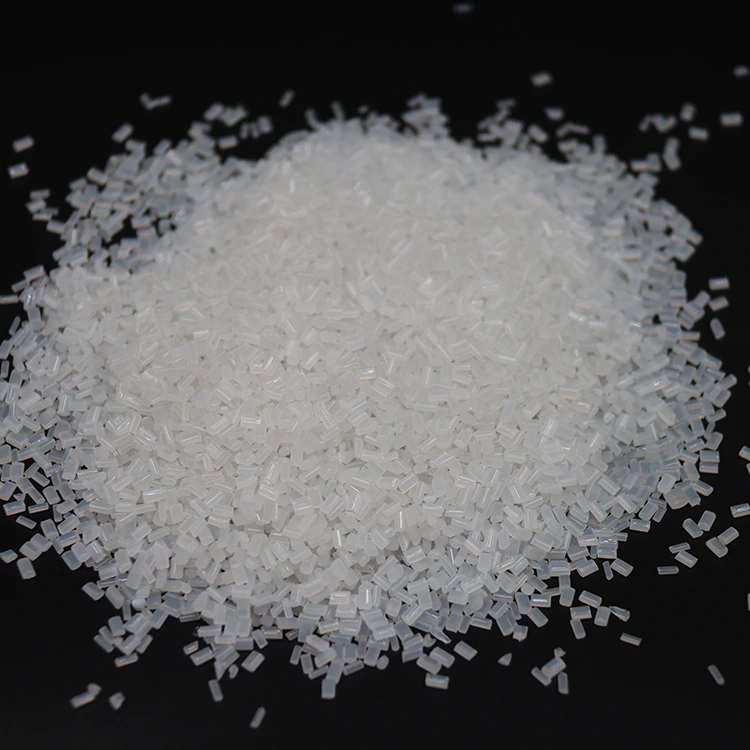
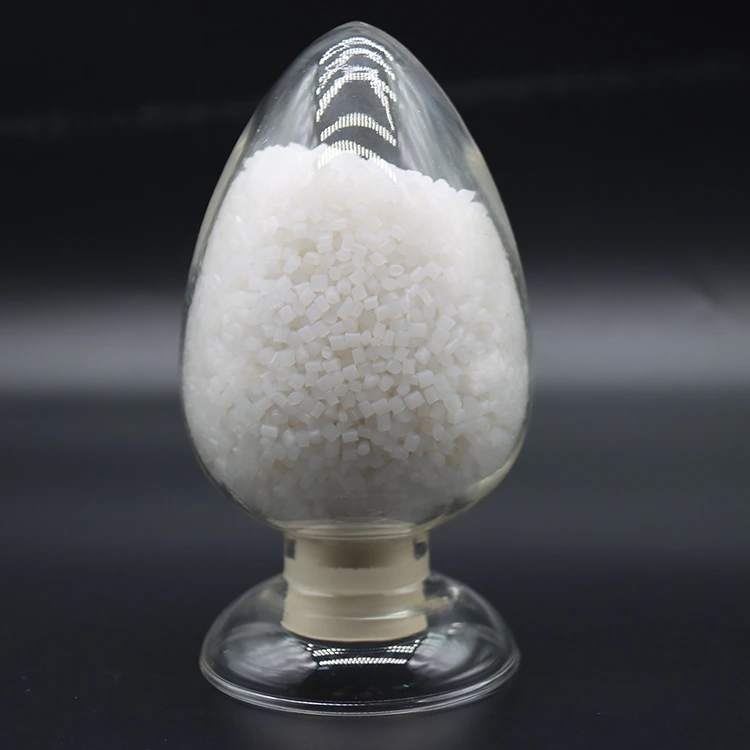
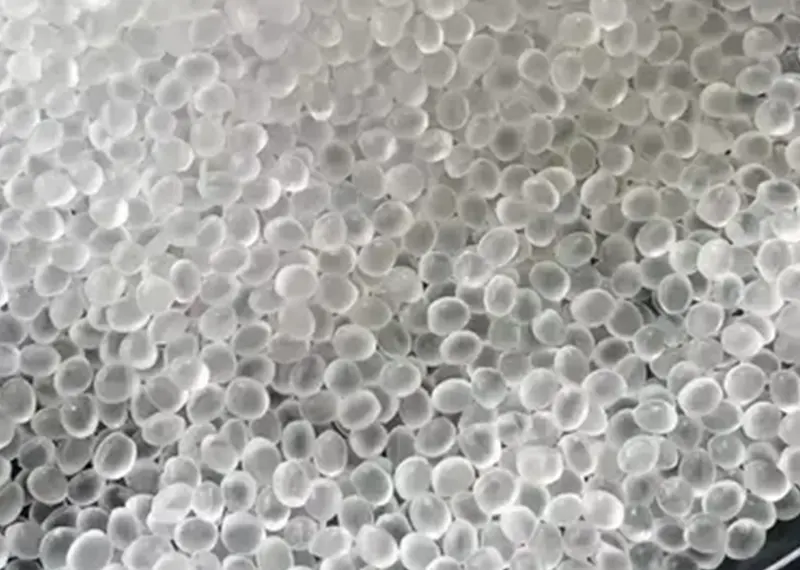
The term biodegradable materials encompasses a broad and innovative category of substances that prioritize environmental integration at the end of their useful life. This umbrella includes not only the raw particles but also the finished products and composites derived from them. The core principle is biomimicry: creating materials that, like a leaf or a piece of wood, can be broken down by living organisms.
The landscape of biodegradable materials is diverse. It ranges from classic natural materials (wood, cotton, paper) to modern biopolymers (PLA, PHA, PBS) and innovative composites that might combine natural fibers with biodegradable resins. Their applications are rapidly expanding into packaging, textiles (e.g., biodegradable wipes or clothing), agriculture (mulch films that plow into soil), and even biomedical fields (dissolvable sutures and implant scaffolds).
Adopting biodegradable materials presents a paradigm shift in how we define "durability." Performance is no longer measured solely by decades of resistance, but by functional longevity matched with a responsible degradation timeline. The challenge lies in ensuring that these materials meet the required performance criteria (strength, barrier properties, shelf-life) during use, while degrading efficiently and safely only when disposed of correctly. As technology advances, the next frontier is creating "smart" biodegradable materials with tunable lifespans and clearer degradation triggers. Ultimately, they are a crucial piece of the sustainability puzzle, offering a pathway to harmonize human innovation with planetary ecosystems.
We use cookies to offer you a better browsing experience, analyze site traffic and personalize content. By using this site, you agree to our use of cookies. Privacy Policy