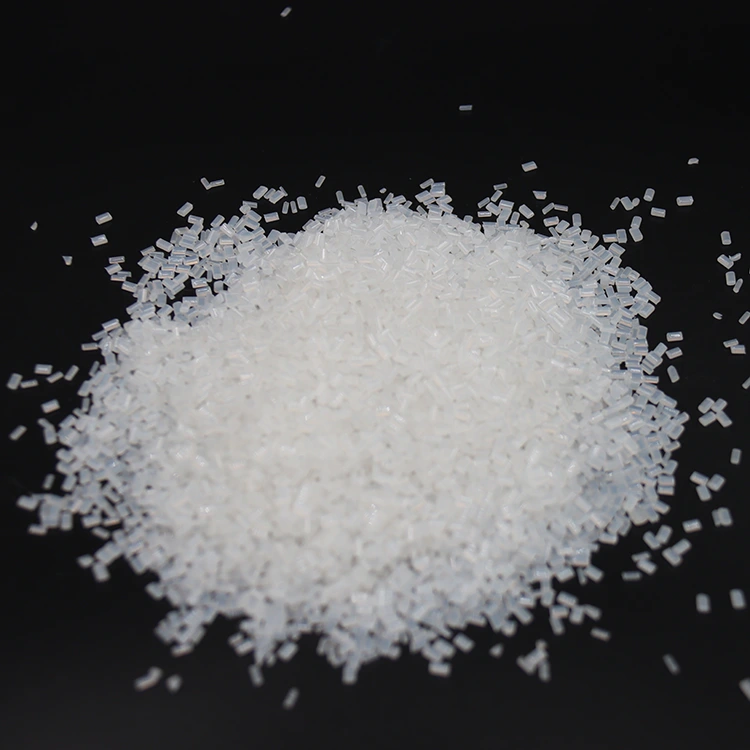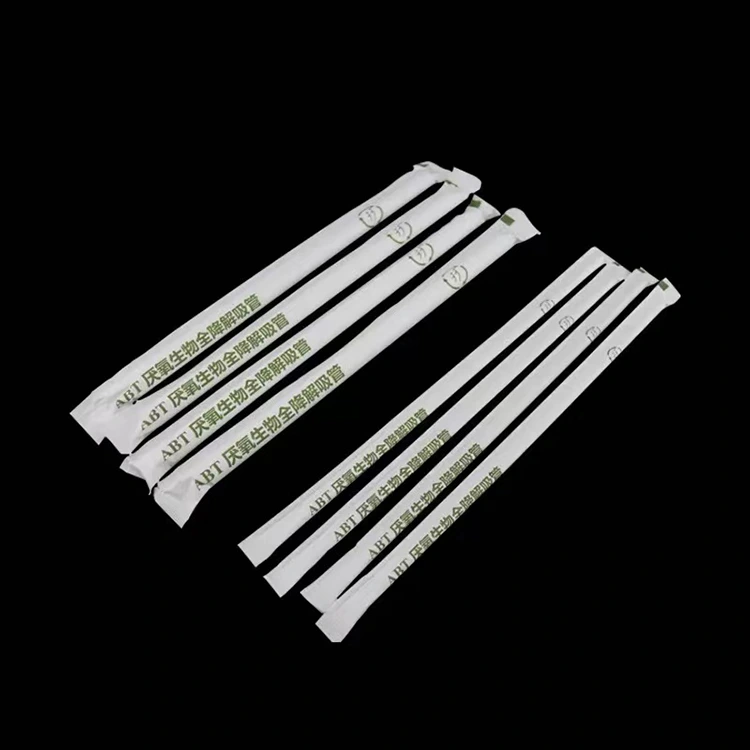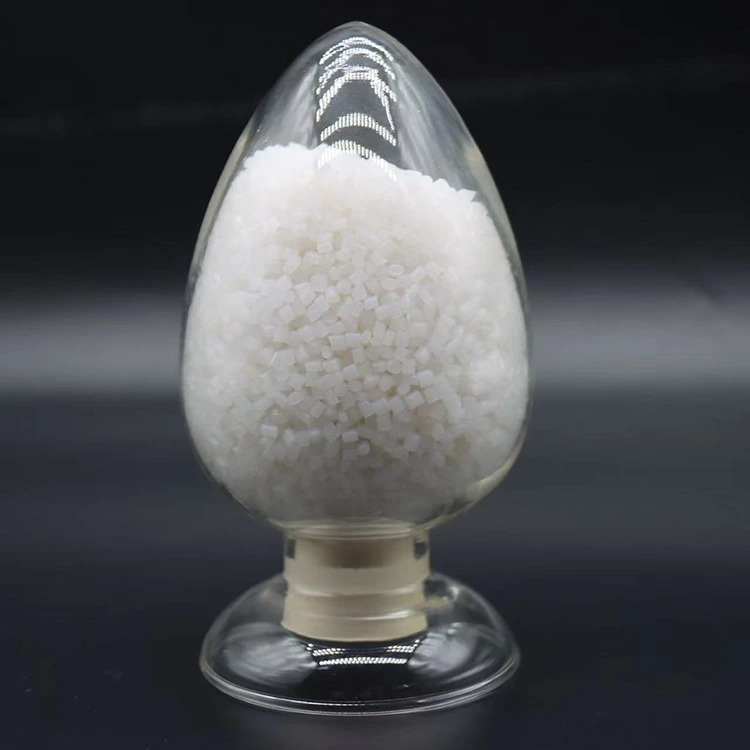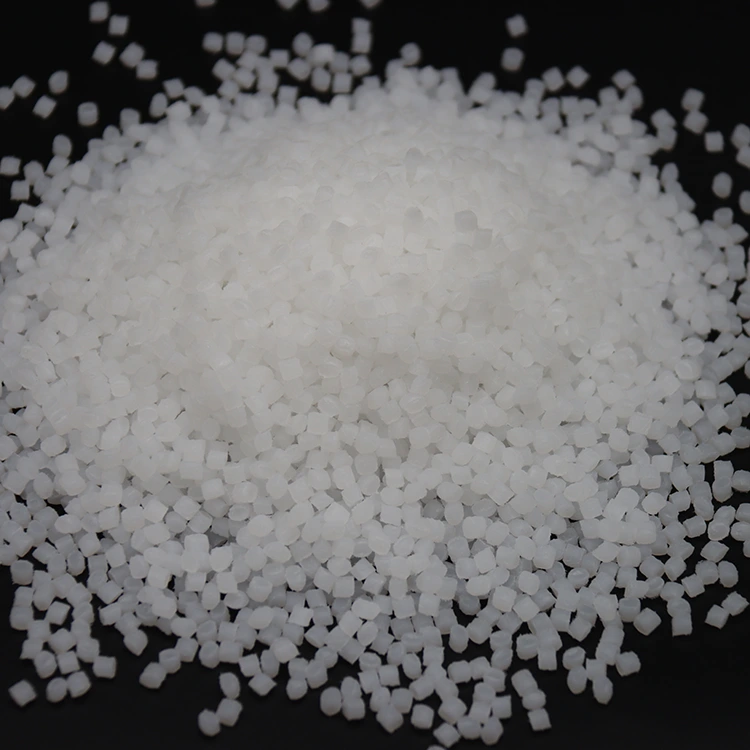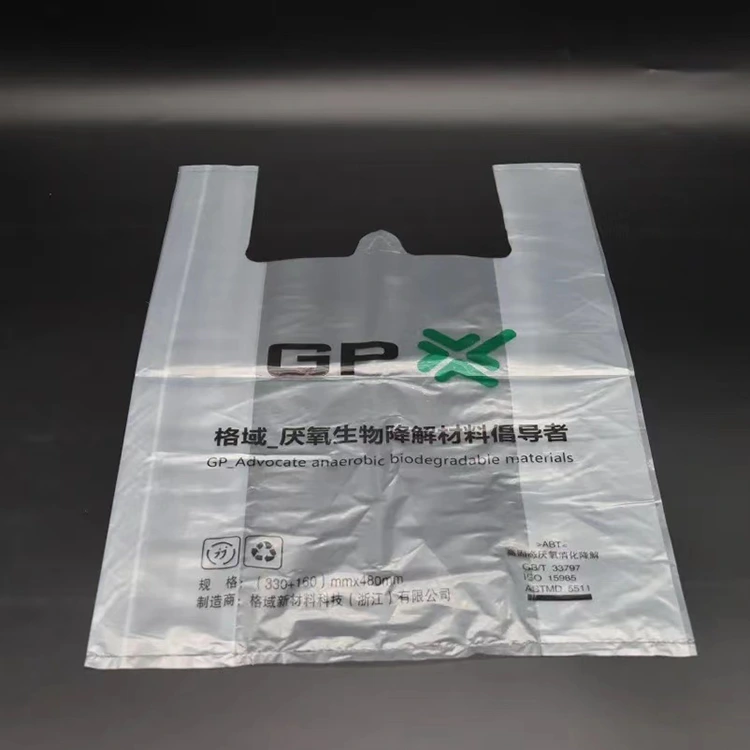

The rise of Biodegradable Plastic Bag Material is changing how the packaging industry approaches single-use products, as companies explore alternatives that balance convenience, performance, and environmental responsibility.
Single-use plastic bags have become one of the most visible symbols of plastic waste challenges. Their lightweight design, low production cost, and convenience have made them common in retail, food packaging, logistics, agriculture, and daily consumption. However, their short usage period and long persistence after disposal have encouraged industries to search for new material options.
Rather than completely removing plastic from modern life, the current trend is moving toward improving plastic materials themselves. Biodegradable polymers, recyclable materials, and advanced resin technologies are becoming part of a broader discussion about how future packaging systems can reduce environmental impact while maintaining practical functions.
Why Single-Use Plastic Bags Are Facing New Material Challenges
Plastic bags are designed for convenience, but this advantage also creates challenges after use. Many bags are used for only a short period before entering waste streams, where collection, sorting, and recycling can be difficult.
Flexible packaging materials are especially challenging because of their lightweight structure. Compared with rigid plastic products, thin films and bags often have lower recovery value and require more specialized recycling systems.
The packaging industry is therefore exploring multiple approaches:
- Improving traditional plastic recycling systems
- Increasing recycled content in packaging
- Developing compostable materials
- Creating biodegradable polymer technologies
- Designing products with better end-of-life pathways
Among these approaches, biodegradable plastic materials have attracted attention because they focus on changing the material itself.
How Biodegradable Plastic Bag Material Is Changing Packaging Concepts
Traditional polyethylene (PE) and polypropylene (PP) materials remain widely used because they provide excellent strength, flexibility, and processing performance. However, their resistance to natural degradation creates challenges when waste management systems cannot effectively collect and recycle them.
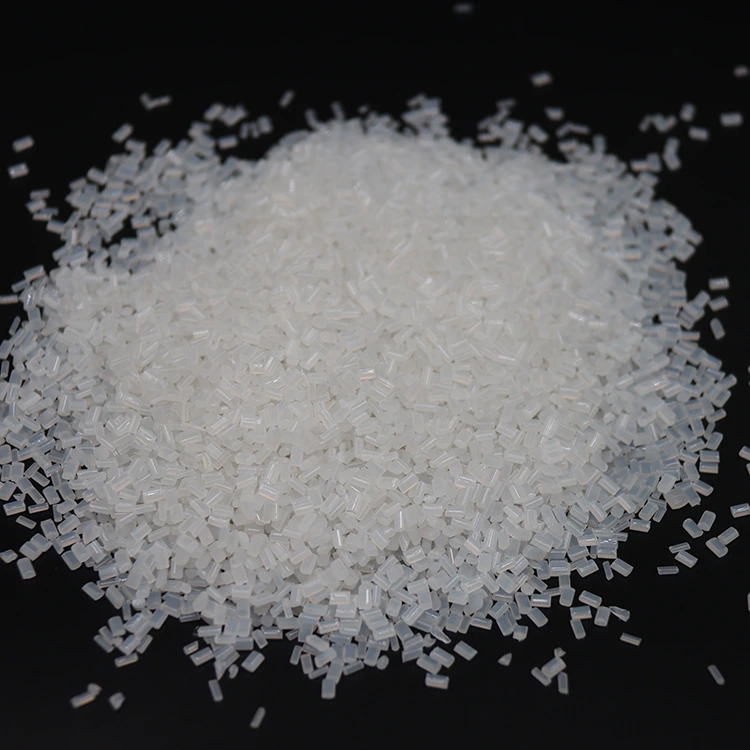
Biodegradable Plastic Bag Material is developed to provide an alternative option by using specially designed polymer systems that can interact with biological processes under specific conditions.
The goal is not simply making plastic disappear. A practical biodegradable material must still meet important packaging requirements:
| Performance Requirement | Why It Matters |
|---|---|
| Mechanical strength | Prevents tearing during transportation and use |
| Flexibility | Supports different bag designs and packaging formats |
| Processing compatibility | Allows integration with existing production methods |
| Stability during use | Ensures products perform before disposal |
| End-of-life characteristics | Determines environmental advantages after use |
This balance between performance and environmental considerations is one of the main reasons biodegradable materials continue to receive industry attention.
From Traditional Plastic Replacement to Material Innovation
A common misunderstanding is that biodegradable materials are expected to replace all conventional plastics immediately. In reality, the transition is more gradual.
Different industries have different material requirements. Some applications need long-term durability, high-temperature resistance, or exceptional chemical stability. In these cases, conventional plastics may continue to play an important role.
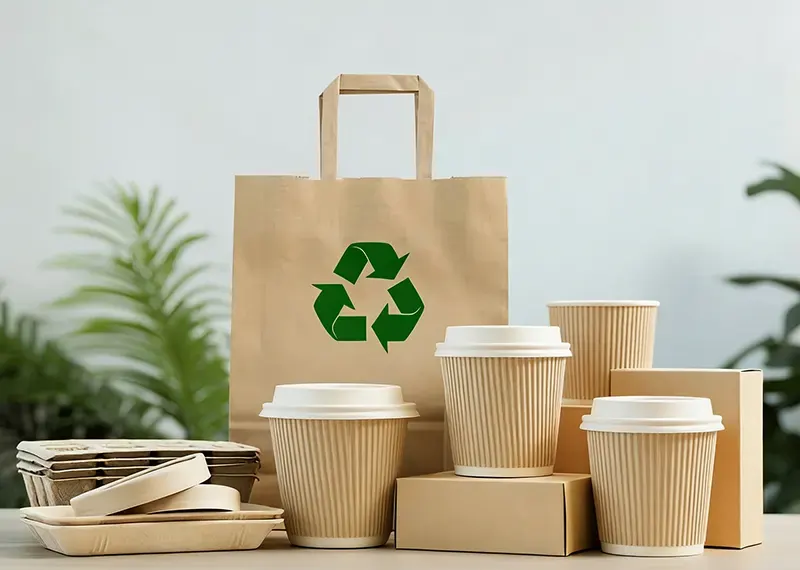
Single-use packaging is considered one of the areas with greater potential because products such as shopping bags, packaging films, and disposable bags generally have shorter service periods.
Researchers and material companies are therefore focusing on creating polymers that can provide similar usability while improving environmental performance.
The Role of Anaerobic Biodegradable Materials in Future Packaging
One developing area is anaerobic biodegradation technology. Unlike traditional degradation concepts that often focus on oxygen-rich environments, anaerobic biodegradation examines how materials behave in oxygen-limited conditions.
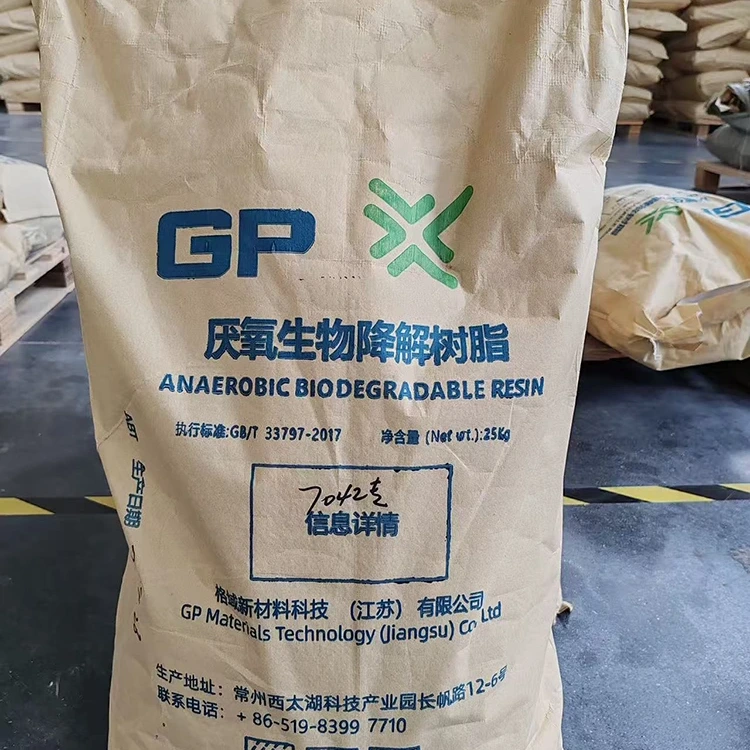
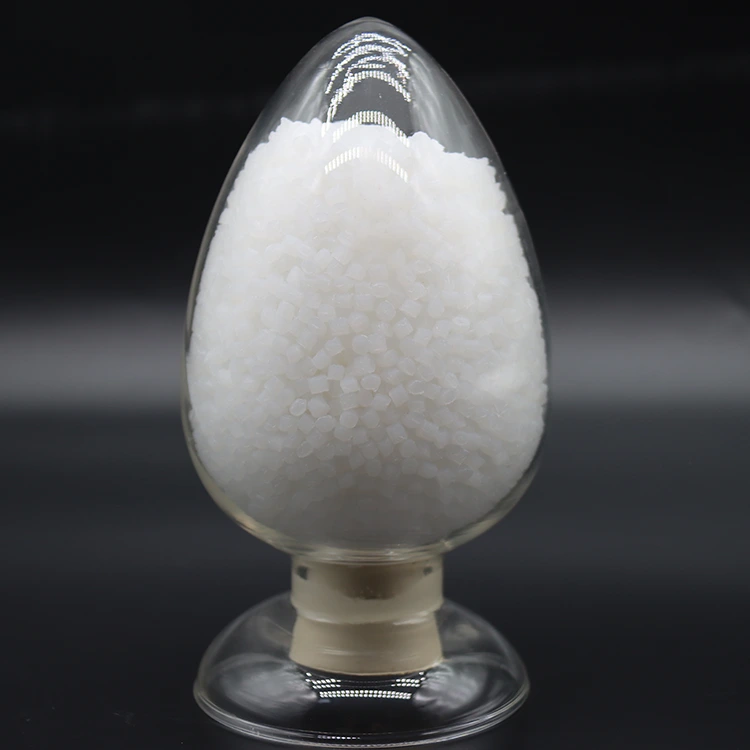
GP Materials Technology (Jiangsu) Co., Ltd. has focused on research and industrial development of anaerobic biodegradable resin particles. Located in Changzhou, Jiangsu Province, the company operates a facility covering approximately 17,500 square meters and has developed biodegradable material technologies covering polymer systems such as PP, PE, HDPE, LDPE, LLDPE, PVC, PET, and PA.
Through cooperation with East China University of Science and Technology, the company has established a joint laboratory supporting research from material development to industrial application.
The development of materials such as Biodegradable Plastic Bag Material reflects a broader industry movement toward improving the entire lifecycle of plastic products rather than focusing only on production.
What Factors Will Determine Future Adoption?
Although biodegradable packaging technologies are developing rapidly, several factors will influence how widely they are adopted.
1. Material Performance
Packaging must continue protecting products effectively. A bag that cannot meet strength, sealing, or storage requirements cannot provide a practical alternative.
2. Disposal Infrastructure
Biodegradable materials do not behave the same way in every environment. Temperature, moisture, microorganisms, and waste management systems can influence degradation performance.
3. Cost and Production Scale
Large-scale adoption requires materials that can achieve stable production and reasonable economic performance. Research continues to focus on improving manufacturing efficiency and reducing barriers to wider use.
4. Clear Standards and Testing
Reliable evaluation methods are important for understanding how biodegradable materials perform. Industry development depends on transparent testing, certification systems, and accurate environmental claims.
The Future of Single-Use Packaging May Be More Diverse
The future of packaging is unlikely to rely on only one material category. Instead, different materials may serve different purposes depending on application requirements, recycling systems, and environmental conditions.
Biodegradable materials may become increasingly important in areas where recycling is difficult or where short-term usage creates significant waste management pressure. At the same time, recycled plastics, reusable packaging, and improved collection systems will remain important parts of the overall solution.
The development of Biodegradable Plastic Bag Material represents a shift in thinking about single-use packaging. Instead of viewing plastic only as a waste problem, the industry is exploring how material science, production technology, and disposal strategies can work together.
As research continues, GP Materials Technology (Jiangsu) Co., Ltd. and other innovators in biodegradable resin technology are contributing to the ongoing development of more adaptable packaging materials for future applications.