Article Summary: Choosing Biodegradable Bags Materials is no longer only about replacing traditional plastic. Packaging buyers now need materials that can support real production speed, reliable bag strength, cost control, brand responsibility, and practical end-use performance. This article explains how buyers can evaluate biodegradable bag materials from a manufacturing and procurement perspective, including flexibility, tear resistance, application suitability, supplier capability, and long-term purchasing value.
Table of Contents
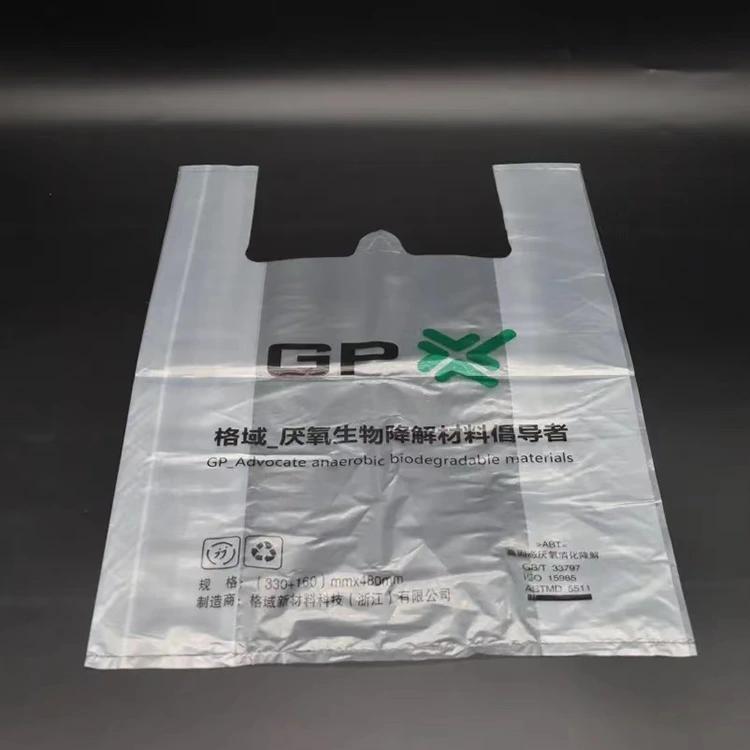
For many packaging companies, bag materials used to be a simple purchasing decision: choose a plastic resin, confirm thickness, test sealing, and compare the price. That buying logic has changed. Retailers, grocery chains, e-commerce brands, waste collection providers, and consumer product companies are all under pressure to reduce the long-term environmental burden of disposable and semi-disposable packaging.
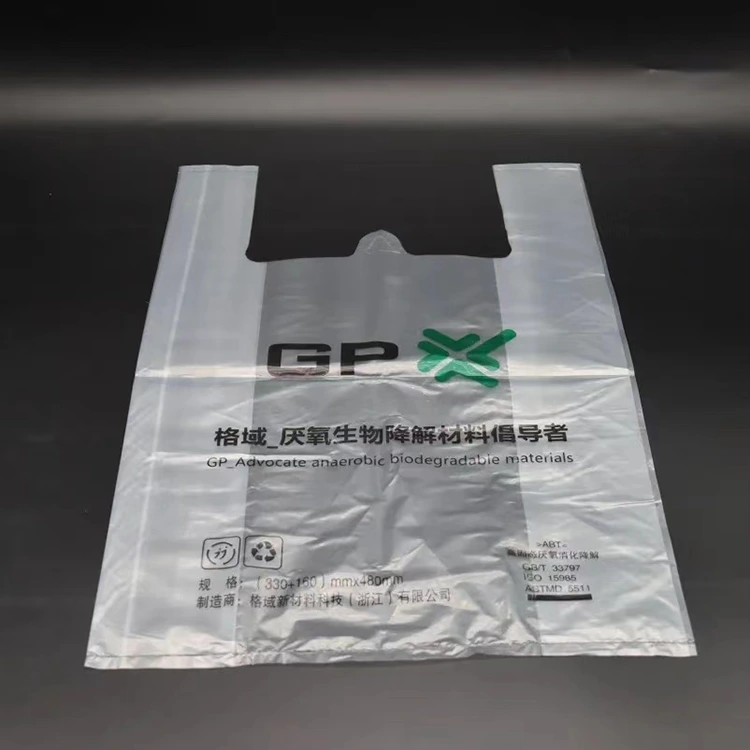
The challenge is that buyers cannot simply choose a material because it sounds environmentally friendly. A bag still has to work. It must carry products without splitting, survive handling during storage and transport, run smoothly on existing bag-making equipment, and meet the cost expectations of large-volume packaging orders. This is exactly where Biodegradable Bags Materials become a practical purchasing topic rather than a slogan.
For buyers, the real question is not whether biodegradable materials are attractive. The real question is whether they can deliver dependable performance in everyday commercial use. A grocery bag that tears too easily damages customer trust. A trash bag that leaks creates complaints. A retail bag that looks cloudy or weak may affect brand presentation. A material that slows down production may increase hidden costs even if the unit price looks acceptable.
That is why modern buyers need to evaluate biodegradable bag materials through a complete business lens: product performance, production efficiency, application fit, supplier stability, and long-term brand value.
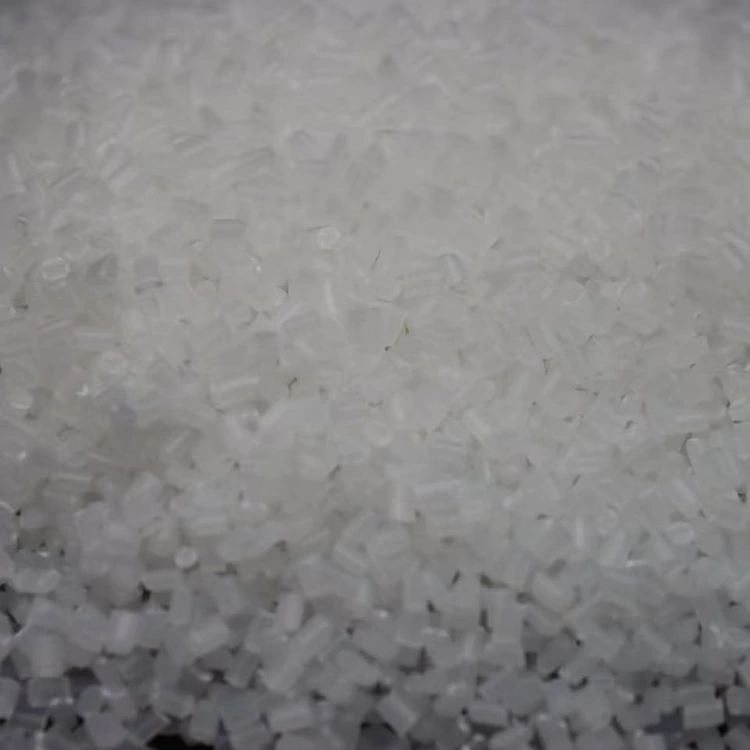
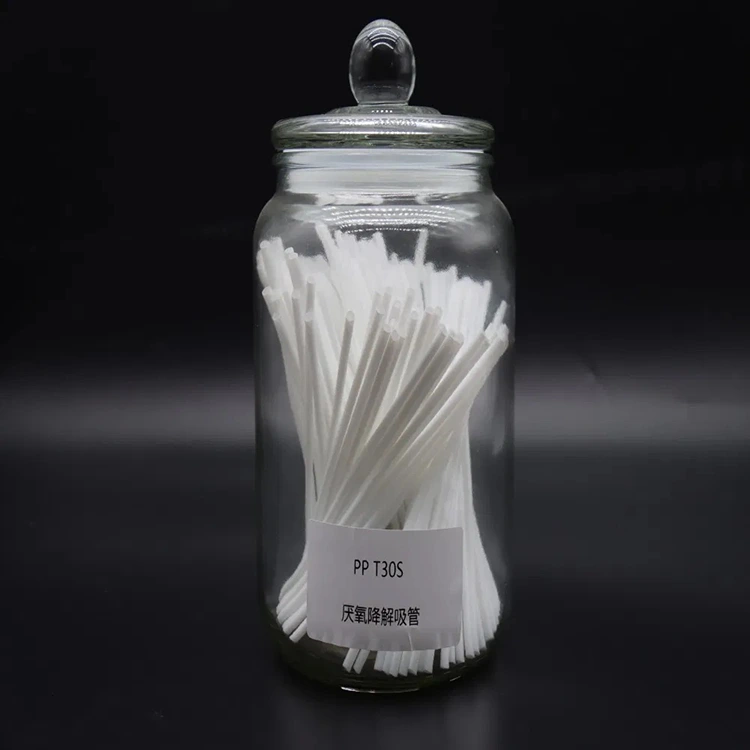
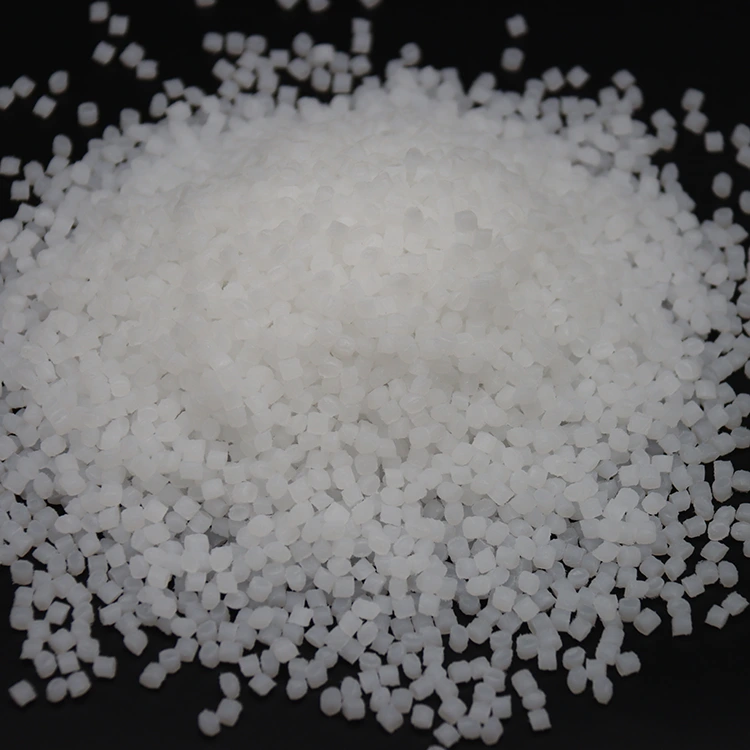
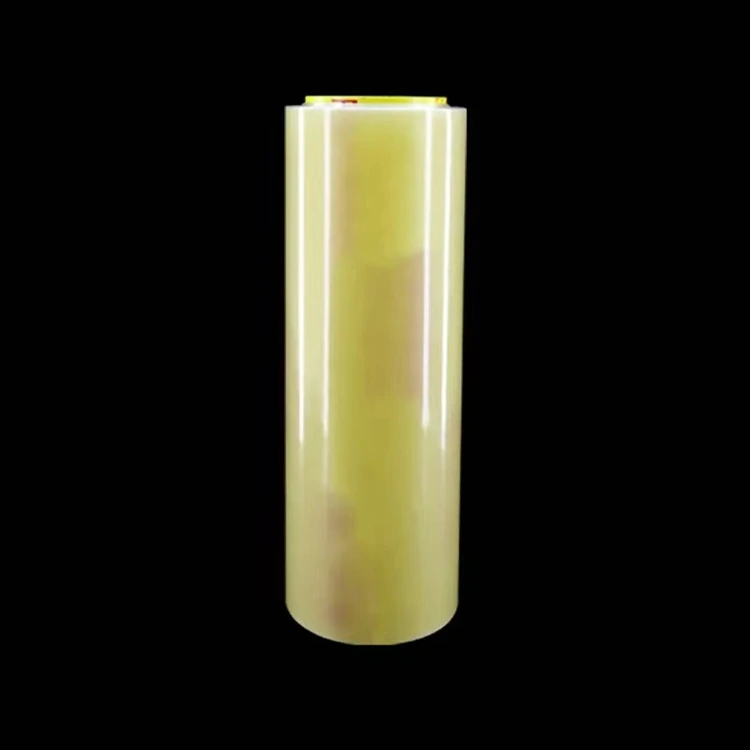
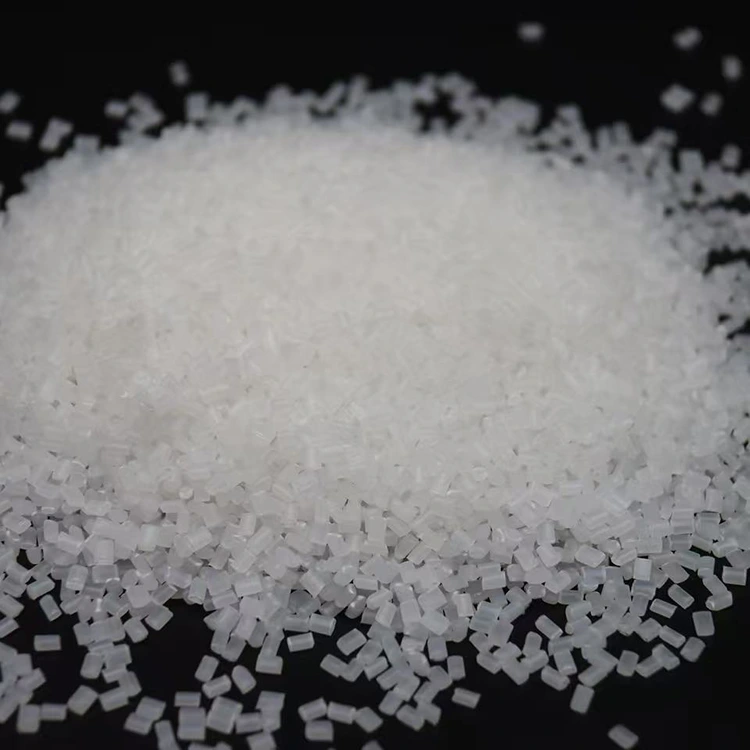
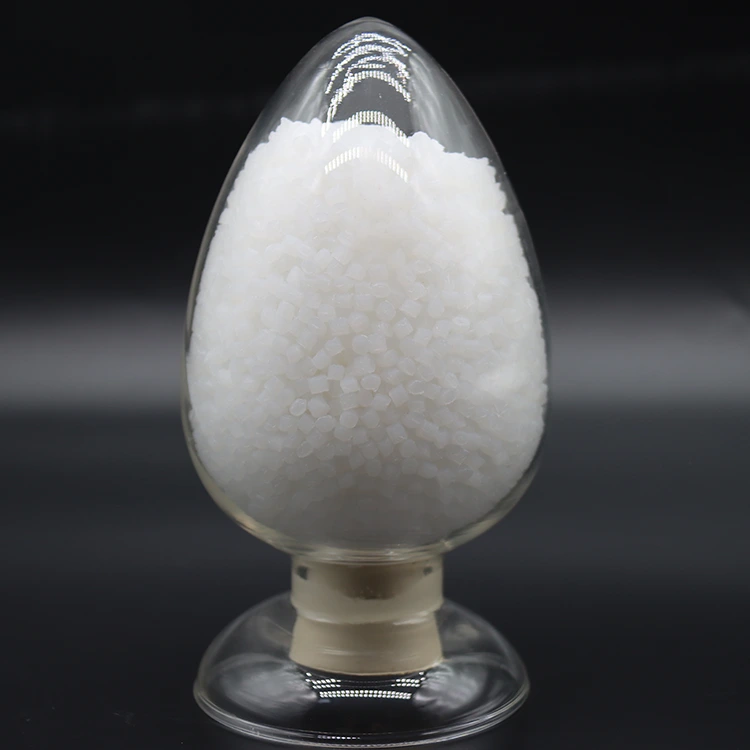
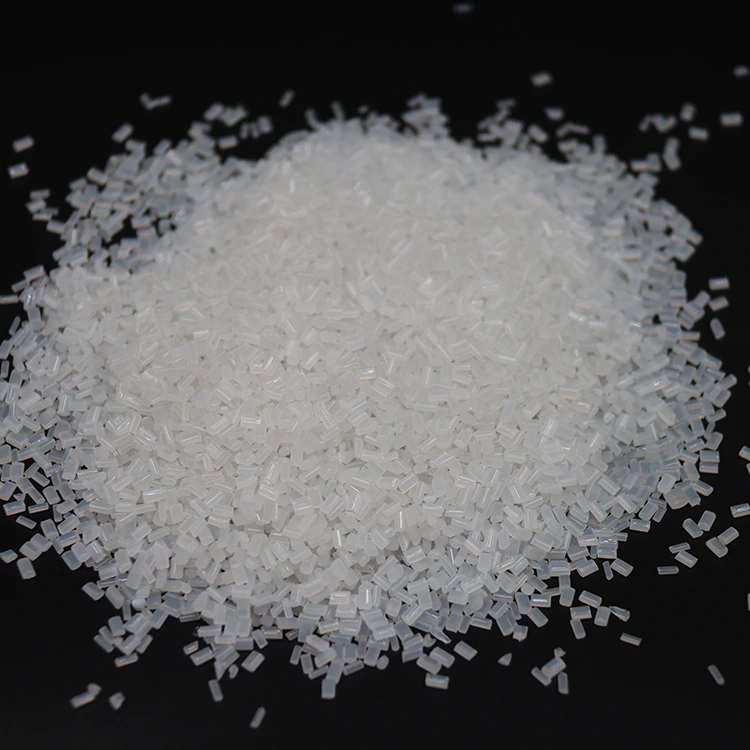
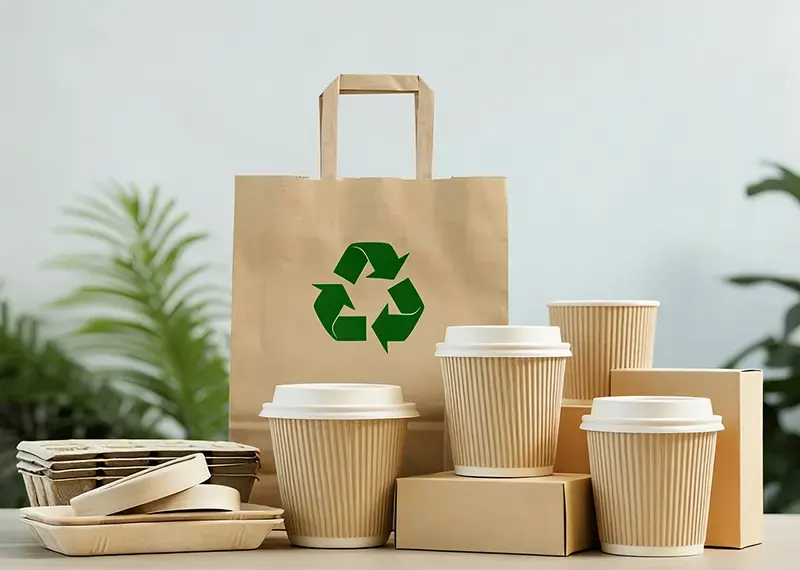
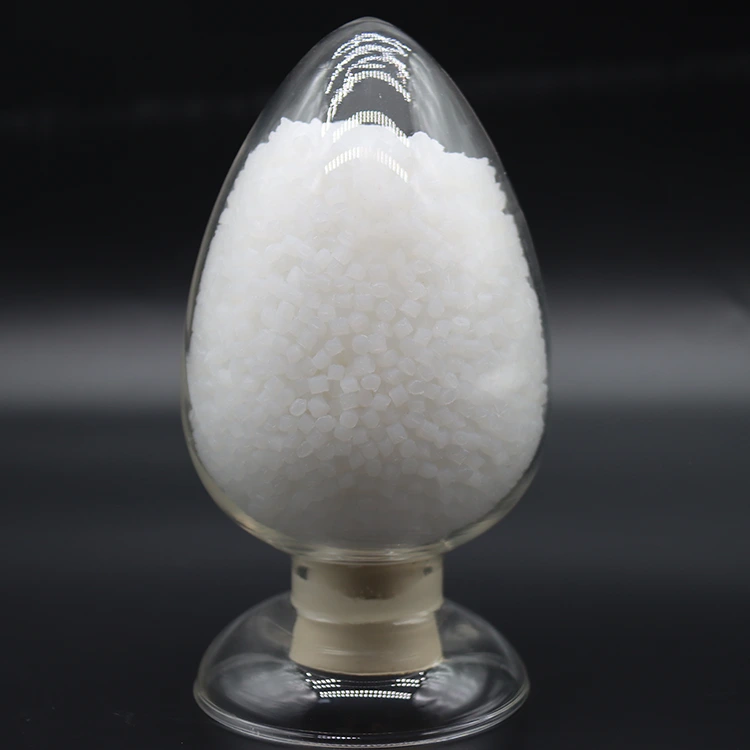
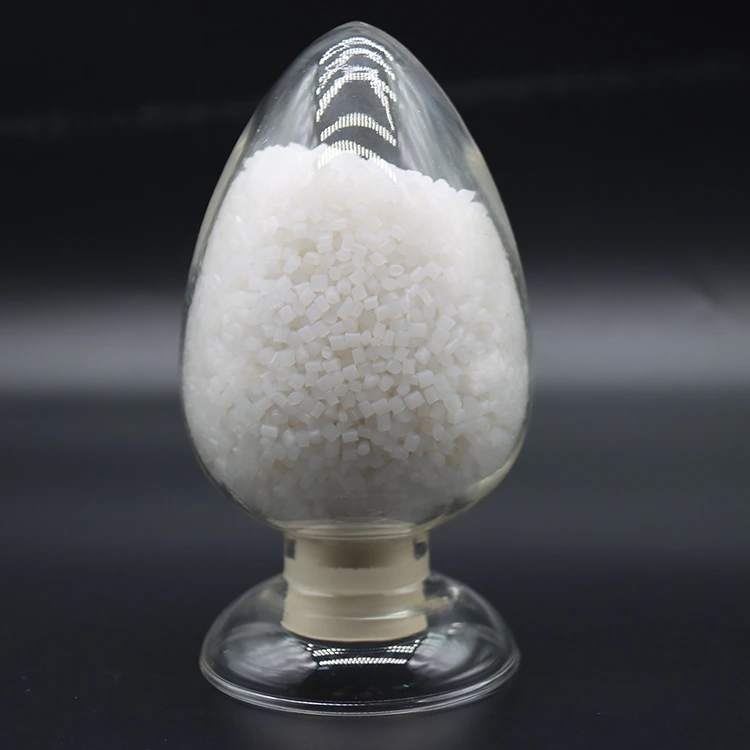
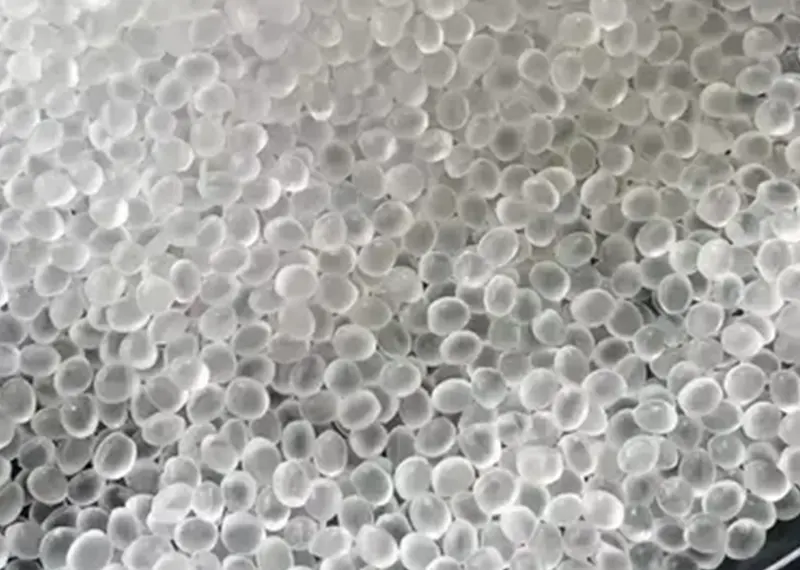
Biodegradable Bags Materials are materials developed for bag production with the goal of reducing long-term environmental impact while maintaining usable mechanical properties for commercial packaging. In practical terms, buyers expect these materials to support the production of shopping bags, retail bags, waste collection bags, reusable packaging bags, and other flexible bag products.
GP Materials Technology (Jiangsu) Co., Ltd. focuses on biodegradable material solutions for manufacturers and packaging buyers who need a balance between environmental responsibility and industrial usability. Instead of treating biodegradability as the only selling point, the material choice should also consider flexibility, tear resistance, processing compatibility, and the final bag’s real working environment.
This matters because bag materials are exposed to repeated stress. During production, the material may go through extrusion, film formation, cutting, sealing, folding, punching, printing, and packing. During use, the finished bag may carry sharp-edged products, oily contents, wet waste, groceries, textiles, or outdoor items. A material that performs well in a sample sheet but fails during bag conversion is not a good purchasing decision.
For procurement teams, this means material evaluation should include not only environmental claims but also mechanical consistency, production behavior, storage stability, and suitability for the intended bag type.
Most buyers considering Biodegradable Bags Materials are trying to solve several pain points at the same time. They want to move toward greener packaging, but they do not want new problems in production, customer complaints, or unpredictable material behavior. The best material choice should reduce friction across the full packaging chain.
First, buyers need strength that feels reliable. A finished bag must resist tearing during filling, lifting, and transport. For shopping bags and reusable bags, handle strength is especially important. For trash bags, puncture resistance and bottom-seal reliability matter more. A biodegradable material must be selected according to how the bag will actually be used, not only according to a general material description.
Second, buyers need flexibility without a weak feel. Some materials may feel stiff, noisy, or brittle if they are not properly matched to the bag application. Flexible bag materials need to fold, stretch, and move naturally during use. Good flexibility also helps bags perform better during packing and distribution because the material can absorb handling stress without cracking or splitting.
Third, manufacturers need production compatibility. A material that requires major equipment changes can create cost pressure. Buyers often prefer materials that can work with familiar bag-making processes and help factories maintain stable production speed. This is especially important for companies producing large quantities of retail bags, garbage bags, grocery bags, or customized packaging bags.
Fourth, brands need a material story that customers can understand. Consumers increasingly notice packaging choices. When a brand uses more responsible bag materials, it can support a cleaner and more future-facing image. However, customers still judge the bag by touch, appearance, and performance. If the bag looks poor or fails easily, the environmental message loses credibility.
Fifth, procurement teams need predictable supply. Material selection is not only a technical decision. It is also a supply chain decision. A buyer needs clear communication, stable quality, bulk order capability, and support when adjusting material grades for different bag types.
Not every bag uses the same material logic. A transparent shopping bag, a trash bag, a reusable retail bag, and an outdoor-use bag may all belong to the biodegradable bag category, but they have different performance priorities. Buyers should avoid choosing one material for every scenario without testing the final application.
This is where GP Materials Technology (Jiangsu) Co., Ltd. can be positioned as more than a raw material source. For packaging buyers, the value of a supplier increases when the supplier understands how different bag applications create different technical requirements.
For example, a buyer sourcing material for transparent shopping bags may care more about appearance and clarity. A buyer making waste collection bags may focus on tear resistance and sealing. A buyer serving outdoor retail may need a more durable material structure. These differences should be discussed before confirming a bulk order.
Choosing the right supplier for Biodegradable Bags Materials is not only about finding a low price. Low-cost material that causes unstable production, inconsistent film quality, weak sealing, or customer complaints can become expensive very quickly. A practical supplier should help buyers reduce risk before, during, and after purchasing.
Buyers should look for a supplier that can answer application-based questions clearly. What type of bag will be produced? What thickness range is expected? Will the bag be printed? Will it carry food, retail items, household waste, or industrial goods? Will the finished product be stored indoors or exposed to outdoor conditions? Does the buyer need raw material only, or would a finished bag solution also be useful?
A reliable material partner should also support sample evaluation and technical communication. In many cases, the first material grade may need adjustment after film testing or bag conversion trials. This does not mean the material is poor. It means the supplier and buyer are refining the material for the real production environment.
GP Materials Technology (Jiangsu) Co., Ltd. is relevant for buyers who want biodegradable bag material options as well as broader biodegradable material support. For buyers trying to simplify procurement, working with a supplier that understands both raw material requirements and finished bag performance can reduce communication gaps between purchasing, production, and product development teams.
| Buyer Concern | Why It Matters | What to Check Before Ordering |
|---|---|---|
| Flexibility | The bag must bend, fold, and handle stress without cracking or feeling too rigid. | Test sample film under real filling, packing, and carrying conditions. |
| Tear Resistance | Weak tear resistance can cause bag failure during customer use or transport. | Check handle strength, bottom seal strength, and puncture behavior. |
| Processing Stability | Factories need materials that support efficient conversion and stable output. | Confirm compatibility with existing film and bag-making equipment. |
| Application Fit | Shopping bags, trash bags, reusable bags, and outdoor bags have different needs. | Match material grade with load, storage, appearance, and use environment. |
| Supplier Support | Technical support can reduce trial-and-error costs during production. | Ask about sample testing, bulk supply, customization, and communication process. |
| Brand Value | Better material choices can support a responsible packaging image. | Evaluate appearance, touch, performance, and customer-facing positioning together. |
This comparison shows why buyers should not judge biodegradable bag materials by one feature alone. A low-cost option may not be the best choice if it creates production delays. A strong material may not be ideal if it lacks the right appearance for retail packaging. The best option is the one that fits the buyer’s application, equipment, target market, and quality expectations.
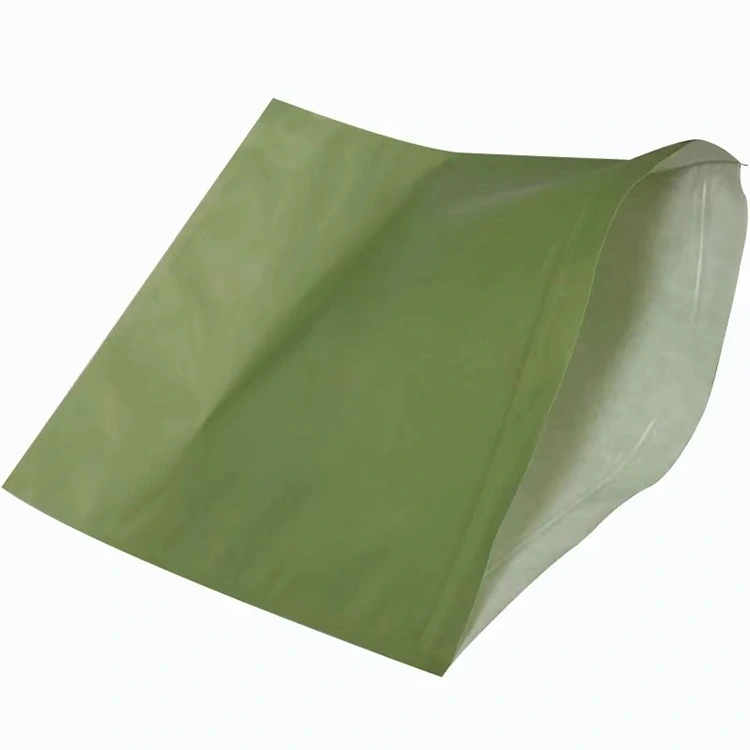
Before placing a bulk order for Biodegradable Bags Materials, buyers should slow down and confirm a few practical details. This step protects both the purchasing team and the production team from avoidable problems.
For buyers working with GP Materials Technology (Jiangsu) Co., Ltd., this checklist can make communication more efficient. Instead of asking only for a general quotation, buyers can share the intended application, technical requirements, and order expectations. This helps the supplier recommend a more suitable material direction from the beginning.
They can be, when the material is selected according to the final bag application. Buyers should test flexibility, tear resistance, sealing strength, and load-bearing performance before bulk purchasing.
Yes, biodegradable bag materials can be considered for trash bag applications, but the buyer should pay close attention to puncture resistance, leak control, bottom sealing, and performance with wet or irregular waste.
They can be suitable for retail shopping bags when appearance, touch, handle strength, and printing compatibility are properly evaluated. Retail bags need both performance and customer-facing presentation.
Not always. Many buyers prefer materials that can work with familiar bag-making processes. However, equipment compatibility should be confirmed through samples and production trials before large-scale use.
If the buyer has mature production capacity, raw materials may be preferred. If the buyer wants a simpler sourcing process or needs support for final bag supply, discussing finished bag solutions with the supplier may be more efficient.
Different bags require different material priorities. Clear communication about application, thickness, strength, appearance, storage, and production method helps reduce testing time and purchasing risk.
Biodegradable Bags Materials are becoming a practical choice for packaging buyers who need to respond to environmental expectations without sacrificing bag performance. The key is to evaluate the material as part of a complete packaging system. Strength, flexibility, tear resistance, processing stability, appearance, application suitability, and supplier support all matter.
For manufacturers and brands, the right material can help create bags that feel reliable in daily use while supporting a more responsible packaging direction. For procurement teams, the right supplier can reduce uncertainty by offering material knowledge, application support, bulk order capability, and clearer communication throughout the purchasing process.
GP Materials Technology (Jiangsu) Co., Ltd. provides biodegradable material solutions for buyers seeking practical alternatives for modern bag production. Whether the goal is retail packaging, grocery bags, trash bags, reusable bags, or customized biodegradable bag applications, the buying decision should begin with the final use scenario and end with verified production performance.
Looking for a dependable material solution for your next biodegradable bag project? Contact GP Materials Technology (Jiangsu) Co., Ltd. to discuss your application, sample needs, bulk order plan, or customized material requirements. For purchasing support and product consultation, please contact us today.