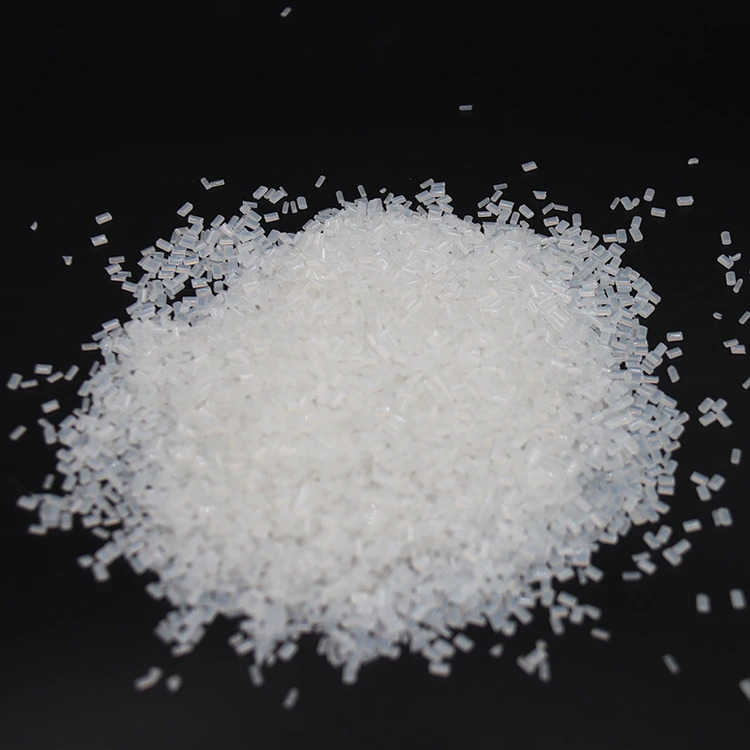
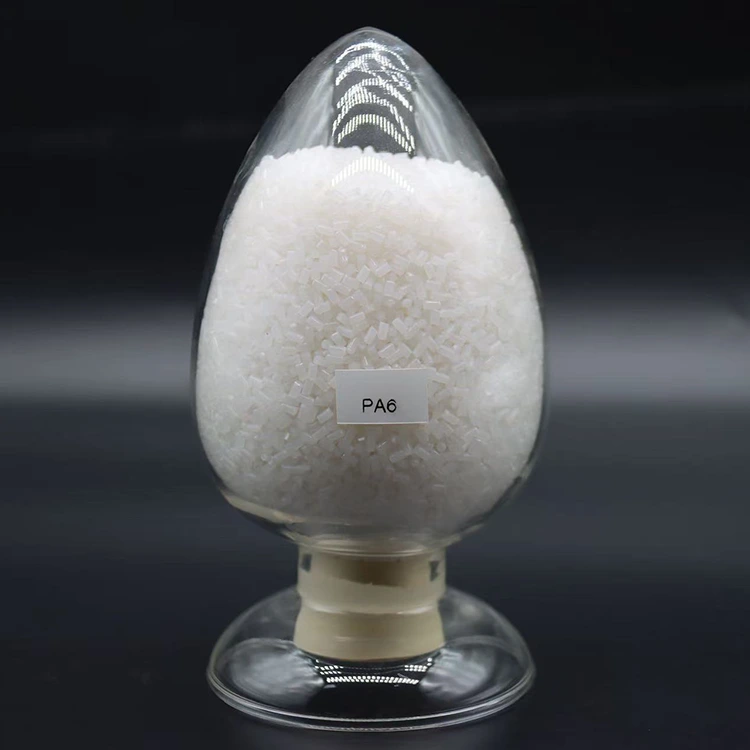
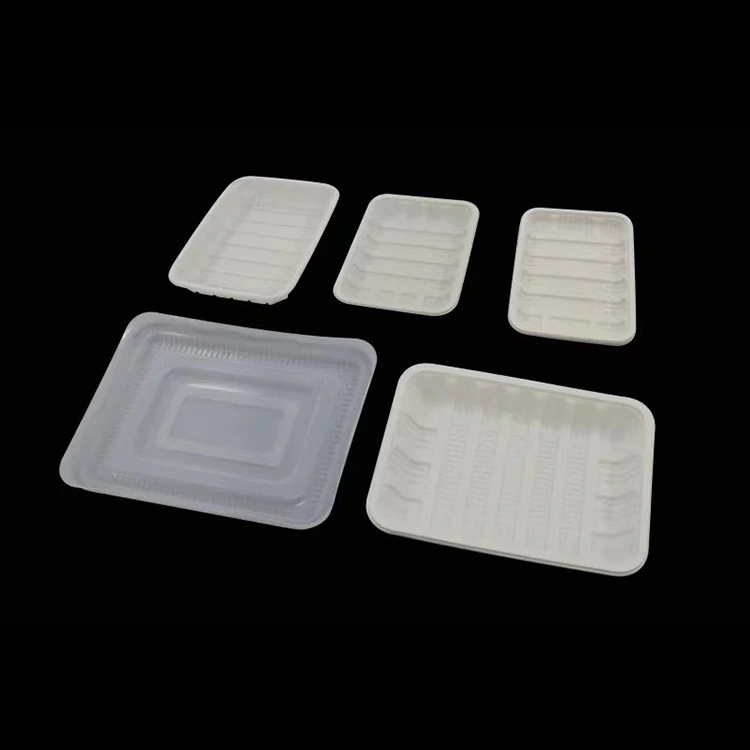
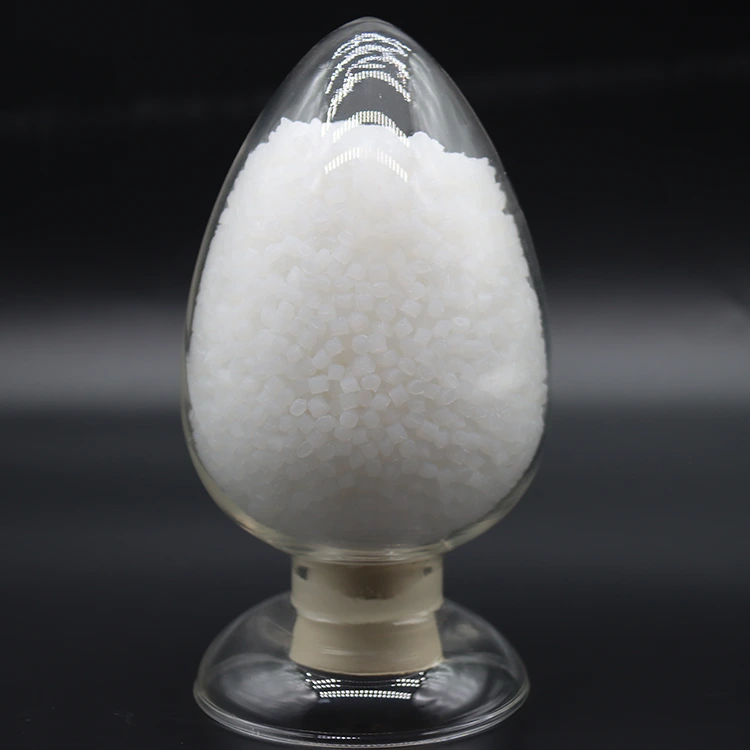
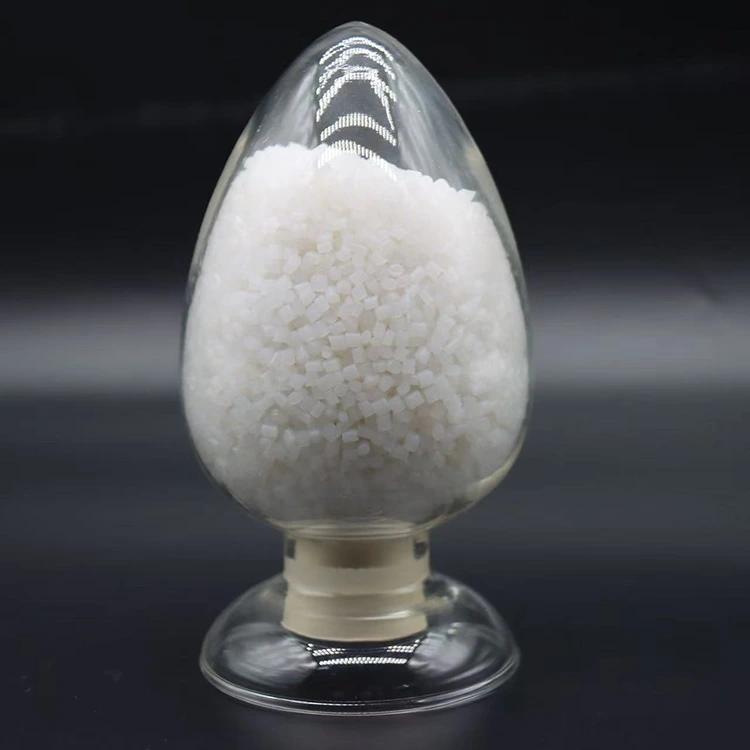
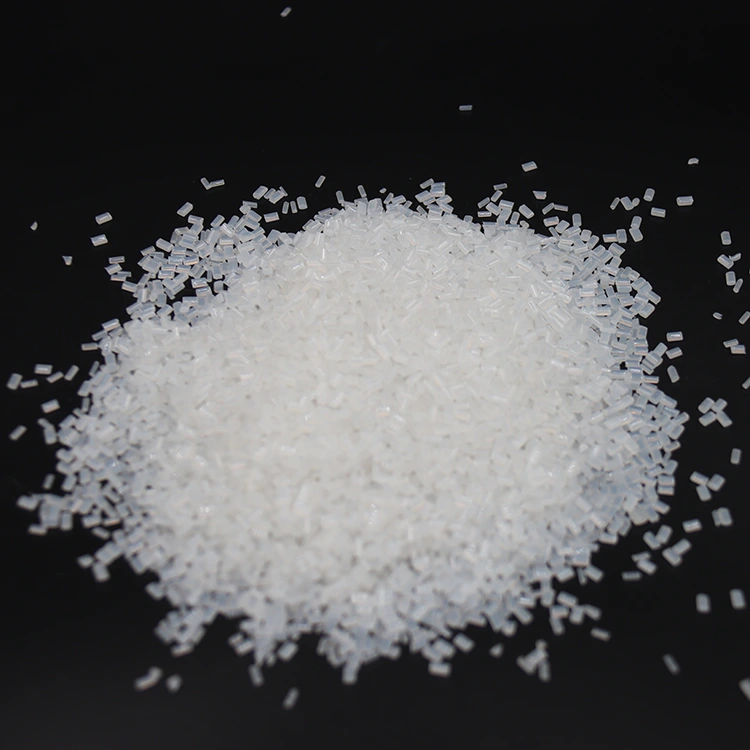
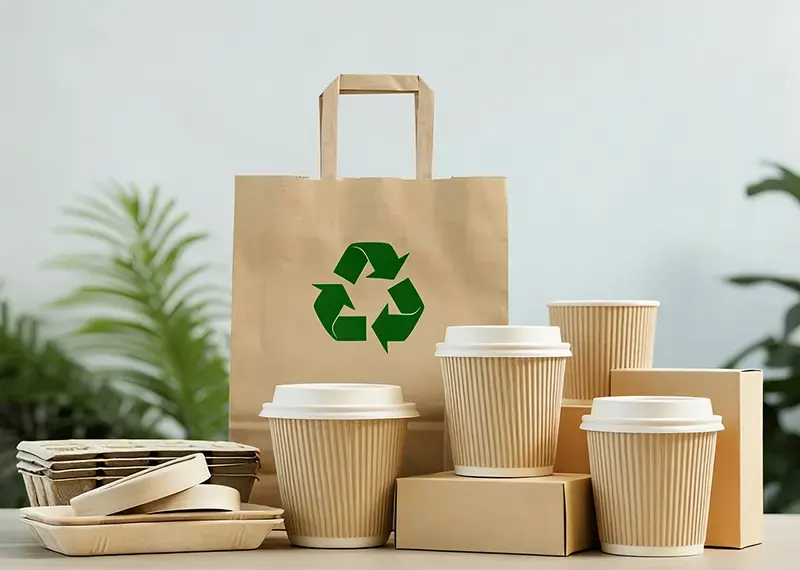
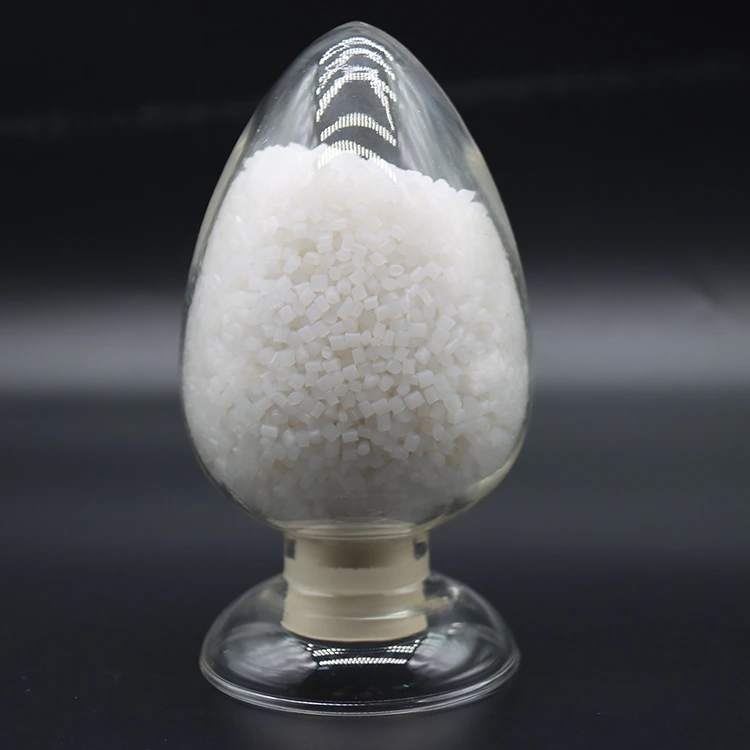
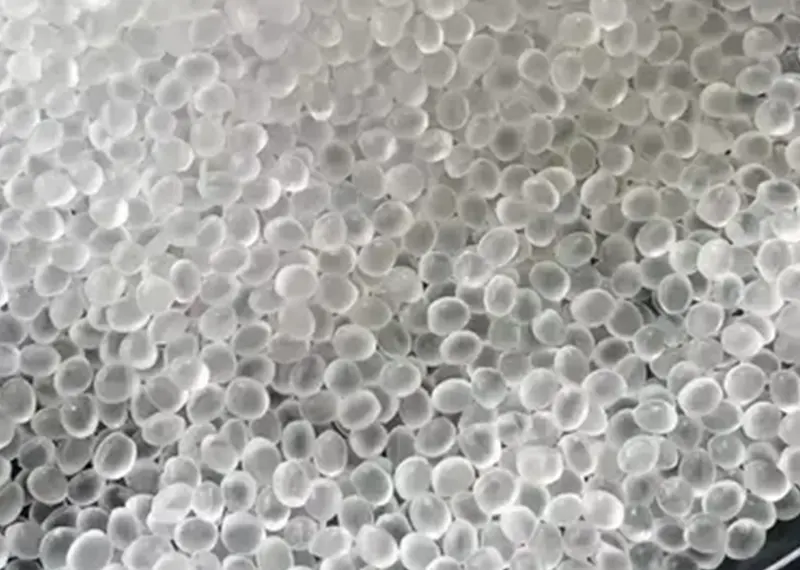
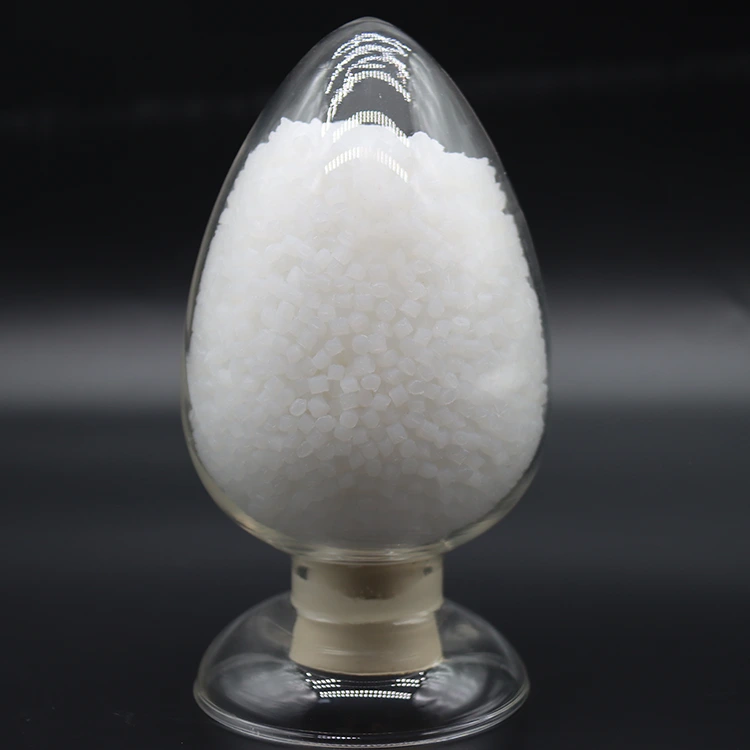
While recycling aims to keep materials in a technical loop, biodegradable raw material particles offer a complementary, biological solution. These particles are sourced from renewable, often plant-based polymers like polylactic acid (PLA), polyhydroxyalkanoates (PHA), or starch-blends. They are engineered to break down completely into water, carbon dioxide, and biomass under specific environmental conditions—typically in industrial composting facilities or, for some advanced formulations, in soil or marine environments.
The key distinction of these particles is their end-of-life destination. Products made from them—such as certain food service ware, agricultural films, or hygiene products—are designed for situations where collection and recycling are impractical or contaminated. After use, instead of persisting for centuries, they can be processed in a composting facility, where microorganisms consume them as a food source, returning valuable nutrients to the earth and completing a natural cycle. This addresses the critical problem of plastic pollution, particularly for single-use items that often escape waste management systems.
However, the effective use of biodegradable raw material particles requires a matched infrastructure and clear consumer education. They are not a license to litter, as optimal degradation requires specific conditions not always found in natural environments. Their promise is realized in a systemic shift: creating products that align with biological cycles, reducing long-term environmental burden, and offering a viable end-of-life solution for applications where traditional plastics have proven problematic. They represent a conscious choice to design products that are, from particle to product, part of nature’s metabolism.
We use cookies to offer you a better browsing experience, analyze site traffic and personalize content. By using this site, you agree to our use of cookies.Privacy Policy