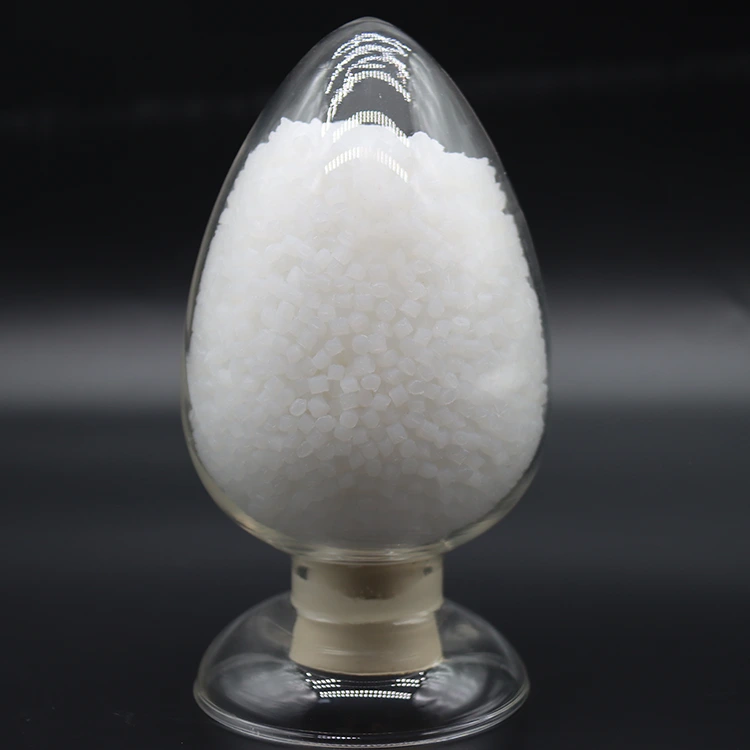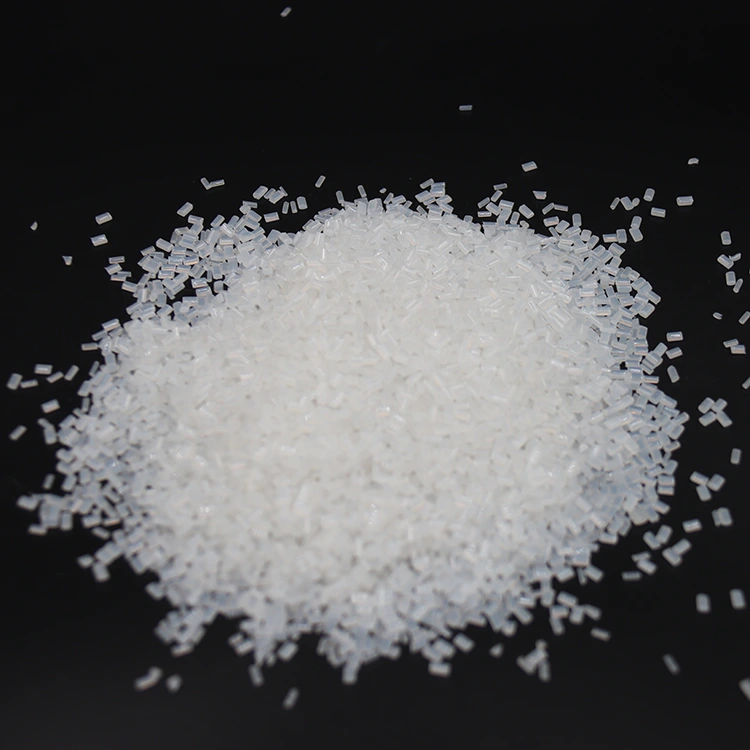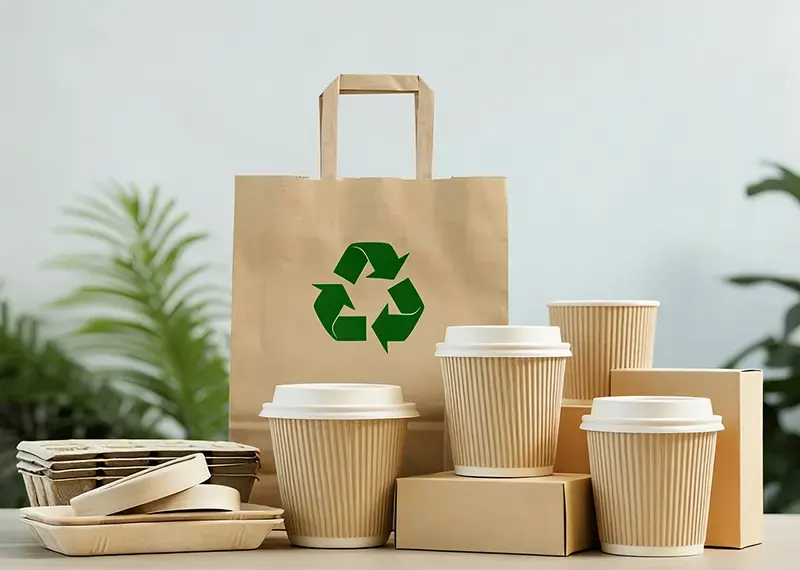
Many brands want greener packaging, but they still worry about strength, shelf appearance, sealing performance, processing stability, and cost control. This article explains how Biodegradable Packaging Materials help packaging manufacturers and brand owners respond to plastic reduction pressure without treating sustainability as a marketing slogan only. It also discusses key selection factors, common applications, purchasing concerns, and practical ways to evaluate whether a biodegradable material is suitable for films, protective packaging, food-related packaging, daily-use goods, and industrial packing needs.
For companies searching for a reliable material partner, GP Materials Technology (Jiangsu) Co., Ltd. provides material solutions designed for packaging manufacturers that need both environmental responsibility and real production compatibility.
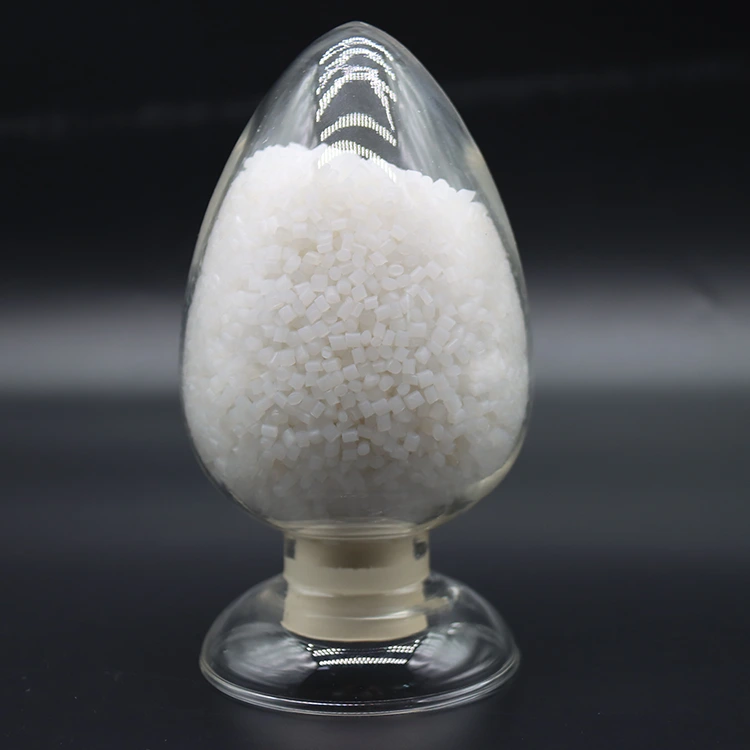
Packaging buyers are under pressure from several directions at the same time. Retailers want cleaner packaging stories. End users are more aware of plastic waste. Importers may face stricter packaging requirements in different markets. Brand owners also need packaging that looks responsible without creating new problems in logistics, storage, or product protection.
The difficult part is that packaging is never just decoration. It must protect the product, survive transport, resist moisture when needed, keep its shape on the shelf, and run efficiently on production equipment. A material that sounds environmentally attractive but performs poorly can create product damage, returns, complaints, and higher total cost.
This is why Biodegradable Packaging Materials are becoming more important. Buyers are not simply looking for a “green” label. They want packaging materials that can support real production, stable supply, and reliable product protection while reducing long-term environmental burden.
In practical purchasing, the best material is not always the cheapest one on paper. It is the one that keeps the package functional, reduces waste risk, and fits the manufacturer’s production process with fewer adjustments.
Ordinary plastic packaging is widely used because it is light, flexible, strong, and easy to process. The problem is that many conventional plastic products remain in the environment for a long time after disposal. When packaging is used once and discarded quickly, this creates a serious mismatch between product life and material persistence.
Biodegradable Packaging Materials are designed to offer packaging functions while supporting a more responsible end-of-life direction under suitable disposal conditions. Their purpose is not to remove every challenge in packaging overnight. Their value lies in giving manufacturers a better material route for products where disposable or short-life packaging is difficult to avoid.
For packaging producers, the key question is not only whether a material can degrade. The real question is whether it can be processed into usable packaging with stable thickness, acceptable sealing, reliable strength, and consistent appearance. A good biodegradable material should support both environmental goals and manufacturing reality.
GP Materials Technology (Jiangsu) Co., Ltd. focuses on biodegradable material solutions for packaging-related applications, helping manufacturers consider strength, flexibility, processing stability, and application adaptability together rather than treating them as separate issues.
Buyers often hesitate before switching materials because they have seen cases where alternative packaging looked promising during sampling but failed during mass production. The concerns are reasonable. Packaging buyers need answers to practical questions before they can make a confident decision.
Well-developed Biodegradable Packaging Materials help reduce these concerns by matching material properties with actual packaging use. For example, flexible packaging needs different performance from protective air column packaging. Food-related film has different priorities from industrial stretch film. A responsible material decision starts with the final application, not with a generic product name.
Biodegradable materials are not limited to one packaging format. They can be considered for multiple packaging categories depending on formula design, processing method, product requirements, and disposal expectations. The most suitable application should be selected after evaluating thickness, flexibility, tensile strength, heat sealing, water resistance, transparency, and storage conditions.
Common application directions include:
The point is not to force one material into every situation. The better approach is to identify the product’s use environment first. Will the package face moisture? Will it be stretched? Will it be heat sealed? Will it be stacked in cartons? Will it be displayed in retail stores? These details determine whether a biodegradable solution is truly suitable.
A structured comparison helps buyers avoid vague claims. Before requesting a quotation, purchasing teams should prepare basic application details, target packaging type, required performance, expected order volume, and any special market requirements. This allows the supplier to recommend a material more accurately.
| Buyer Concern | What to Check | Why It Matters | Recommended Purchasing Action |
|---|---|---|---|
| Strength and toughness | Tensile strength, puncture resistance, elongation, load-bearing behavior | Weak packaging can cause breakage, product loss, and customer complaints | Request samples based on the real packaging thickness and use scenario |
| Processing stability | Compatibility with film blowing, extrusion, sealing, or molding processes | Unstable processing increases downtime and production waste | Discuss equipment type, temperature range, and processing speed before ordering |
| Water resistance | Moisture exposure, storage environment, and product sensitivity | Packaging may fail if it softens, leaks, or loses sealing strength too early | Match material choice with actual storage and transportation conditions |
| Appearance | Transparency, surface smoothness, color stability, print adaptability | Retail buyers need packaging that supports brand image and shelf confidence | Evaluate finished packaging samples instead of judging raw material only |
| Cost control | Material price, processing yield, defect rate, and packaging weight | Low unit price may not mean lower total cost if production loss is high | Calculate total packaging cost after trial production, not just raw material price |
| Supplier reliability | Production capacity, quality control, technical support, and delivery stability | Large buyers need repeatable quality across multiple batches | Choose a supplier that can support testing, adjustment, and long-term orders |
This comparison method is especially useful for buyers who are switching from conventional plastic to Biodegradable Packaging Materials for the first time. It keeps the decision focused on actual packaging performance rather than broad environmental claims.
Some buyers start by asking for the lowest price per kilogram. That is understandable, but it can be risky. A packaging material is not just a commodity when it needs to meet production and market requirements. If the material is inconsistent, too difficult to process, or poorly matched to the application, the buyer may lose more money through waste, machine adjustment, delayed delivery, and rejected finished goods.
A capable supplier should be able to discuss more than price. The supplier should understand packaging forms, production conditions, and material behavior. For example, materials for inflatable protective packaging require different performance from materials used for thin food wrap. Stretch film materials need load stability and flexibility. Disposable packaging materials may need a balance of hygiene, touch feel, and shape retention.
GP Materials Technology (Jiangsu) Co., Ltd. supports packaging manufacturers by focusing on material practicality, not only environmental positioning. For buyers, this matters because the final goal is not to purchase a fashionable material. The final goal is to produce packaging that customers can actually use with confidence.
A strong material supplier should help buyers answer three questions clearly: Can this material meet the application? Can it run in production with acceptable stability? Can the supplier maintain consistent quality when the order volume increases?
Switching materials should be handled as a controlled project, not a sudden replacement. Even when a biodegradable material is promising, manufacturers should test it carefully under real production conditions. The more complex the packaging, the more important the trial process becomes.
A practical introduction process may include:
This step-by-step method helps manufacturers reduce risk. It also helps purchasing teams communicate better with technical teams, production managers, and brand customers. When everyone evaluates the same finished packaging result, the decision becomes clearer.
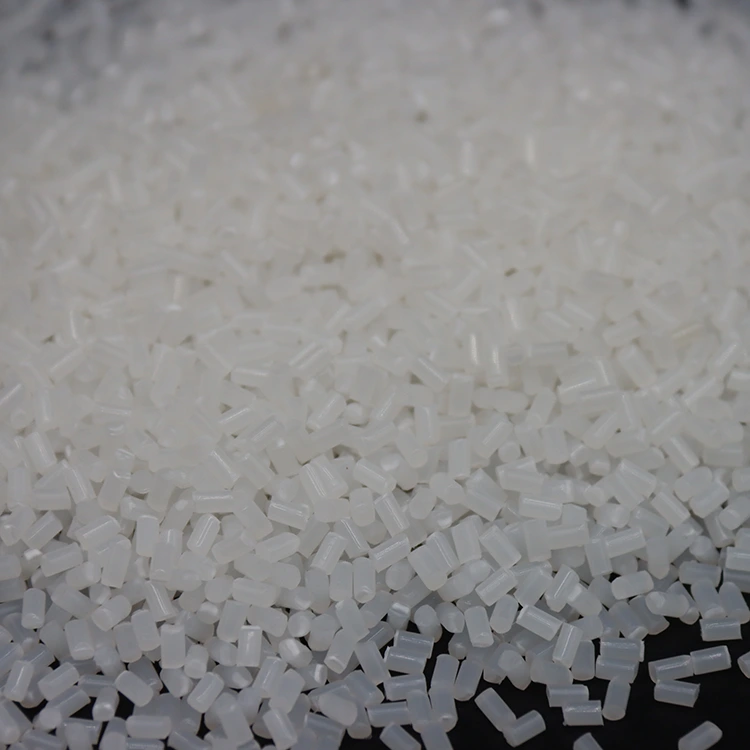
The value of Biodegradable Packaging Materials is not limited to environmental improvement. They can also help companies strengthen their position with buyers who care about responsible sourcing, waste reduction, and future-ready packaging. For exporters, sustainable packaging can support communication with international customers. For manufacturers, it can open opportunities in product lines that require greener material choices.
Another important benefit is differentiation. Many packaging products look similar in a crowded market. When a manufacturer can offer packaging made with more responsible materials while maintaining practical performance, it becomes easier to approach brand owners, distributors, retailers, and industrial buyers that are looking for better options.
Of course, material selection must remain realistic. Not every biodegradable material fits every package. But when the application is correctly matched, the result can support both business growth and responsible product development.
Q1: Are Biodegradable Packaging Materials strong enough for transport packaging?
They can be, depending on the formula and application. Protective packaging, stretch film, and air column packaging require specific strength and flexibility. Buyers should test samples under real packing and shipping conditions before mass production.
Q2: Can biodegradable materials be used on existing packaging equipment?
In many cases, they can be adapted to existing or adjusted production systems. However, processing temperature, speed, sealing conditions, and product thickness should be confirmed through trial production.
Q3: Are Biodegradable Packaging Materials suitable for food-related packaging?
They may be suitable for selected food-related applications, but the buyer should confirm hygiene requirements, moisture behavior, sealing performance, and applicable market standards before use.
Q4: How can buyers reduce the cost of switching materials?
Buyers can reduce cost risk by choosing the right grade, optimizing packaging thickness, improving processing yield, and testing small batches before large-scale purchasing.
Q5: What information should I provide before requesting a quotation?
It is helpful to provide the packaging type, target thickness, production process, required performance, application environment, order volume, and any special requirements for appearance, sealing, or water resistance.
Q6: Why choose GP Materials Technology (Jiangsu) Co., Ltd. for biodegradable material solutions?
The company focuses on practical biodegradable material applications for packaging manufacturers, helping buyers consider production compatibility, material performance, and supply reliability together.
Packaging buyers do not need empty promises. They need materials that can protect products, run in production, support brand responsibility, and remain commercially practical. That is why Biodegradable Packaging Materials are gaining attention from manufacturers, suppliers, and brand owners that want a better balance between performance and environmental responsibility.
The right material choice begins with the application. A flexible film, a protective air column bag, a food wrap, and an industrial stretch film do not share exactly the same requirements. Buyers should compare strength, sealing, water resistance, processing stability, appearance, and supplier capability before making a final decision.
With a practical material selection process and a reliable supplier, biodegradable packaging can become more than a trend. It can become a useful part of a manufacturer’s long-term product strategy.
If you are developing flexible packaging, protective packaging, food-related packaging, stretch film, or other sustainable packaging products, GP Materials Technology (Jiangsu) Co., Ltd. can help you evaluate suitable material options for your application. Share your packaging requirements, production process, and target performance with our team, and we will help you find a practical solution. For samples, technical discussion, or bulk purchasing support, please contact us today.