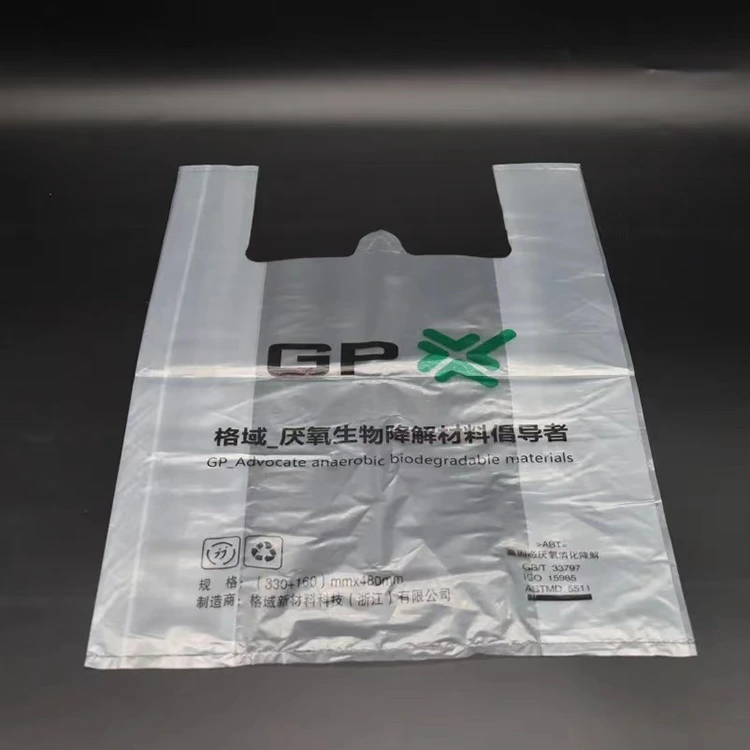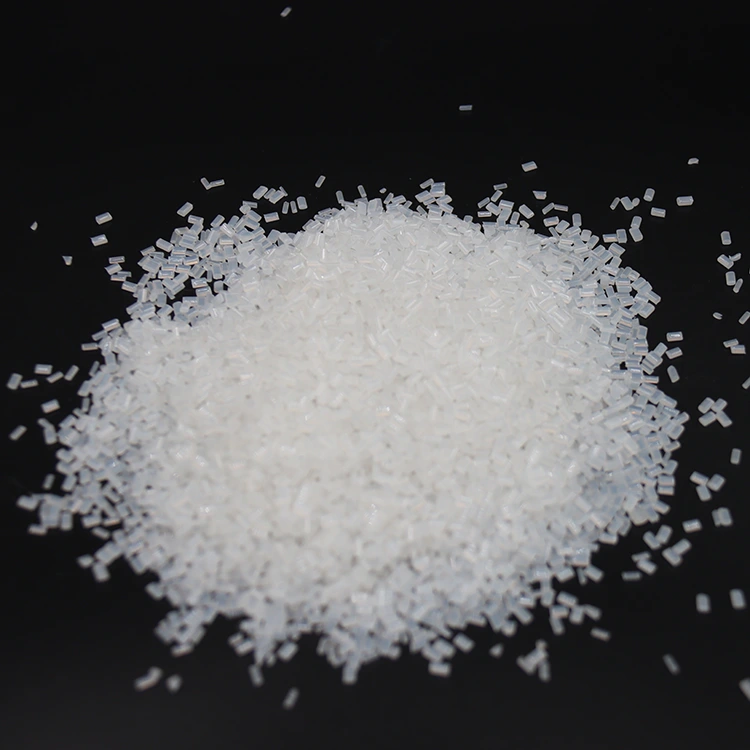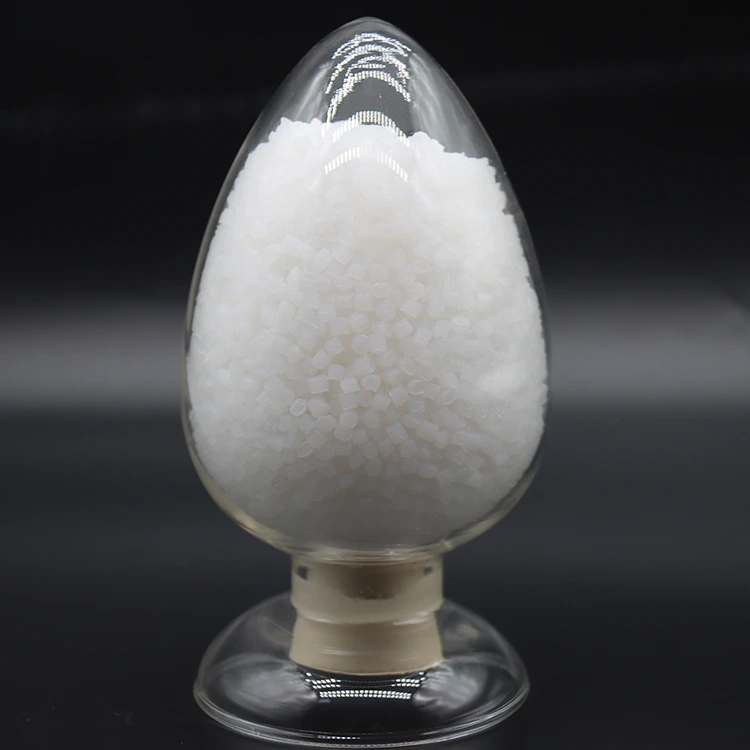
The future of plastic reduction depends on more than using fewer bags. Biodegradable Plastic Bag Material is gaining attention as packaging industries explore ways to reduce persistent plastic waste while maintaining the practical functions of everyday bags.
Plastic bags remain widely used in retail, food packaging, agriculture, and express delivery because they are lightweight, flexible, and economical to produce. Their short service life, however, can create a disproportionate waste management challenge. Many bags are difficult to collect and recycle efficiently, particularly when contaminated with food or mixed with other waste.
In 2026, packaging policy is placing greater emphasis on reducing unnecessary materials, improving recyclability, and managing packaging throughout its lifecycle. The European Union's Packaging and Packaging Waste Regulation began applying on August 12, 2026, reinforcing the shift toward waste prevention and circular packaging systems. These developments are encouraging broader discussions about where biodegradable materials can contribute to plastic reduction.
Replacing conventional plastic with another material does not automatically reduce environmental impact. The result depends on how much material is used, how long the product remains useful, and what happens after disposal.
For example, reducing bag thickness can lower plastic consumption, provided the bag still performs its intended function. Reusable packaging can reduce demand for disposable products when it is used repeatedly. Recycling can recover material value, while biodegradable alternatives may offer additional options for selected applications.
These approaches address different parts of the waste problem.
| Plastic Reduction Approach | Main Objective | Key Consideration |
|---|---|---|
| Lightweight design | Reduce material consumption | Maintain bag strength |
| Reuse systems | Reduce demand for new bags | Achieve repeated use |
| Recycling | Recover plastic for further use | Collection and sorting capacity |
| Biodegradable materials | Enable biological breakdown under suitable conditions | Match material properties to disposal environments |
No single approach fits every application. Effective plastic reduction depends on selecting materials and waste management methods that work together.
Biodegradable plastic materials are designed to undergo biological breakdown under specified environmental conditions. Depending on their composition, they may be suitable for particular packaging applications where conventional plastic waste is difficult to manage.
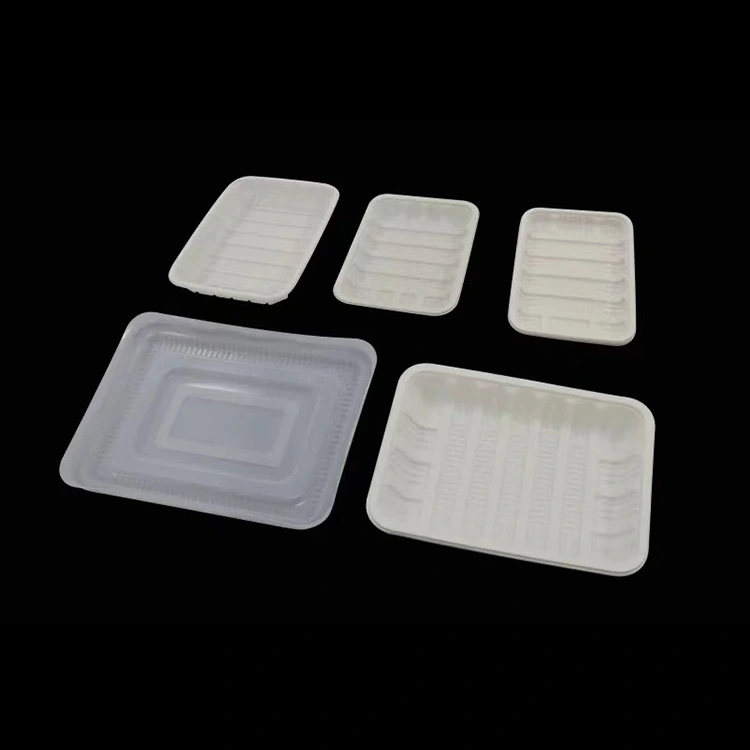
Potential uses include shopping bags, garbage bags, express packaging, and agricultural films. Each application has different requirements for tear resistance, flexibility, moisture resistance, and storage stability.
The development of Biodegradable Plastic Bag Material therefore involves two connected challenges: maintaining the performance needed during use and establishing a suitable end-of-life pathway.
A bag must remain functional during transport and storage, yet its environmental performance cannot be judged by appearance or material labeling alone. Biodegradation depends on factors such as temperature, moisture, microbial activity, oxygen availability, and exposure time.
Biodegradability and compostability are related but distinct concepts. Biodegradable materials break down through biological processes under suitable conditions. Compostable materials must meet additional requirements associated with a defined composting environment and applicable standards.
A material designed for industrial composting may not behave the same way in a landfill, soil, freshwater, or the marine environment. Likewise, a biodegradable bag should not automatically be placed in a conventional recycling stream, because its compatibility depends on the material and local recycling system.
Clear identification of the intended disposal environment is therefore essential to evaluating the practical contribution of biodegradable packaging.
One area of material development focuses on anaerobic biodegradation, which examines biological breakdown in environments with limited oxygen. Such conditions can occur in certain waste treatment systems and landfill settings, although the actual conditions vary considerably.
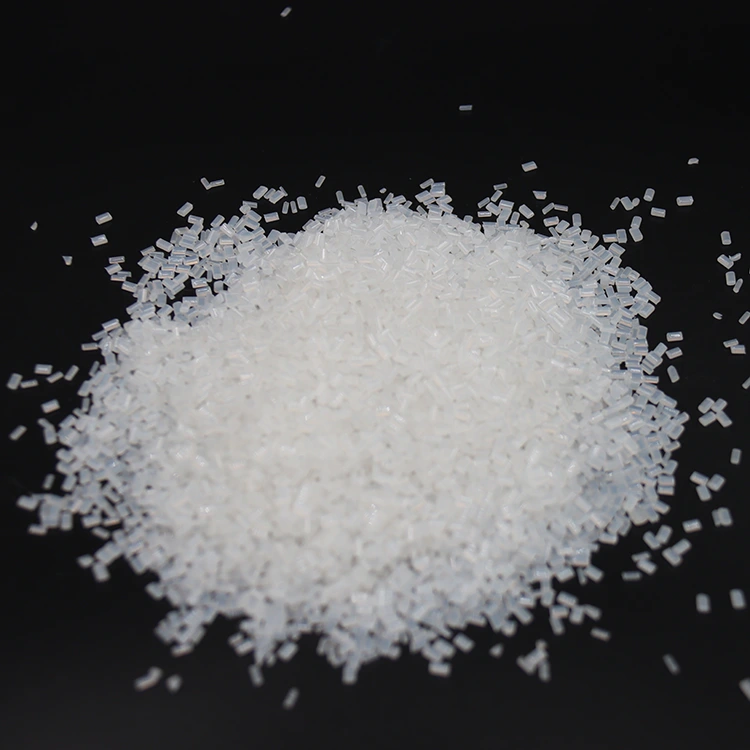
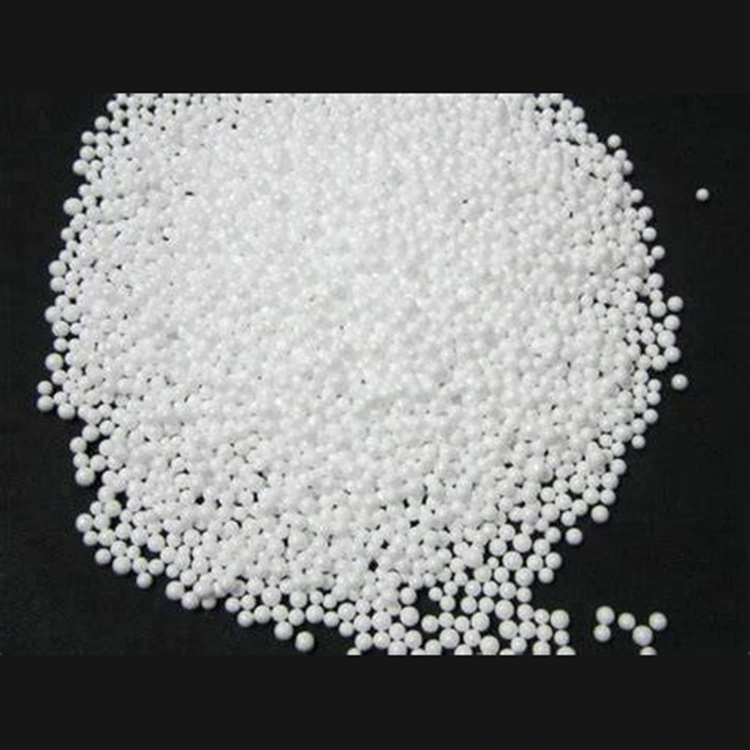
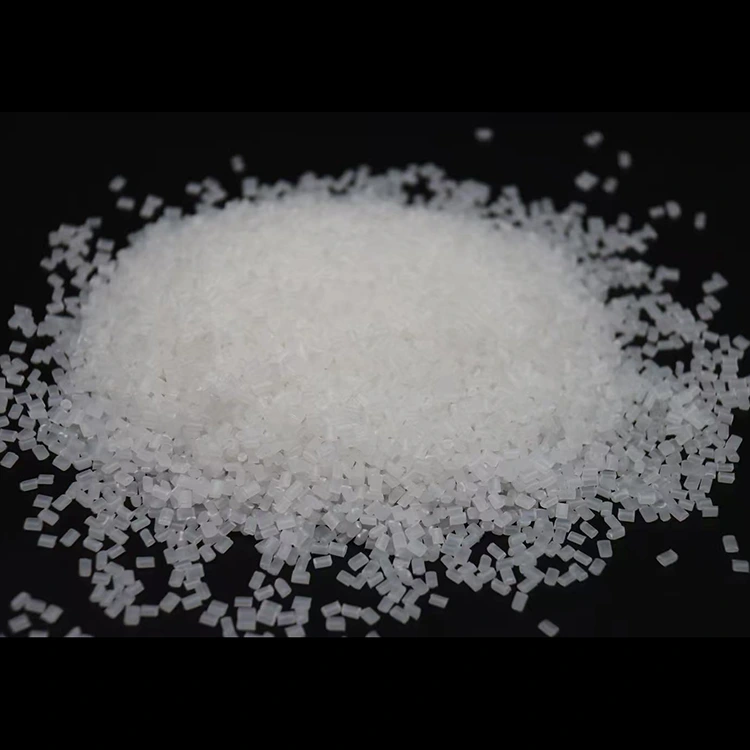
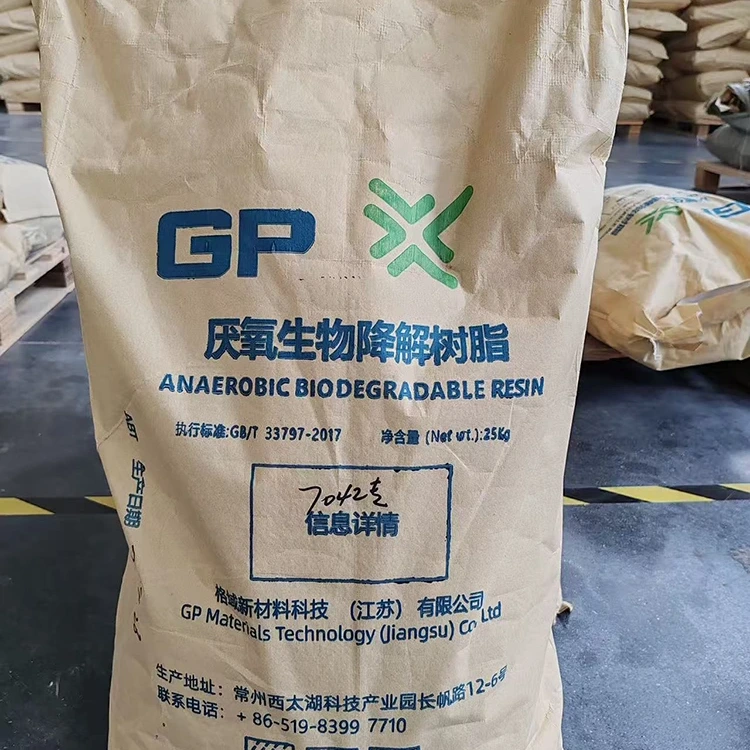
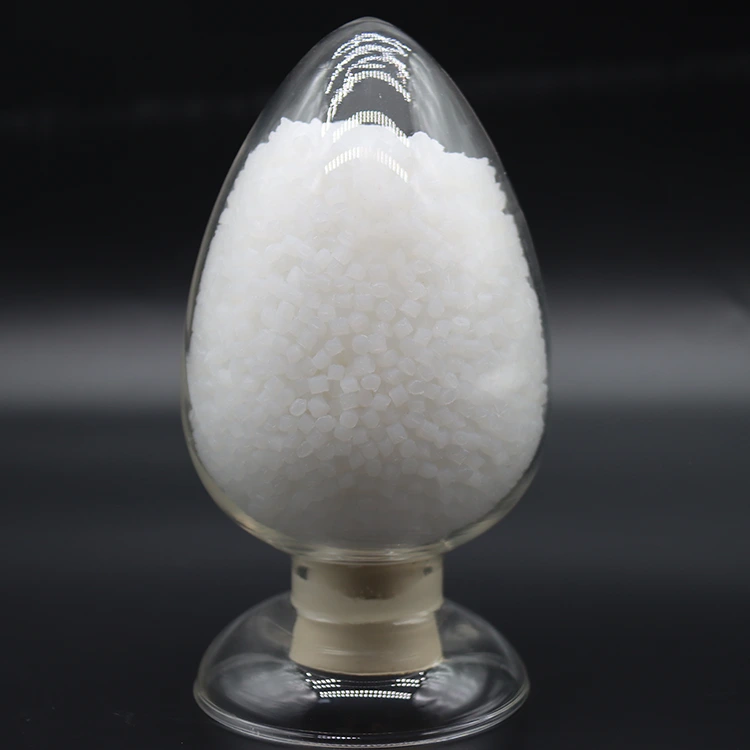
GP Materials Technology (Jiangsu) Co., Ltd., based in Changzhou, Jiangsu Province, focuses on research and industrial development of anaerobic biodegradable resin particles. Its material portfolio covers polymer bases including PP, PE, HDPE, LDPE, LLDPE, PVC, PET, and PA.
The company operates a facility covering approximately 17,500 square meters and has completed the first phase of construction, with an annual production capacity of 50,000 tons of intermediates. Its joint laboratory with East China University of Science and Technology supports research connecting material development with industrial applications.
This type of research reflects an important direction in polymer technology: exploring how existing material systems can be adapted to address waste management challenges without losing the processing characteristics required for practical production.
However, the environmental value of any anaerobic biodegradable resin must be assessed through evidence specific to its formulation and intended disposal conditions. Results from one polymer system or test environment cannot automatically be applied to every product made from that material.
Three factors will strongly influence the role of biodegradable bags in future plastic reduction.
Performance and production economics remain central. Packaging materials must meet application requirements while supporting consistent processing and commercially practical production volumes.
Waste management infrastructure is equally important. If a region lacks suitable collection or treatment facilities, the intended environmental benefits of a biodegradable product may not be fully realized.
Testing and environmental claims also matter. Transparent biodegradation data, relevant standards, and clearly defined test conditions help distinguish demonstrated performance from general environmental claims. The European Commission's policy framework on biobased, biodegradable, and compostable plastics similarly emphasizes that these material categories have different characteristics and appropriate uses.
Biodegradable materials are not a universal replacement for conventional plastics, nor do they remove the need to reduce unnecessary packaging. Their role is more specific: providing additional material options for applications where the performance requirements and end-of-life conditions make them appropriate.
Future progress will depend on combining material innovation with lightweight design, reuse, recycling, and better waste treatment. This broader approach offers a more realistic route to reducing plastic waste than relying on any single technology.
Research into Biodegradable Plastic Bag Material and anaerobic biodegradable resin particles, including the work conducted by GP Materials Technology (Jiangsu) Co., Ltd., forms part of this wider industry effort. The key measure of progress will be whether these materials deliver verified environmental benefits under real application and disposal conditions while continuing to meet the practical demands of everyday packaging.
-