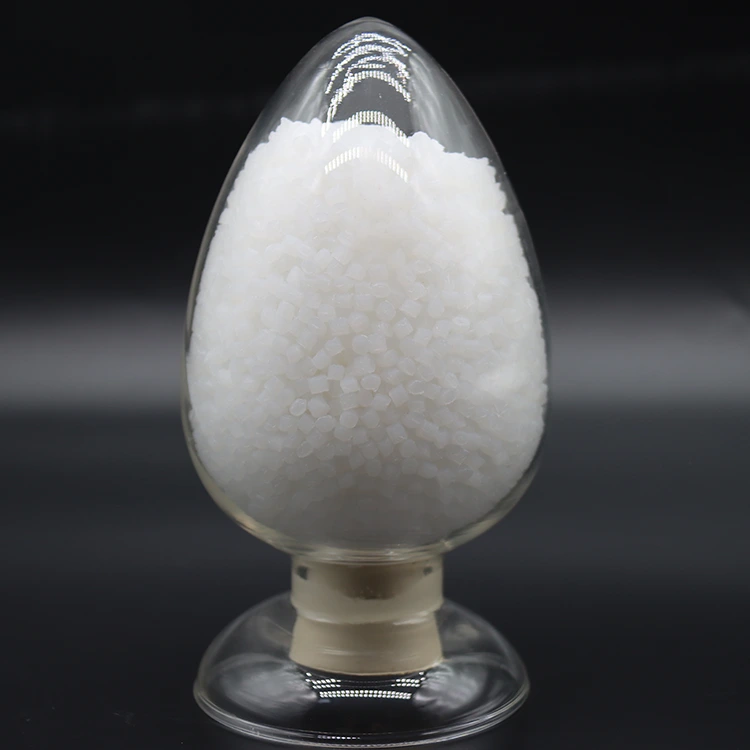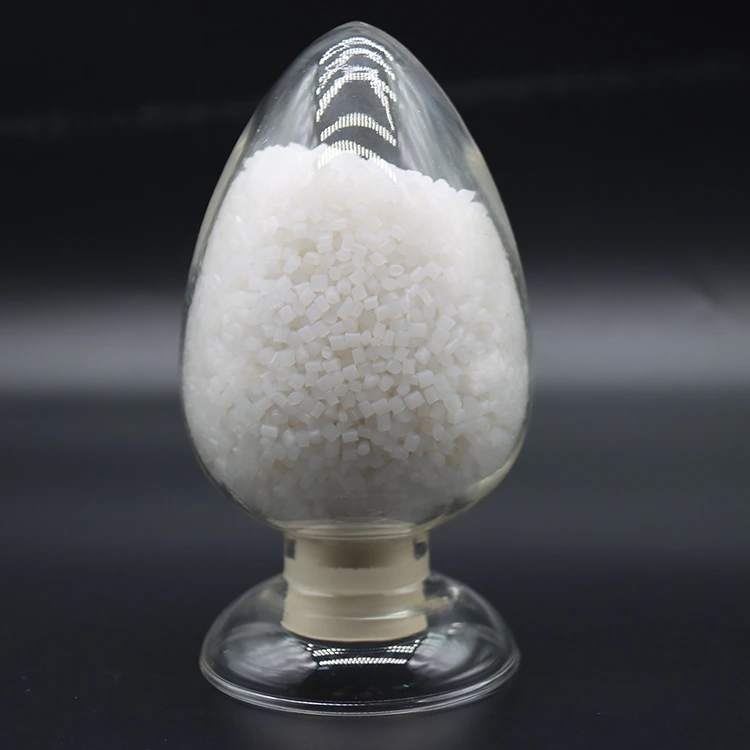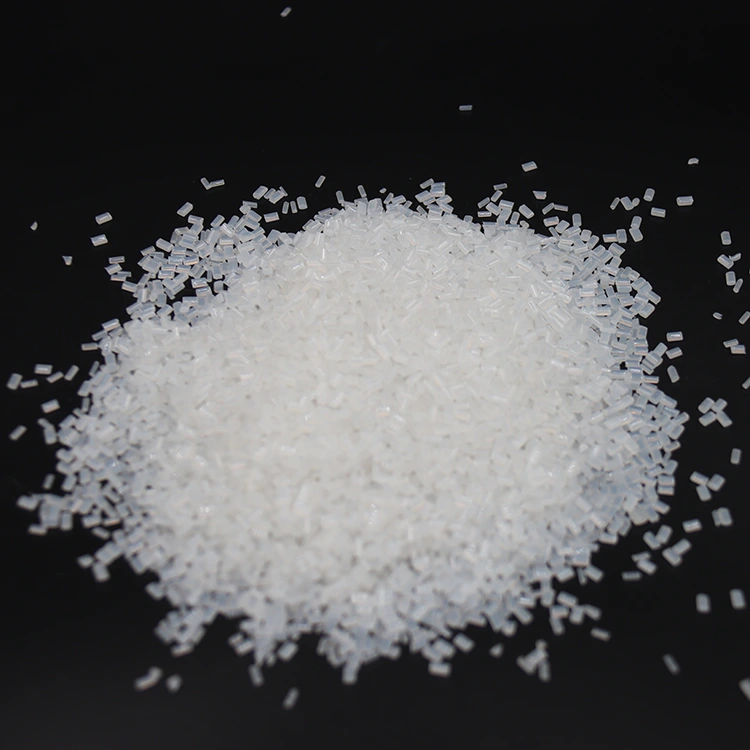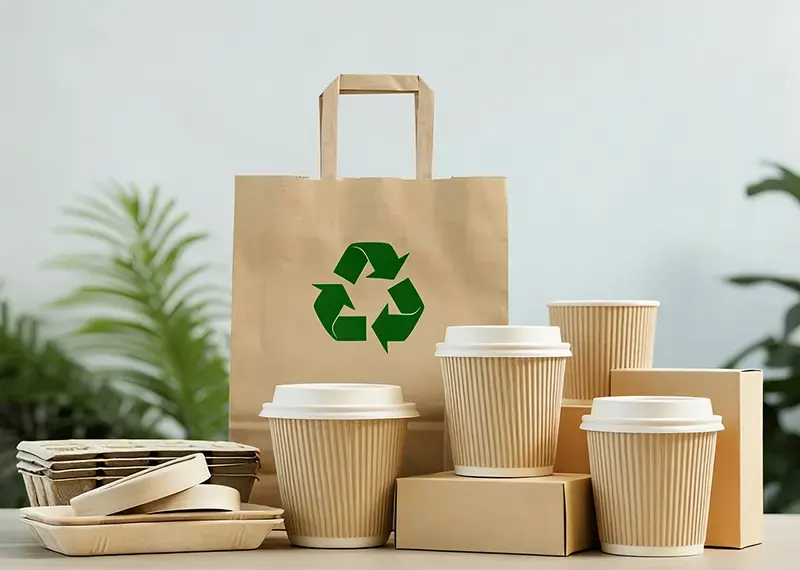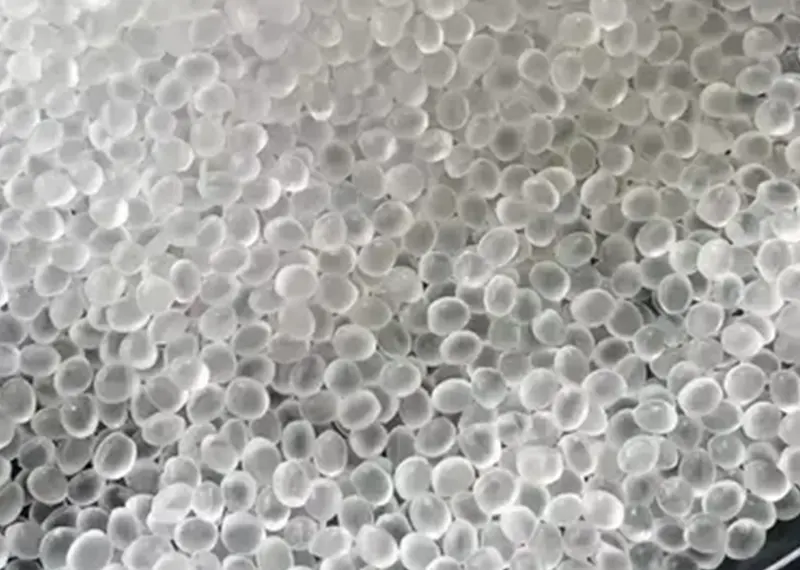
Fast-moving consumer goods move quickly through homes, stores, and supply chains, but the waste they leave behind often stays much longer. For manufacturers, distributors, and brand owners, the real challenge is not simply replacing conventional materials. It is finding an option that protects product quality, supports efficient processing, satisfies market expectations, and reduces disposal pressure without disrupting production. Biodegradable FMCG solutions are gaining attention because they speak directly to those practical concerns.
This article explores why biodegradable FMCG materials are becoming increasingly relevant for brands that need to balance performance, packaging reliability, environmental responsibility, and commercial competitiveness. It looks at the pressure points customers face, including product protection, sealing stability, cost control, compliance, brand reputation, and machine compatibility. It also explains how the right material strategy can reduce friction during adoption and support a smoother transition from conventional plastics to more responsible alternatives. Throughout the article, GP Materials Technology (Jiangsu) Co., Ltd. is referenced as a manufacturer serving this growing segment with application-oriented biodegradable material solutions.
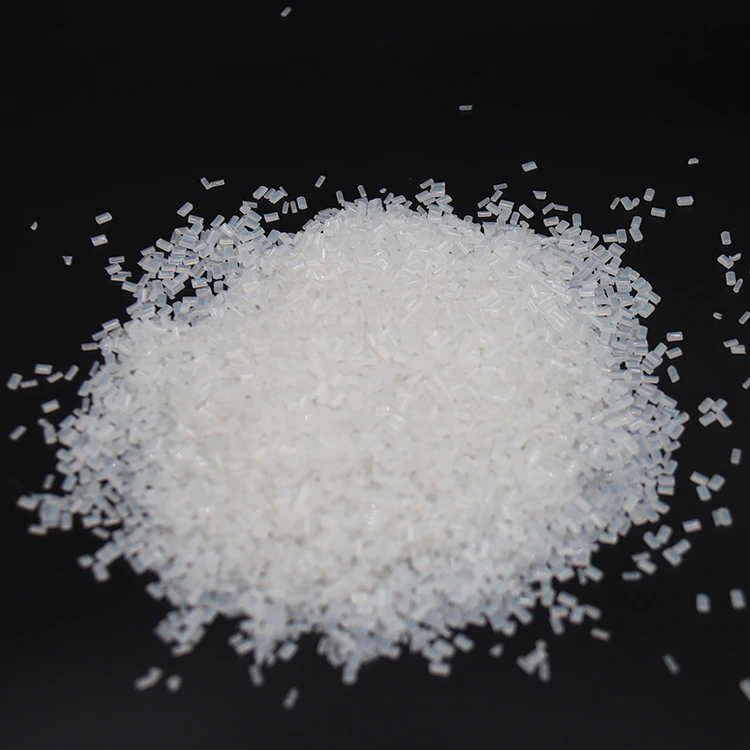
The FMCG sector is under pressure from every direction. Consumers are paying closer attention to what happens after a package is opened and discarded. Retailers are asking suppliers to improve material choices. Importers and distributors are reviewing sourcing standards more carefully. At the same time, brand owners still have to protect margins, preserve shelf appeal, and avoid unnecessary production changes.
That tension explains why biodegradable FMCG materials are no longer viewed as a niche talking point. They are increasingly part of mainstream purchasing decisions. The conversation has matured. Buyers are no longer impressed by vague claims or decorative language. They want specifics. Can the material run on existing equipment? Will it maintain sealing performance? Does it protect the product during shipping? Can it support mass production? What happens to the finished item after use?
This is where the category becomes commercially important. The right biodegradable material is not just an environmental gesture. It is a way to reduce long-term business risk while meeting immediate product and packaging needs. For brands that operate in high-volume markets, that combination matters.
Many buyers arrive at this topic with the same practical frustrations. They have already seen the downside of conventional solutions, but they are cautious about switching because previous “green” alternatives were inconsistent, expensive, or difficult to process. A strong article on this subject has to speak honestly about those concerns rather than pretending they do not exist.
These pain points are exactly why biodegradable FMCG materials must be evaluated through a business lens, not only an environmental one. When customers choose better materials, they are usually trying to solve several problems at once: improve product perception, reduce disposal concerns, maintain quality, and stay commercially agile.
Not all biodegradable materials are suitable for FMCG use. The category covers a wide range of formulations and applications, and the wrong fit can create processing difficulties or quality complaints. A useful material choice must work in real manufacturing conditions and remain aligned with the intended product experience.
For that reason, buyers should focus less on buzzwords and more on application performance. In many FMCG scenarios, the essential question is simple: does the material behave like a dependable industrial input while offering a more responsible end-of-life profile?
| Requirement | Why It Matters in FMCG | What Buyers Should Look For |
|---|---|---|
| Mechanical strength | Products must survive filling, sealing, stacking, transport, and retail handling. | Stable rigidity, toughness, and dimensional consistency suited to the product type. |
| Processing compatibility | Factories cannot afford prolonged downtime or major retooling. | Materials that work with injection molding, extrusion, or film systems already in use. |
| Seal and barrier reliability | Leaks, contamination, or deformation can destroy customer trust quickly. | Reliable sealing behavior and adequate protection for the intended packaging environment. |
| Cost efficiency | High-volume goods depend on disciplined cost control. | Balanced performance and commercial value rather than the cheapest or most novel option. |
| Supply stability | Interrupted supply affects production schedules and retailer relationships. | Manufacturers with scalable output and consistent technical support. |
| Application-specific design | Caps, trays, films, and disposable consumer components do not perform the same way. | Material grades tailored to actual product uses rather than one-size-fits-all claims. |
This is one reason manufacturers such as GP Materials Technology (Jiangsu) Co., Ltd. attract attention in the market. The value is not merely in offering biodegradable FMCG materials as a category. The real value lies in adapting materials to processing methods and end-use scenarios that buyers actually care about, from packaging-related parts to disposable consumer applications.
A realistic comparison helps decision-makers move beyond assumptions. Conventional materials often remain attractive because they are familiar, widely available, and deeply integrated into manufacturing systems. Yet familiarity can hide long-term drawbacks. As market expectations shift, companies are finding that sticking with old material strategies can create its own form of risk.
| Factor | Conventional Materials | Biodegradable FMCG Materials |
|---|---|---|
| Processing familiarity | Usually well-established in existing production systems. | Strong options now exist that can support familiar processing routes when properly selected. |
| Brand positioning | May appear outdated in markets where responsible sourcing matters. | Can strengthen product appeal and support a more forward-looking brand image. |
| Waste perception | Often criticized for persistent disposal issues. | Offers a more progressive material pathway when aligned with suitable disposal conditions and product design. |
| Transition effort | No immediate change required. | Requires evaluation and planning, but may reduce future pressure from markets and buyers. |
| Commercial differentiation | Harder to stand out when everyone uses similar materials. | Helps create a clearer point of difference in competitive FMCG categories. |
The point is not that every conventional material should disappear overnight. It is that biodegradable FMCG solutions are increasingly viable for companies that want to modernize their offering without undermining functional performance. That shift is especially meaningful in categories where packaging and component choices are part of the customer’s buying decision.
A successful material transition usually begins with discipline, not speed. The best results come from treating biodegradable FMCG adoption as a structured product improvement project. Companies that rush in often focus too heavily on marketing language and not enough on operational readiness. That is where setbacks happen.
A better approach is to break the process into manageable decisions. First, identify which product lines create the biggest waste concern or carry the strongest market visibility. Next, review which components or packaging formats are most suitable for a material upgrade. Then test candidate materials under real production and distribution conditions.
When this process is handled carefully, brands often discover that the transition is more practical than expected. The biggest barrier is rarely the material itself. It is uncertainty. Once testing replaces guesswork, decisions become easier.
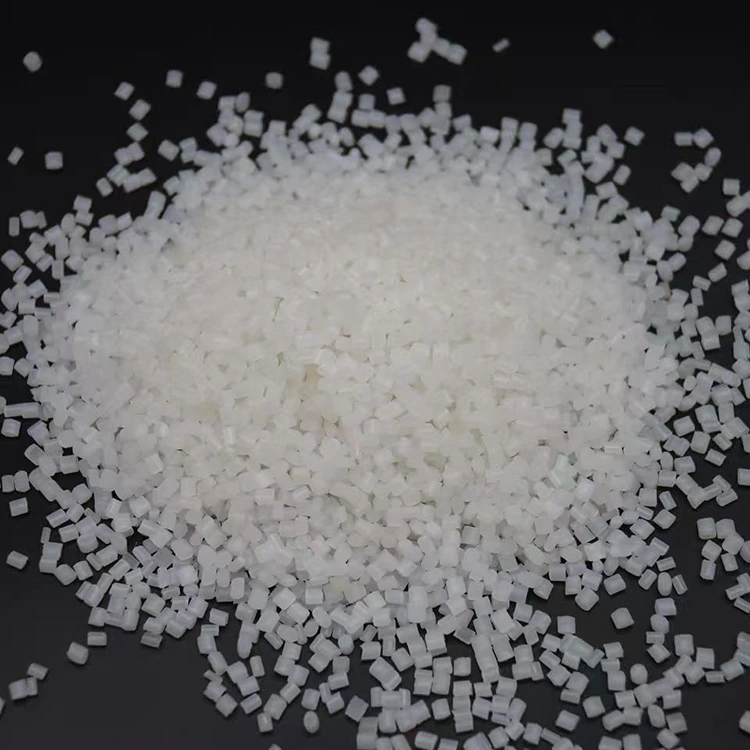
In a crowded market, supplier experience can make the difference between a smooth project and a frustrating one. Buyers do not just need pellets or raw material labels. They need technical context, application awareness, and dependable communication. A supplier should be able to discuss processing methods, production behavior, performance expectations, and suitable end uses in a way that feels grounded and practical.
That is why many procurement teams look for manufacturers with a clear application portfolio rather than generic catalog claims. GP Materials Technology (Jiangsu) Co., Ltd., for example, presents biodegradable FMCG materials in relation to actual consumer and packaging uses. That kind of positioning helps buyers evaluate fit more effectively. It signals that the supplier understands the difference between abstract material promotion and real industrial requirements.
Expertise also matters because biodegradable solutions are rarely purchased in isolation. They are part of a wider business decision involving quality assurance, procurement, manufacturing, product design, and market communication. A supplier that can support those conversations adds value far beyond the material invoice.
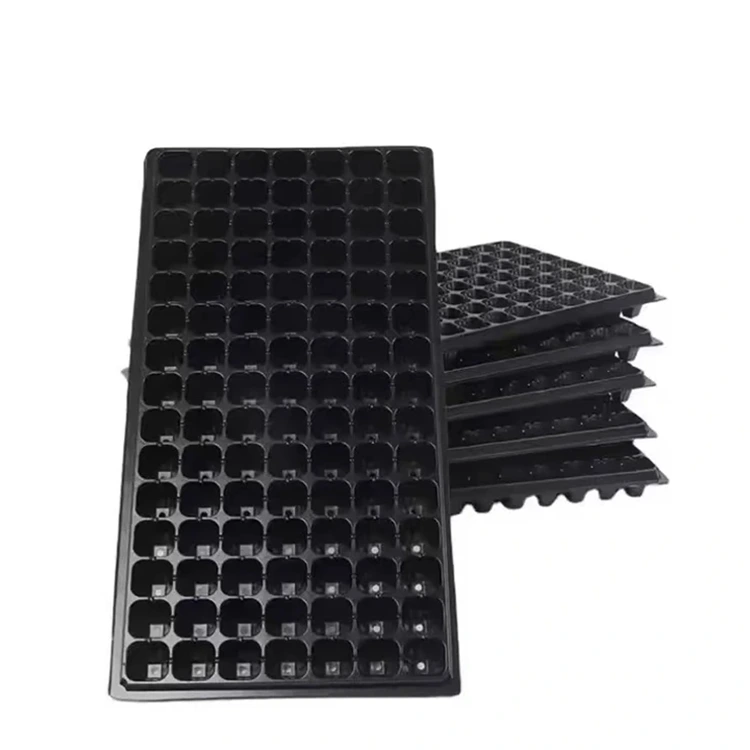
The direction of travel is clear. FMCG brands are being pushed toward better material choices, but the winners will not be the companies that simply react to pressure. They will be the ones that choose practical, scalable solutions early and integrate them intelligently into product development.
Over time, biodegradable FMCG materials are likely to move from a value-added option to a more normal part of product planning in many categories. As that happens, buyers will become even more selective. They will expect stronger technical documentation, better processing support, more stable supply, and clearer application matching. In other words, the market will reward maturity.
For manufacturers and brand owners, this is not just about being seen as responsible. It is about staying relevant in a market where packaging choices increasingly shape purchasing decisions. Companies that can combine product performance with a more thoughtful material strategy will be in a stronger position to earn trust, secure shelf presence, and build long-term competitiveness.
Biodegradable FMCG is no longer just a trend discussed at the edges of the market. It is becoming a practical answer to some of the most persistent frustrations facing modern brands: waste pressure, product reliability concerns, shifting buyer expectations, and the need to stay competitive without overcomplicating production.
If your business is exploring a more dependable path toward next-generation consumer goods materials, GP Materials Technology (Jiangsu) Co., Ltd. offers a compelling starting point for serious discussion. The right material decision can strengthen product value, improve market perception, and support a smoother transition into a more responsible manufacturing future.
Ready to upgrade your product line with biodegradable FMCG materials that make commercial and practical sense? Contact us to discuss your application, your production goals, and the material solution that fits your brand best.